Solid Wood or Veneer: The True 5-Year Cost of a Console Table in Singapore
In Singapore, where space is a premium and homes are built for efficiency, every furnishing decision carries weight. A console table, often placed in narrow hallways, living rooms, or entryways, serves both a functional and aesthetic purpose. It holds keys, displays decor, and defines a space. But when standing in a showroom or browsing online, a critical question arises: veneer or solid wood? The initial price tag tells only part of the story. To understand the real cost over a typical five-year ownership period—one that includes wear, potential repairs, and even replacement—we need to look deeper at materials, construction, and the realities of life in Singapore's HDB flats and condominiums.

Understanding the Materials: Solid Wood vs. Veneer
Solid wood, as the name implies, is crafted from a single piece of lumber or solid wood planks joined together. For a console table, this might be solid oak, mango wood, or walnut. The beauty of solid wood lies in its natural grain, its ability to be sanded and refinished multiple times, and its inherent durability. A well-made solid wood console table is a piece of furniture that can potentially last for generations. Its weight is a tangible indicator of its quality; a solid wood console table for a Singaporean home might weigh between 18 kg and 25 kg, reflecting its dense, solid construction.
Veneer, on the other hand, is a thin layer of real wood (often just 0.6mm thick) applied over a core substrate, which is typically a less expensive material like Medium-Density Fibreboard (MDF), particleboard, or plywood. This core provides the shape and structure, while the veneer layer provides the appearance of solid wood. Veneer furniture is lighter, often weighing between 12 kg and 18 kg for a similar-sized console table. It is designed to mimic the look of solid wood at a lower initial cost point. However, the long-term behaviour of these two materials under Singapore's climate—characterised by high humidity and temperature fluctuations—is markedly different.

The 5-Year Financial Breakdown: A Singaporean Perspective
To put this into perspective, let's construct a hypothetical scenario based on common Singaporean living conditions. We will compare two console tables of similar style and dimensions: one made of solid wood and one made with a wood veneer finish. Both are 120 cm long, 40 cm deep, and 75 cm high, a suitable size for most HDB corridor spaces or condo living rooms.
Initial Purchase Price (SGD)
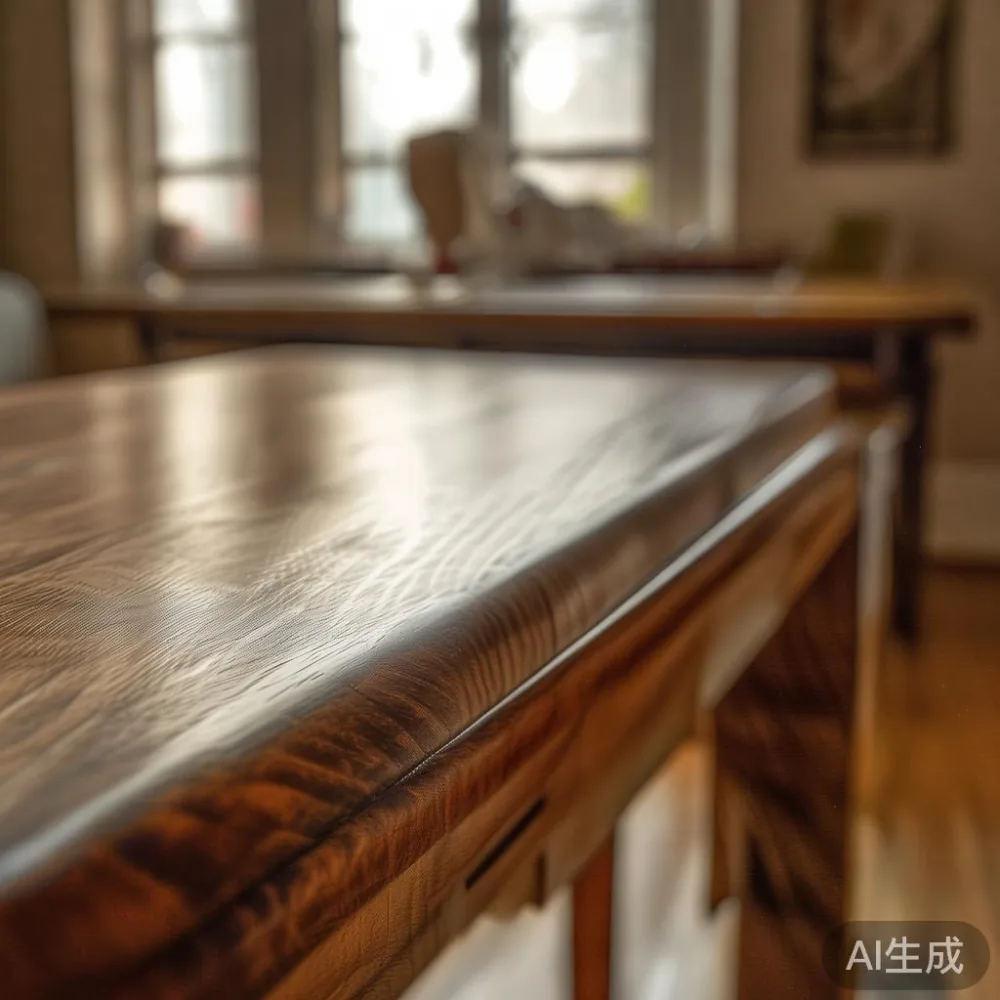
A solid wood console table from a reputable maker like MIDHILL, known for its 10-year structural warranty, would typically start around SGD 980. This price reflects the quality of the raw material and the skilled labour involved in its construction. In contrast, a veneer console table of similar dimensions and style from a local furniture retailer might be priced around SGD 480. The initial savings with veneer are clear, but this is just the beginning of the financial story.
Year 1-2: The honeymoon phase
Both tables will likely look beautiful in their first two years. The veneer table, in particular, might impress with its flawless, uniform finish. However, the Singaporean environment begins to exert its influence. The high humidity levels can cause the MDF or particleboard core of the veneer table to absorb moisture. This may lead to subtle swelling at the edges or joints. A solid wood table, being a natural material, will acclimate to the humidity, expanding and contracting slightly without structural damage. This natural movement is a sign of a well-made piece.
Year 3: The first signs of wear and tear
This is where the paths begin to diverge significantly. The veneer on the cheaper table is more susceptible to damage. A small, accidental knock with a vacuum cleaner or a heavy handbag can cause the thin layer of wood to chip or peel away, revealing the unsightly MDF core underneath. Repairing such damage is difficult and often expensive, as it requires a skilled craftsman to patch the veneer, a process that can cost SGD 150 to SGD 250 for a small repair and may not be smooth. The solid wood console table, however, will show only minor signs of use. A light scratch can be buffed out, and the natural patina it develops adds character.
Year 4-5: The cost of replacement vs. refinishing
By the five-year mark, the veneer console table is often showing its age. The finish may have dulled, the edges could be worn, and the joints might feel loose. The core material, weakened by years of humidity stress, could begin to sag or warp. At this point, the owner is faced with a choice: invest in a major repair or replace the entire piece. A full restoration of a damaged veneer table can cost upwards of SGD 400, approaching the price of a new, low-end table. More often than not, the more economical decision is simply to buy a new one. The total cost of ownership over five years would be the initial SGD 480 plus the cost of a replacement table, bringing the total to around SGD 960.
The solid wood console table tells a different story. While it may have a few more noticeable scratches from daily use, its structure remains sound. It has been protected by a durable, multi-layered finish. The real advantage emerges here: refinishing. A solid wood table can be sanded down and refinished to look brand new. This process, which can be done professionally for approximately SGD 300 to SGD 450, in effect resets the table's aesthetic life. Over five years, the total cost of the solid wood option is the initial SGD 980, with no major repairs needed. This makes it the more economically sound choice in the long run.
Is a Solid Wood Console Table Too Heavy for My Singapore Home?
This is a very practical question for anyone living in a Singapore HDB flat or condominium. The weight of furniture is a genuine concern, especially when working through narrow corridors and lift landings. A solid wood console table, weighing 20 kg, is certainly heavier than its veneer counterpart. However, the difference is often less dramatic than one might think.
Modern Singaporean homes, whether in Tampines, Bedok, or Punggol, are designed with standardised doorways and corridor widths. A typical HDB corridor is about 1.2 metres wide, more than enough space for two people to carry a console table lengthwise. The standard lift dimensions in most HDB estates can accommodate furniture of this size and weight. The key is not the weight alone, but the distribution of that weight and the care taken during moving. Professional furniture delivery services in Singapore are well-versed in handling heavier items. They use specialised equipment and manpower to work through staircases and lifts safely. For a solid wood console table, the delivery might take one day longer than for a veneer piece due to its weight, but the process is entirely manageable. The peace of mind that comes with owning a sturdier, more durable piece often outweighs the minor logistical challenge of moving it.
A Real-World Test: My Colleague's Experience
My colleague, Sarah, who lives in a Bedok HDB flat, provided a perfect real-world case study. Five years ago, she furnished her entryway with two identical-looking console tables: one solid wood and one veneer. Both were placed in similar spots, receiving equal amounts of sunlight and foot traffic. Last month, I visited her home to see how they had held up.
The veneer console table, which cost her SGD 450, showed clear signs of decline. The finish had a hazy, worn appearance, and a small section of the veneer on a corner had peeled away after a minor bump. The table felt slightly unstable when touched. Sarah admitted she was already planning to replace it, estimating the cost of a new one at another SGD 500.
The solid wood console table, an investment of SGD 1,200, looked remarkably well-preserved. It had a few light scratches, which Sarah said were easily buffed out with a wood conditioner. The structure was rock-solid, and the rich, deep colour of the wood had actually become more appealing with age. She had no plans to replace it and was confident it would last another decade or more with minimal upkeep. Her total cost for the veneer option over five years was SGD 950 (purchase plus replacement), while her solid wood console table cost her SGD 1,200 with zero replacement needed. The difference in her satisfaction was palpable.
Why Material Choice Matters for Your Console Table
Your console table is more than just a piece of furniture; it's an anchor for your entryway or living room. The material you choose impacts not just your wallet, but also the atmosphere of your home. Solid wood offers a sense of permanence and quality. It connects your living space to nature, bringing warmth and texture into a modern condo or HDB flat. The grain patterns are unique, meaning no two pieces are exactly alike, giving your home a personal touch.
Veneer, while attempting to replicate this look, often falls short. Over time, the artificial-looking uniformity of the printed grain can become apparent. As the finish wears, the table can begin to look dated and cheap, detracting from the aesthetic of your home. In a light luxury interior, where the goal is understated elegance and quality, a veneer console table can undermine the entire design concept. A solid wood piece, on the other hand, ages gracefully, developing a rich patina that enhances its beauty and complements other light luxury furniture like a solid wood sofa or a marble-topped coffee table.
Making the Right Choice for Your Singapore Home
When choosing a console table, consider your lifestyle and the environment. If you value longevity, quality craftsmanship, and a piece that can be refinished to match your changing decor, solid wood is the superior investment. The higher initial cost is offset by its lifespan and the ability to avoid the recurring expense of replacement. The 10-year structural warranty offered by makers like MIDHILL provides further assurance, protecting your investment against manufacturing defects.
For those on a very tight budget who are willing to replace furniture more frequently, veneer might seem like a viable option. However, the hidden costs of repairs and the eventual replacement often erase the initial savings. In the humid climate of Singapore, the longevity of veneer is particularly compromised. A console table is a focal point in your home. Choosing a well-made solid wood version is an investment in the beauty, function, and value of your living space for years to come.