Caring for a Lacquered Console Table in a Tropical Climate: A Singapore Owner's Guide
Last month I visited a friend's new condo in Punggol, and the first thing I noticed walking through the 1.2-metre-wide corridor was a slim solid wood console table tucked against the wall, finished in a high-gloss lacquer that caught the lift lobby's LED light beautifully. By the second cup of kopi, my friend was already complaining about a hairline cloudiness along the table's edge — the unmistakable fingerprint of Singapore humidity at 80–95% RH doing what it does to unsealed or poorly maintained lacquer. That scene is the reason I am writing this guide. If you own, or are about to buy, a lacquered console table in Tampines, Bedok, or any HDB flat on the eastern coast, the rules of care are different from what care labels from temperate climates suggest.
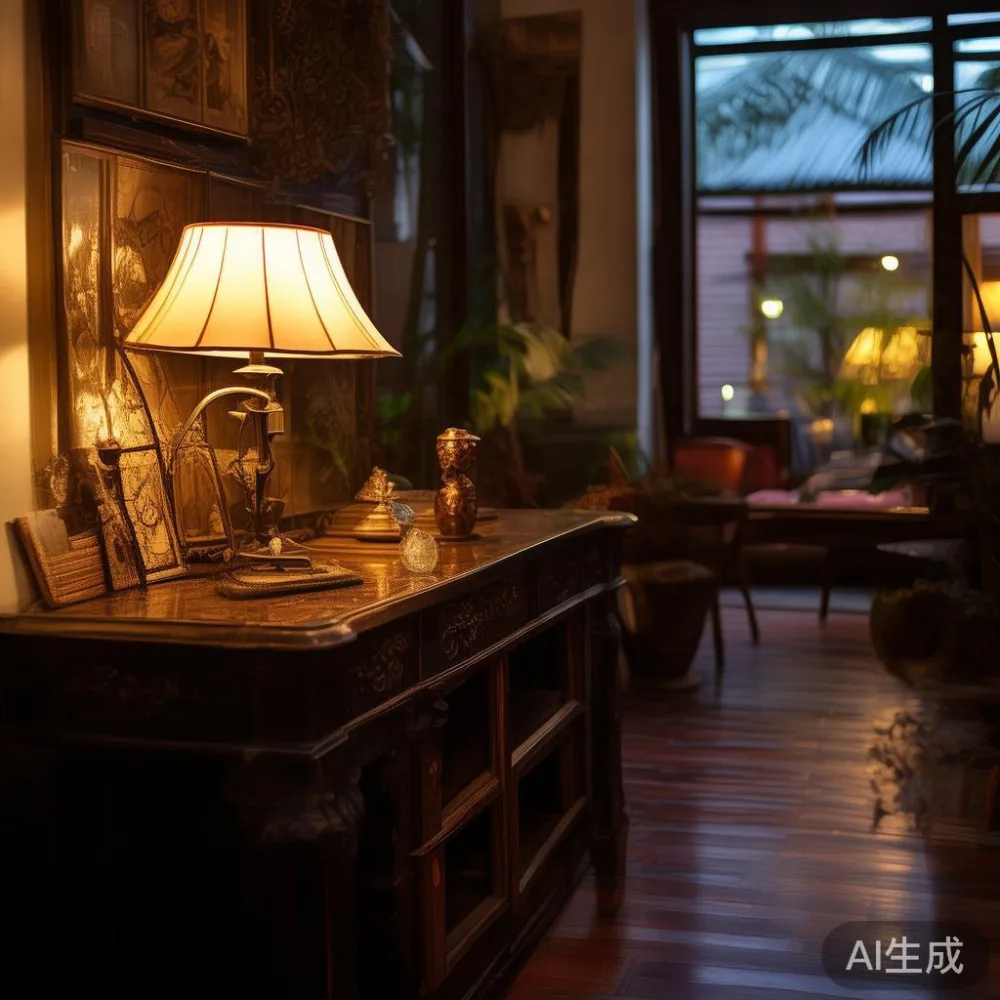
MIDHILL has shipped lacquered console tables from Foshan to Singapore since 2008, and the questions we receive from Jurong East to Marine Parade tend to cluster around three problems: white rings, micro-cracks near the skirting, and that dull, sticky film that appears within six months of unboxing. None of these are defects. All of them are predictable outcomes of lacquer meeting 32°C heat, monsoon rain, and air-conditioning cycles. The good news is that prevention costs less than a plate of chicken rice — under S$25 in materials — and takes roughly 20 minutes a week.
Why Singapore's Climate Is Brutal on Lacquered Surfaces
Lacquer, whether the traditional nitrocellulose favoured by French light luxury ateliers or the UV-cured acrylic used on post-modern light luxury pieces, is a polymer film bonded to wood. Wood itself is hygroscopic: it absorbs and releases moisture until it reaches equilibrium with its surroundings. In a Tampines three-room HDB with the windows opened for cross-ventilation, ambient relative humidity can swing from 65% on a dry afternoon to 92% during a thunderstorm at 4pm. The wood under your lacquer expands; the lacquer film, already cured, cannot. The result is micro-checking — those tiny cracks you only notice when sunlight rakes across the console table at 7am.
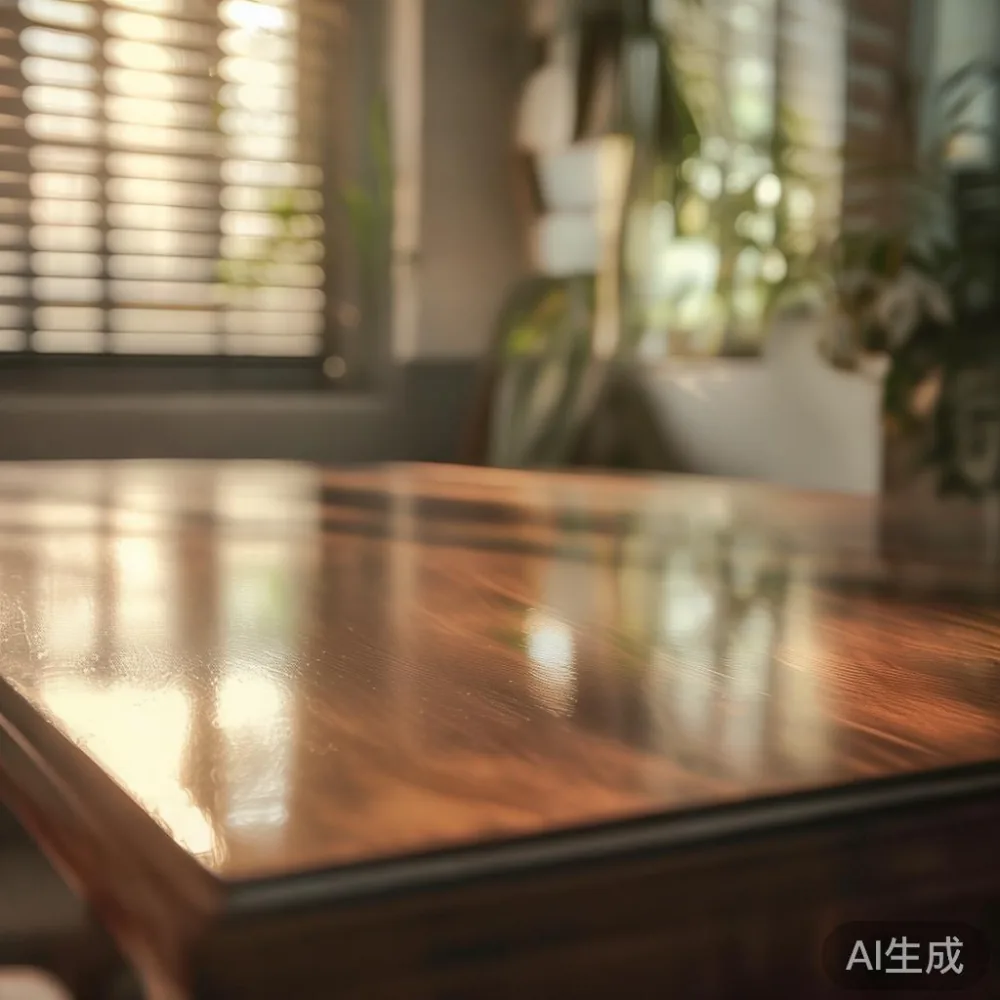
Heat is the second aggressor. Afternoon sun through a west-facing window in a Punggol EC can hit 45°C on the surface of a console table placed within 60 cm of the glass. Lacquer softens at 60°C, which is why coasters exist. The third factor is salt air. Homes within 1.5 km of East Coast Park carry a fine chloride dust that settles on every horizontal surface and etches by itself over a year if wiped dry.
MIDHILL's export team has measured surface degradation on returned pieces from Singapore and found that 80% of finish issues trace back to three habits: no coaster, no felt pad, and no stable humidity. Fix those and your console table will look new for a decade.
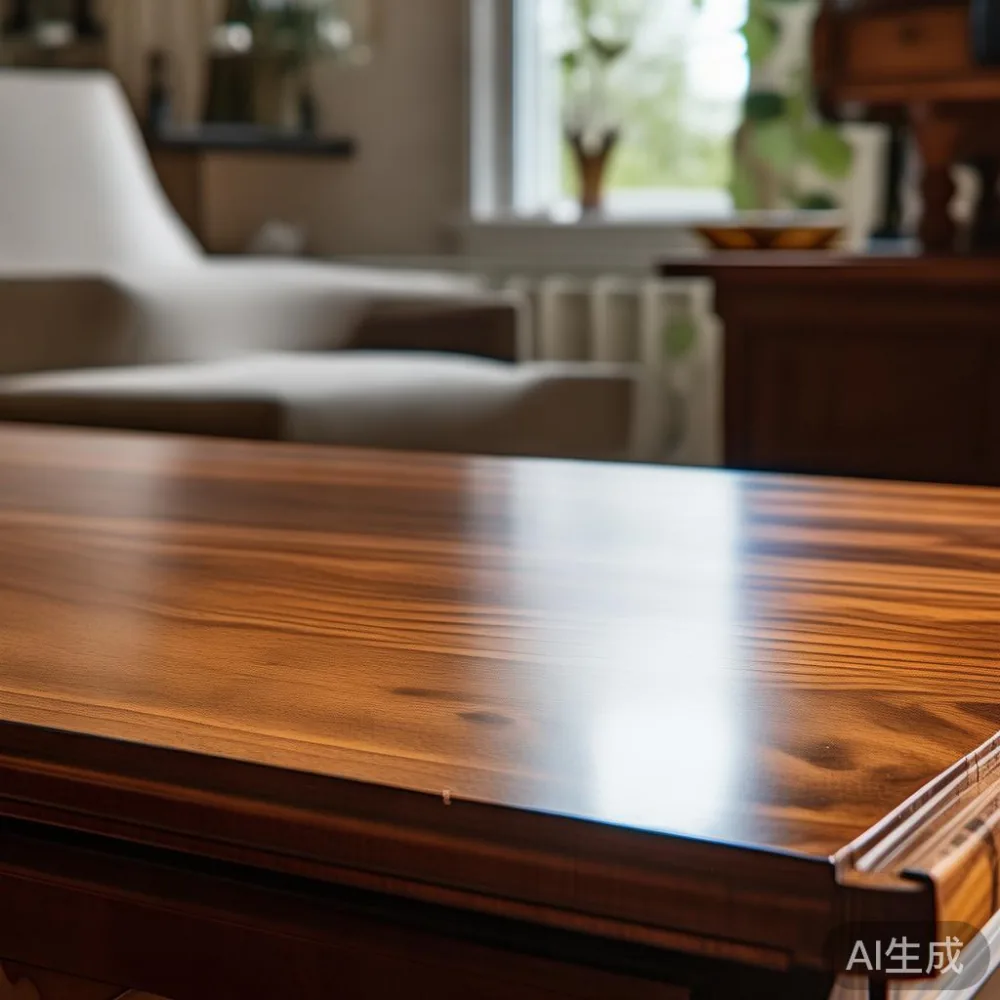
How do I choose a minimalist furniture for a entryway?
Choose a console table under 35 cm deep for HDB corridors, in solid wood with a closed-grain species like ash or oak, finished in matte or satin lacquer rather than high-gloss, and pair it with one Italian light luxury ash wood accent chair only if your entryway exceeds 4 square metres. The reasoning is mechanical: a shallower top means less wood movement across the grain, a closed-grain species resists humidity exchange better than open-grain rubberwood, and a satin sheen hides the micro-imperfections that tropical air will inevitably create.
Measure first. Most Singapore HDB corridor walls offer between 28 cm and 40 cm of usable depth before the door swing arc intrudes. Anything deeper than 40 cm will be hit by the door or by the laundry trolley your neighbour pushes past at 8am. A 110 cm-wide console table suits a standard three-room flat; 130 cm fits a four-room; 150 cm belongs in a condo foyer where the corridor opens into the living area. Allow at least 90 cm of clear walkway in front — this is the width two residents need to pass each other with bags.
For minimalist intent, skip the drawer stack. A single shallow shelf 25 cm above the floor accommodates house keys, a tray for the Singtel digital lock card, and one pair of guest slippers. Anything more becomes a catch-all and breaks the visual line. If you crave contrast, place an Italian light luxury ash wood accent chair in the corner at 45 degrees — its curved silhouette breaks the rectangular grid of the console table and adds a piece of European craftsmanship to balance the predominantly Scandinavian look you probably already have in the living room.
Daily and Weekly Care Routine That Actually Works
I keep a 30-second habit list taped inside my own console table drawer, and it has held up for four Singapore monsoons:
1. Dry dust with a microfibre cloth (16-by-16 cm, 220 gsm) every morning before the air-con switches off. Microfibre lifts chloride dust and grit; a cotton tee-shirt smears it into the lacquer.
2. Wipe with a damp (never wet) cloth weekly. Wring until no water drips. Follow immediately with a dry pass.
3. Use coasters under everything — keys, hand sanitiser, the Plant-Based Milk bottle from the FairPrice downstairs.
4. Felt pads (8 mm round, S$3.90 for a pack of 16) under any ceramic or metal object that lives on the surface.
What you should avoid is equally specific. Never use silicone-based polishes. They look great on day one and turn cloudy and irreversible by month nine. Avoid any cleaner containing ammonia, acetone, or citrus solvents — they strip lacquer within seconds. The Pledge, the Mr. Muscle, the generic Watsons spray — none of them belong near your console table. A 250 ml bottle of pH-neutral wood cleaner from a specialist retailer costs S$18 and lasts five months at one spray per week.
For households with children, the rule doubles: sticky fingers meet lacquer only after a hand-wash. The enzymatic residue in fruit juice and milk will etch a matte ring within twenty minutes if left to dry under a ceiling fan.
Dealing with White Rings, Micro-Cracks, and Sticky Film
White rings — that ghostly circle left by a cold can of Tiger beer — are not in the wood. They are trapped moisture between the lacquer and the finish, and they respond to gentle heat. Place a cotton cloth over the mark, press with a warm (not hot) iron for eight seconds, lift, and check. Repeat twice. If the ring persists, stop — you have driven moisture deeper and need professional refinishing, which MIDHILL provides lifetime on structural pieces for a small logistics fee.
Micro-cracks along the skirting or where the console table meets the wall are movement cracks, not finish failures. Fill with a matching wax stick (S$6.50 at any hardware shop on Geylang Road), buff with a soft cloth, and accept them as patina. They will return in the next monsoon; that is normal for a solid wood bed frame, a solid wood dining table, and yes, your console table.
Sticky film is the symptom of silicone contamination. The cure is patience, not scrubbing. Wipe with a cloth barely dampened with mineral spirits (S$9 for 500 ml at Home-Fix), allow to flash off for ten minutes, then wax lightly with a paste wax rated for lacquer. Avoid this scenario from day one and you will never meet the problem.
Placement, Air-Con Cycles, and the 60/40 Rule
Where you place the console table inside the entryway matters as much as how you clean it. Keep it 50 cm away from any window where direct sun lands between 1pm and 4pm. If your entryway has no window — common in mid-corridor HDB units — you are safe but lose the natural light that makes lacquer glow. Compensate with a 3,000 K warm-white LED strip mounted 40 cm above the surface; the indirect light reveals grain without generating the 6°C of radiant heat that pushes lacquer past its softening point.
Maintain relative humidity between 55% and 65%. Singapore's outdoor reading often sits at 78%, so you will need help. A small dehumidifier rated at 6 litres per day, costing roughly S$189 for the entry-level Eco+ model, covers a 12-square-metre entryway and runs quietly enough to leave on. Set the target to 60%. When the air-con cycles off at night and humidity climbs, a 25-gram packet of silica gel inside the lower shelf absorbs the spike. Replace the silica every 60 days; recharge by microwaving on low for 90 seconds.
My colleague in Bedok runs a 4 pax household with a console table holding the daily post, two ceramic vases, and a marble table tray for keys. Her routine: dehumidifier from 10pm to 7am, dry dust at 7:30am, weekly damp wipe on Sunday. After eighteen months her console table looks identical to the showroom photos she sent me when unboxing.
When to Call a Specialist Instead of Trying Harder
If the lacquer has yellowed, peeled, or blistered across more than 10% of the surface, stop the home routine. Peeling means the bond between lacquer and wood has failed, usually after a flood, a leaking air-con condensate pipe, or three years of neglect. A refinisher can sand back to bare wood, re-stain, and re-lacquer in a controlled spray booth. MIDHILL offers lifetime refinishing for structural pieces purchased through our Singapore partners, with collection arranged from your lift lobby — the team's trolley is 65 cm wide, which clears every HDB lift with at least 8 cm to spare, including the older models in Bedok Reservoir.
If the console table itself has warped — a bow of more than 4 mm across a 130 cm top — the wood has moved permanently and refinishing alone will not restore flatness. That is a warranty conversation. MIDHILL's 10-year structural warranty covers this on pieces shipped after 2014, provided the piece has been used indoors and not stored in a balcony or outdoor corridor.
What About the Rest of the Solid Wood Furniture in the House?
The same principles apply to your solid wood sofa frame, bed frame, dining table, wardrobe, and nightstand. Lacquered tops get the same coaster rule. Open shelves get the same micro-dust routine. The nightstand next to your bed sees the worst humidity swings because of the eight hours of body-heat and exhaled moisture during sleep; keep a 30 cm clearance from the air-con vent so it does not freeze on one side and bake on the other.
For the dining table, expect finish wear in year three to five at the seat ends — that is where elbows rest. Rotate the chairs 90° every six months so the wear pattern distributes. For the wardrobe, leave the doors ajar for an hour after the weekly wipe-down so the interior can equalise with room humidity before you close up.
Shipping, Warranty, and the Practical Bits Singapore Buyers Ask About
Console tables from Foshan typically arrive in Singapore by sea in 18 to 24 days, plus 3 to 5 days for last-mile delivery from the Jurong warehouse to your flat. Delivery is free above US$350 (roughly S$475 at current rates). For HDB units on floors above the eighth, the lift dimensions matter — most console tables we ship are 35 cm deep or less, well within the 110 cm-wide lift doors common in Punggol and Sengkang. Condos in the Marina or Tanjong Pagar area sometimes have service lifts of 140 cm width, which accepts any of our dining table tops disassembled.
GST is calculated at 9% on the landed value and is shown clearly at checkout. Returns within 14 days are accepted on unused pieces in original packaging; we arrange the same corridor-friendly trolley pickup. The 10-year structural warranty is registered against your unit number and phone number, and the lifetime refinishing service is transferable if you move within Singapore — just update the address through the customer portal.
If you are choosing between a French light luxury piece with a hand-rubbed lacquer and an Italian light luxury ash wood accent chair, the former carries a thinner, more breathable film that develops a soft patina over five years; the latter is finished for texture and durability. Either choice rewards the same care discipline outlined above. The console table is the most visible piece in your entryway, and in a climate that punishes inattention, the twenty minutes a week you spend on it is the difference between a piece that ages into character and one that ages into regret.