How to Read a Console Table Warranty Without Getting Caught Out in Singapore
I learned the hard way that a furniture warranty is only as useful as the small print inside it. Last month I ordered a glossy console table from a marketplace seller for S$389, convinced by a glossy banner that screamed "10-year warranty." When the lacquer started checking at the joints within eight months, the seller pointed to a clause excluding "finish, surface wear, and movement-related cracking." The unit was technically defective, and I was technically out of luck. The piece was pretty, the paperwork was pretty, and the resolution was anything but. Since then I read every clause, footnote, and definition before I swipe. If you live in a Tampines or Punggol HDB and you are weighing a solid wood console table from a Foshan workshop like MIDHILL against a flat-packed competitor, the warranty document is often where the real difference shows up.

Why does a console table warranty in Singapore deserve such close attention?
Two reasons: humidity and access. Singapore sits between 70% and 90% relative humidity for most of the year, and engineered wood responds to that moisture by swelling, contracting, and bowing. A console table placed in a corridor, behind a sofa, or against an entryway wall under a wall-mounted air-con unit is exposed to repeated hot and cool cycles. Warranty language that excludes those conditions will cover only the bones of the product, not the parts that actually fail. The second reason is access. A 4-room HDB corridor is typically about 1.2 m wide, and lifts in newer BTOs allow about 2.1 m height with a 1.0 m wide, 1.2 m deep cab. A delivery that requires a 1.6 m sofa or 75 kg marble top to reach your door may need extra labour, crane time, or two trips. Some warranties cover only ground floor delivery, others cover every floor of the unit block. If you live on the 14th storey of a Punggol executive flat, that single line in the contract can decide whether broken transit is a S$60 paperwork fight or a paid replacement.
What is the best wood finish for a small apartment?
For a small Singapore apartment of about 80 to 100 sqm, the practical answer is a matte, factory-applied lacquer with a low sheen (around 10 to 20 gloss units) over kiln-dried solid wood such as white oak, ash, or rubberwood, because that combination resists yellowing under LED downlights and tolerates humidity swings between 22 and 28 degrees Celsius. If you run an air-con most of the day, pick a finish with a moisture vapour transmission rate under 20 g per square metre per day, and ask the maker for a sample chip to test on your balcony for a week. The console table you see here on this page is built that way, and that is the finish grade I recommend for tight HDB entryways where Japandi entryway furniture thailand craftsmanship meets Singapore climate reality.

Which clauses actually matter in a console table warranty?
Read for the structure first, then the surfaces, then the logistics.
Structural coverage, defined precisely. A warranty that says "10 years structural" should define "structural" in the first page. At MIDHILL, that term is written out as the failure of load-bearing joints (mortise-and-tenon frames, dowels, corner blocks) under normal residential use, which is roughly 25 kg of distributed weight across the top for a 120 cm console table. Some competitors use the same words but mean "no coverage against any defect you can see after assembly." If the definition is missing, the phrase is hollow.
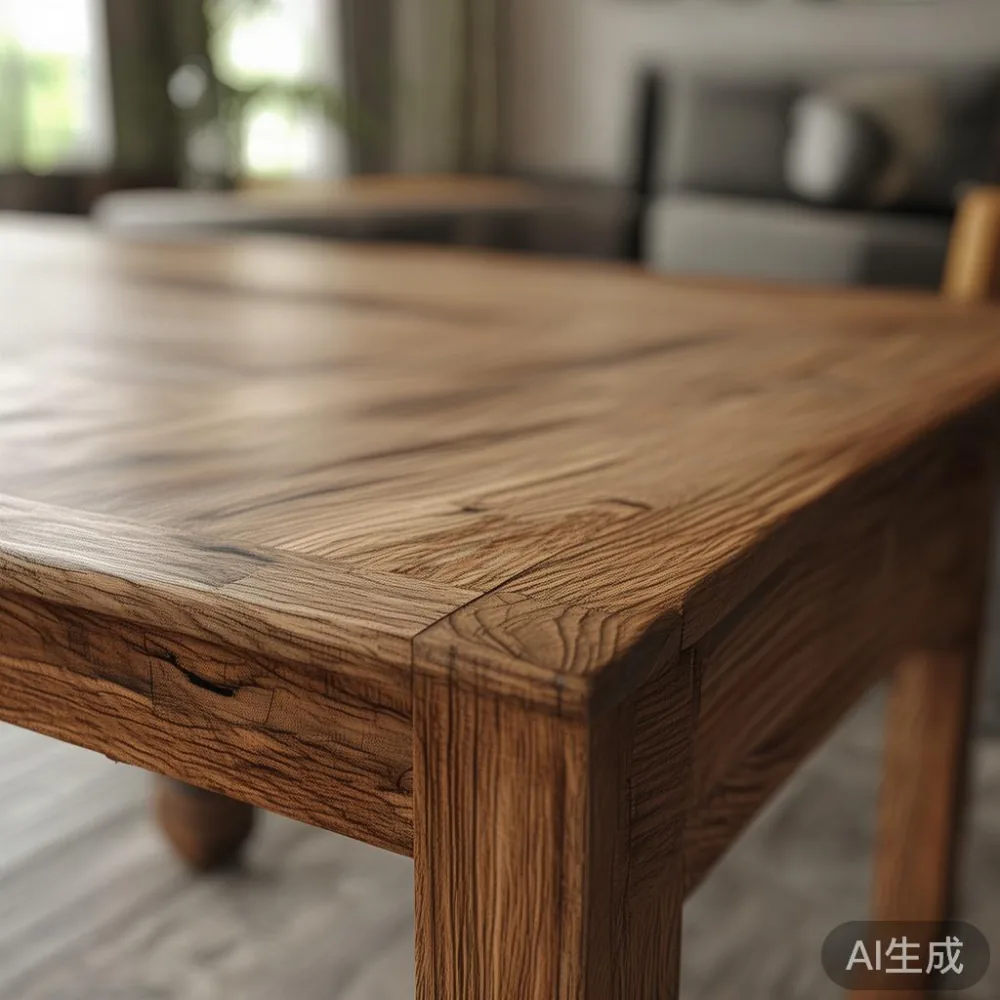
Surface and finish exclusions. This is where the trapdoors live. "Wood movement, checking, hairline cracks, and colour change" are all common exclusions because solid wood breathes. The question is whether the maker commits to refinishing. MIDHILL offers lifetime refinishing support across all five categories in its range, from a solid wood sofa base frame and a solid wood bed frame right through to a solid wood dining table, a solid wood wardrobe, and the marble table variants in the living room line. Other brands promise a "lifetime warranty" and then point to a phone number that no longer answers. Verify the service exists, not just the words.
Humidity and indoor-air exclusions. One well-known regional brand reserves the right to void warranty if the home is not kept between 18 and 24 degrees Celsius with humidity under 65%. Singapore does not run to that envelope for most of the calendar year without dehumidifiers. Treat any warranty with such a clause as half its headline number.
Cosmetic versus mechanical. A small ding from a parcel scanner at the corridor is cosmetic. A split leg 30 days after delivery is mechanical. Some warranties cover only cosmetic, or vice versa. You want both, or at minimum mechanical plus full refinishing for cosmetic.
Workmanship and joinery. French light luxury pieces and post-modern light luxury styles often feature mitred corners, hand-rubbed lacquers, and slim metal-to-wood transitions. These details need a workmanship clause of at least 3 to 5 years, because lacquer adhesion problems and metal oxidation show up only after a couple of seasons.
How are delivery, GST, and damage claims handled in the warranty?
The transport clauses matter more in Singapore than in cities with ground-floor loading docks. A console table that travels by air-freight from a Foshan workshop, clears customs, lands at a Jurong warehouse, and rides a tail-lift lorry to your block will go through at least six hands. The warranty should name the carrier, the country of origin, and who files the damage claim within what window. A good rule I use: written damage reports must be filed within 48 hours, with photos, and the maker must replace the part within 14 business days, or credit the unit at landed cost including the 9% GST. Anything looser than that tends to invite finger-pointing between the shipper, the 3PL, and the agent.
Lift access is another quiet clause. Older Bedok blocks have lifts around 0.9 m wide, and a 1.4 m console table cannot be carried in flat. Some warranties will refund the purchase but refuse to retrieve the product, leaving you with a 45 kg piece in your living room. MIDHILL writes a fix that small into its delivery terms: side-entry doors, dismantled legs for narrow corridors, and reassembly at no extra charge. A flat-packed competitor may not.
Free shipping thresholds also tie into warranty risk. A S$350 free-shipping line, common in the Singapore furniture market, places the furniture into a value band where the maker still makes a margin on logistics and can absorb small claims. Below that, claims often turn hostile because the unit barely covers the freight. Above roughly S$1,800, expect a documented white-glove team with a damage protocol, not a generic courier.
Which "lifetime" promises actually pay out?
"Lifetime" is a marketing word, and the test of a lifetime warranty is whether the components are still stocked in 5, 10, and 20 years. A solid wood dining table or a bed frame in white oak can last 30 years, and yet a sliding rail or a drawer runner typically has a service life of 8 to 12 years. Confirm that hardware such as runners, soft-close hinges, and metal feet can be replaced under the same term, and that the maker guarantees spare parts for at least 10 years from purchase. MIDHILL publishes this on its warranty card: structural 10 years, finish lifetime with paid refinishing at cost, hardware 5 years, with a 14-day return window for change-of-mind because return freight from a Punggol block on a Saturday morning is rarely easy.
Return windows deserve their own page. The 14-day rule in Singapore mirrors most consumer electronics retailers and excludes opened or assembled items, but a furniture piece that arrives with a chipped corner has to be reported before assembly for the return to stand. Photograph the box corners and the unit corner at the door, every time, before the delivery crew leaves. That single habit has saved my colleagues roughly S$2,400 in disputed claims over the last year.
What questions should I ask the seller before I commit?
Bring this list to the showroom chat or the email thread:
1. What is "structural," exactly, and which joints count?
2. Is finish checking, splitting, or fading covered, and how is refinishing priced if not free?
3. What humidity and temperature band voids the warranty?
4. What is the documented response time for a claim, in business days?
5. Are replacement parts stocked for 10 years, and where are they shipped from?
6. What is the damage window for transit, and who files the carrier claim?
7. Does the delivery team dismantle and reassemble at your door at no charge?
8. Is the 9% GST shown on the invoice, and is the warranty transferable if you sell the unit?
Sellers who answer all eight without hesitation usually have a real document. Sellers who cannot point to a written claim window usually have a marketing line.
How do I keep my console table warranty valid for the next decade?
Keep the warranty card, the invoice, the delivery photo set, and the maker's care sheet in a single PDF in your cloud drive, dated and named. Wipe the unit weekly with a microfibre cloth dampened at around 40% water, 60% neutral soap. Avoid silicone polishes because they block refinishing later. Rotate any decorative objects every two months so sunlight and LED light do not burn one side. Run a dehumidifier in the room during the November and December monsoon window when indoor humidity in a Punggol flat can climb past 85%. Lift, do not drag, the unit when you rearrange the living room: dragging snaps the legs off a 120 cm console table even at 18 kg. Check the corner blocks every spring and tighten a quarter turn if needed. These small habits are what let the warranty stay dormant for ten years, which is the whole point.
A short checklist for the Singapore buyer
Read the definitions before the promises. Confirm humidity exclusions. Confirm who files transit damage within 48 hours. Confirm hardware spare-parts supply for at least 10 years. Confirm whether delivery includes lift access and reassembly in older Bedok blocks. Confirm the GST line on the invoice and whether the warranty travels with the unit. Confirm that "lifetime" has a service behind it. A console table that fails these tests is rarely cheaper, only quieter at the till. A console table that passes them tends to outlast the lease of your first HDB, the resale of your condo, and the renovations you will plan around it five years from now.