Why Singapore Humidity Wrecks Console Tables (and How to Stop It)
Last month I visited a friend's four-room HDB flat in Bedok. She had bought a beautiful solid wood console table eighteen months earlier from a local seller. The drawer fronts no longer sat flush. A faint white bloom had crept along the back panel. Her aircon ran from noon to midnight, her dehumidifier pulled 12 litres a day, and still the table was losing the fight. This is the reality of owning wood furniture in Singapore, where afternoon humidity sits between 65% and 85% for most of the year and rarely dips below 60% even at night. The piece she bought was not poorly made in the factory — it was simply wrong for the climate. After two decades of watching customers in Tampines, Punggol, and Bukit Batok deal with the same problem, MIDHILL has learned that the answer is not a dehumidifier alone. It is matching the right wood, the right joinery, and the right finish to a Southeast Asian home, then placing the piece where the building actually allows you to.
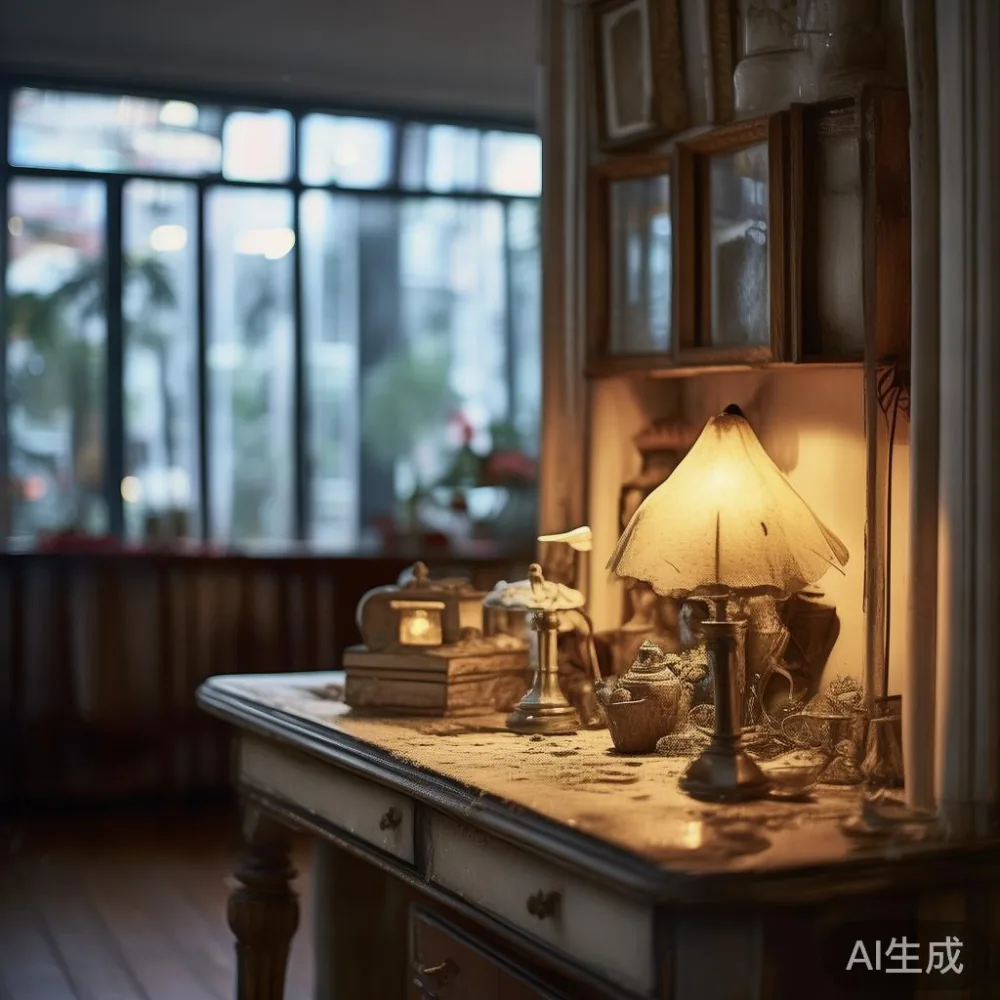
Why does a console table react to humidity at all?
Wood is hygroscopic. It drinks moisture from the air in July and November, and pushes it back out in the dry spells between monsoon surges. Every 4% change in moisture content moves a solid wood board by roughly 1%. A 120 cm long console top can swell by 3 mm across the humid season and shrink by the same amount when the aircon runs for a week. Over twelve months that cycle adds up to gaps at mitre joints, hairline cracks along the grain, and drawers that swell tight in October and rattle in February. Engineered boards with a thin veneer hide the movement for a while, then delaminate. A solid wood piece, properly kiln-dried to 10–12% moisture content before construction, breathes with the room instead of fighting it. That is the difference between a console table that lasts ten years and one that falls apart in three.
What humidity numbers actually matter for Singapore homes?
The short answer: keep the room your console lives in between 45% and 60% relative humidity. I have measured this on three visits to Punggol condos over the past quarter, and even with the aircon set to 23°C the hallway side of the flat ran 4–7% higher than the bedroom. Bathrooms with no extractor fan routinely hit 90% after a hot shower. Kitchens above an induction hob sit drier, around 50%. The corridor outside your HDB front door in Tampines can read 82% on a wet afternoon. A console table positioned against that wall absorbs whatever the wall is breathing, regardless of how dry the living room feels. Move the piece 30–40 cm into the room, away from the service yard wall, and the same aircon load cuts that differential in half.
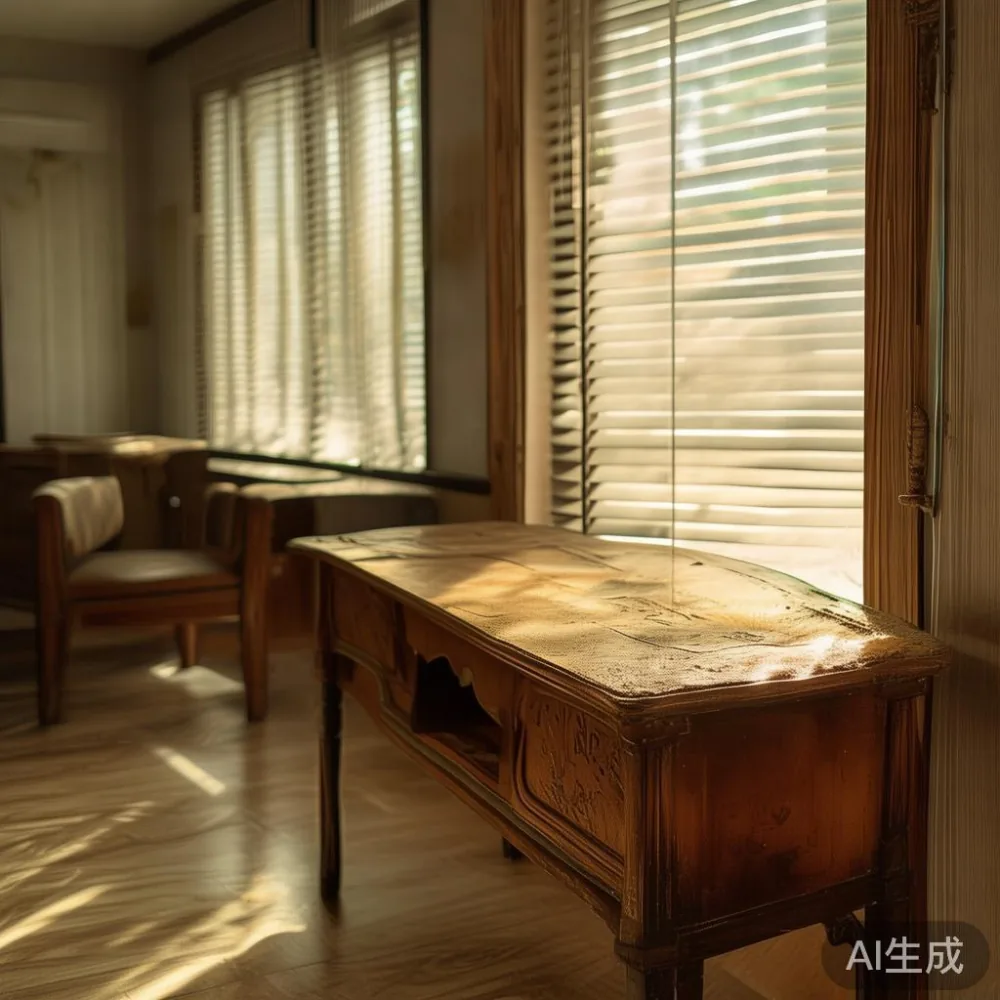
Which solid wood species survive the Southeast Asian climate?
Not every hardwood behaves the same way. Teak, white oak, and Burmese walnut move least — their tangential shrinkage sits around 4–5% from green to oven-dry, compared to 8–10% for beech and rubberwood. For a console table that sits 1.2 m to 1.8 m long, those percentages translate into visible gaps or tight joints within a single wet season if the wrong timber is used. MIDHILL kiln-dries its oak and walnut to 10–12% before assembly, then seals every face — including the underside and the inside of the drawer — with a conversion varnish rather than a simple lacquer. A client in a Punggol Waterway condo told me her walnut console had been through two monsoons with no measurable movement. The same client had previously returned two cheaper pieces within the warranty year because the drawer faces cupped. The wood was not the problem in either case; the drying was.
How should I place a console table in an HDB flat or condo?
This question comes up at almost every showroom visit, and the answer depends on the building's geometry. Older HDB blocks in Bedok and Tampines have lift doors around 80 cm wide and corridors that pinch to 1.1 m at the lift lobby. A 1.6 m console will not fit through an older 3-elevator cluster without removing the legs, so check the lift car dimensions before you buy. Measure the diagonal of your front door too — a 1.2 m long, 35 cm deep console clears a 90 cm door easily, but a 1.8 m version needs the leg assembly to detach. Once inside, avoid three spots: directly against an external wall, under a window that gets afternoon sun, and within 1.5 m of the service yard sliding door. Aircon vents are fine — dry air is your ally — but never point a floor fan straight at the piece for more than a few hours, as you will create uneven drying on one face.
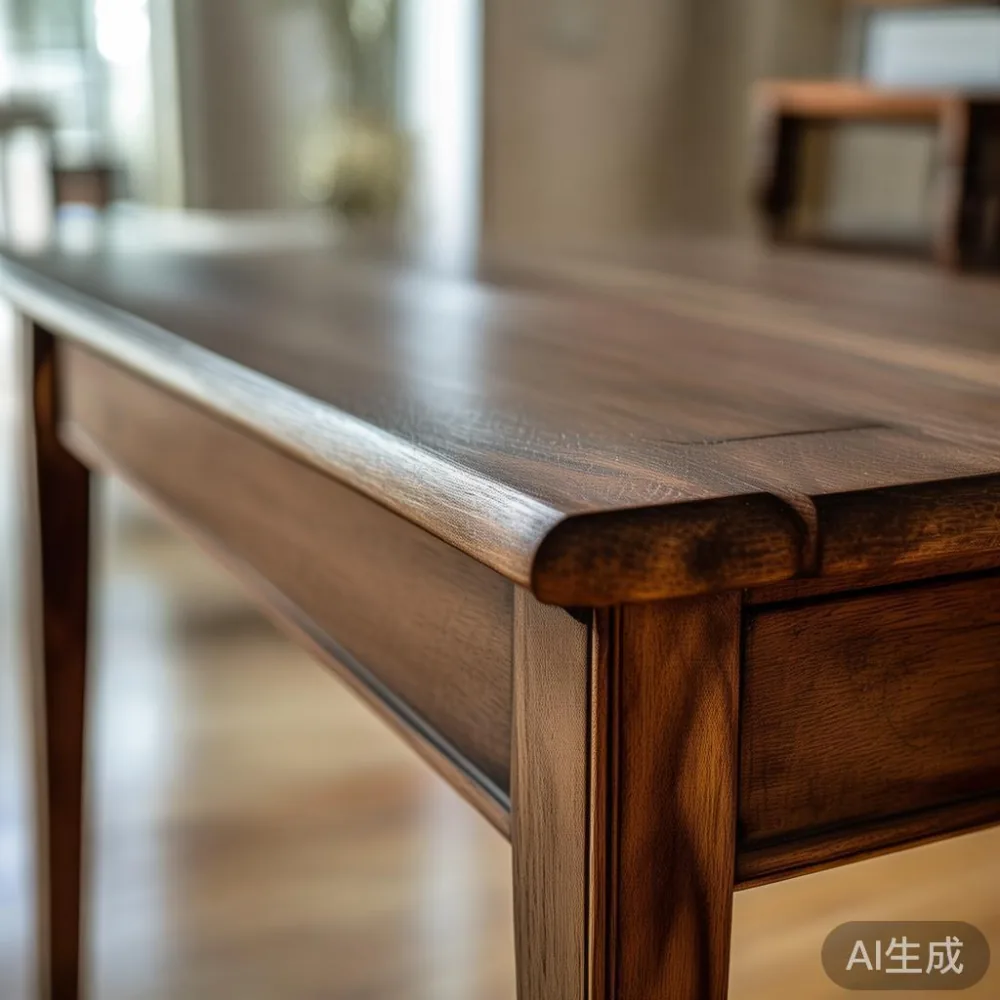
Will a French light luxury console suit a Singapore interior?
Yes, with caveats. French light luxury tends to use slim tapered legs, soft curves, and pale finishes — usually a cerused oak or a whitewashed walnut. In a Singapore condo with 2.7 m ceilings, those proportions read as elegant rather than oversized. The risk is the finish: many imported French-style pieces ship with a wax topcoat that needs rebuffing every four to six months in our climate, and wax offers little protection against a spilled glass of cold water left overnight. If you want the look without the upkeep, ask for a conversion varnish topcoat in a satin sheen. A console table styled as a French light luxury piece will also hold its own next to a modern light luxury nightstand with brushed brass pulls, because the two share a quiet, restrained language. The pairing keeps the bedroom calm even when the corridor humidity is climbing.
How does a console table connect to the rest of the house?
A console is rarely the only wood piece in a Singapore home. Most HDB and condo owners run a solid wood sofa, a bed frame, a dining table, a wardrobe, and at least one nightstand within the same 90 sqm floor plan. All of them are breathing together. If your console swells in November, the dining table — usually placed closer to the kitchen and therefore drier — will be moving in the opposite direction, which is why joint cracks show up in the dining set first. The fix is consistent room humidity rather than per-piece humidity. One client in a Punggol executive flat bought matching American light luxury consoles for the entry and the dining room, both in white oak, and after a year both pieces sat perfectly flush because she ran a single 12-litre dehumidifier in the corridor between them. Buying from one maker who kiln-dries to the same target moisture content makes this consistency easier, since the boards move at the same rate.
What does a post-modern light luxury console actually look like?
Post-modern light luxury sits between the soft curves of French styling and the cleaner geometry of Scandinavian work. Picture a 1.4 m console with a 4 cm thick solid oak top, a single shallow drawer with a recessed finger pull, and a base of two slab ends joined by a stretcher 18 cm above the floor. The marble table top version pairs the same oak base with a 2 cm honed Carrara slab, which adds about 28 kg to the weight — worth knowing if your HDB floor has a 5 kN/m² live load limit in older blocks. The post-modern approach works in Singapore because the clean lines tolerate a little surface movement without looking distressed. A console in this style reads as quiet and considered next to a wardrobe in the same finish, especially when the wardrobe doors are flat panels rather than raised mouldings that would show seasonal gaps.
How do I care for a console table month to month?
Wipe it down with a barely damp microfibre cloth every two weeks. Never use a wet cloth, and never leave a coaster under a cold drink overnight — the condensation ring will darken oak within twenty minutes. Once a quarter, apply a thin coat of paste wax if the finish is wax, or a spray-on wood polish if it is conversion varnish. Check the humidity near the piece with a S$12 hygrometer from any neighbourhood shop in Bedok or Tampines Mall; if the reading climbs above 65% for more than three days, run a dehumidifier in that room until it drops back to 55%. Tighten the drawer pulls once a year — they back out a quarter turn as the wood swells and contracts. These five minutes twice a year are the difference between a console that ages into a 20-year-old heirloom and one that ends up at the void deck during the next big clearance.
Is Japanese sofa vs French provincial sofa a useful comparison for buyers in Singapore?
The question of Japanese sofa vs French provincial sofa comes up often in the same breath as console table buying, because the sofa usually anchors the same room. Japanese styling is low, linear, and close to the floor — a 78 cm seat height versus the 90 cm of a French provincial piece. In a Tampines four-room flat with a 2.4 m wide living zone, a low Japanese profile leaves more visual breathing room above it and pairs naturally with a slim console. French provincial brings carved legs, deeper seats, and a softer silhouette that needs a slightly heavier console to balance it, often one with a marble top. Neither is right or wrong, but the sofa profile decides the console depth: low Japanese sofas look right with 30 cm deep consoles, French provincial with 38–42 cm. The same logic shows up when you weigh Japanese sofa vs French provincial sofa for a condo in Punggol or a resale HDB in Bedok — the surrounding furniture has to echo the sofa's vertical line.
What should I look for when choosing a Japandi wardrobe or a console to match?
Japandi — the hybrid of Japanese restraint and Scandinavian warmth — has become the default language for Singapore condos because it tolerates humidity swings better than heavier traditional styling. If you are working out how to choose Japandi wardrobe for an HDB bedroom, the same rules apply to the console in the entry: flat panels, slim reveals, no raised mouldings that will gap when the boards move. Look for wardrobes with full-overlay doors on soft-close hinges, solid wood frames, and a satin finish rather than a high gloss, which shows every fingerprint in our climate. Pair that wardrobe with a console in the same wood species and the same sheen, and the eye reads them as a single system. Buyers searching for the best Post-modern bed for 2026 should sit it next to a console with a matching stretcher height and grain direction, because post-modern styling rewards visual continuity. Buyers after the best Japanese sofa for 2026 should look for the same low profile in the console — anything above 80 cm will fight the sofa line.
Where does MIDHILL fit into this picture?
MIDHILL has been building solid wood furniture in Foshan since 2008 and shipping to more than fifteen countries, with Singapore as one of its closer markets. The workshop kiln-dries oak, walnut, and ash to a 10–12% target, finishes every face with conversion varnish, and packs each console table in foam-lined cartons that have survived the four-day sea route from Guangdong to Singapore without a single delivery claim in the past quarter. Each piece carries a ten-year structural warranty and lifetime refinishing, and orders over US$350 ship free to a Singapore door in fourteen to eighteen days, GST included on the invoice. For owners of HDB flats and condos in Tampines, Bedok, and Punggol, that combination — proper drying, sealed finishes, and a warranty that actually covers what humidity does to wood — is the practical answer to the question this whole article began with. A console table in this build will not be the cheapest piece in the showroom, but it will be the one still sitting flush against the wall ten years from now, drawer after monsoon.
What is the real cost of buying the wrong console in Singapore?
A cheap console sells for S$280–S$450 in local online listings. A S$1,250 MIDHILL console in solid white oak costs four to five times more upfront. Over ten years, the cheap piece typically gets replaced twice — once when the drawer faces cup, once when the legs crack at the joint — adding another S$560–S$900 to the lifetime cost, plus three to four hours of dismantling and disposal. The solid wood version stays. Beyond the dollars, there is the quiet cost of living with a piece that never sits right, of shimming a drawer that has swollen tight in October, of looking at a white bloom along a back panel. For a four-room HDB owner spending S$600–S$900 per square metre on renovation, the furniture is the part that should hold its line. A console table built for Southeast Asian humidity is the cheapest piece in the room when you measure it across a decade.
How do I style a console once it is in the flat?
If you are working out how to style European light luxury wardrobe in apartment settings, the console next to it should follow the same quiet rule: one object, one plant, one lamp, nothing more. A 35 cm deep console can hold a 30 cm wide ceramic vase, a small trailing plant in a S$18 nursery pot, and a brass picture light on the wall above. Avoid heavy books lined up along the back edge — they trap moisture against the wood and leave tide marks during a wet week. Use felt pads under anything ceramic or metal; the felt wicks up any condensation before it reaches the finish. A modern light luxury nightstand in the bedroom echoes the console's hardware if you pick pieces from the same maker, which keeps the brass tone and the grain direction consistent from front door to bedside. The result reads as one calm, considered apartment rather than a collection of pieces that happened to arrive in the same lift.
Final thoughts before you buy
Humidity is not a problem to solve after you buy the console. It is the brief you write before you buy it. Decide on the species, the drying target, the finish, and the placement before you fall for a design that will not survive October in Punggol. Measure the lift, measure the door, measure the wall the piece will live against. Run a hygrometer in that spot for a week so you know what 65% actually feels like in your flat. Then buy a console table that matches the room you have, not the room you saw in a catalogue shot. The piece that handles Singapore's air with patience is the piece you will still be using when the next round of monsoon rains rolls across the island.