Beyond the Surface: A 5-Year Cost Comparison of Veneer and Solid Wood Console Tables
When furnishing a Singaporean home, space is a primary consideration. Whether you live in a compact HDB flat in Tampines or a spacious condo in Punggol, every piece of furniture must be both functional and aesthetically pleasing. The console table, a fixture in entryways, living rooms, and even bedrooms, is no exception. It serves as a drop-zone for keys, a display surface for art, and a defining piece of your home's style. The choice between a veneer console table and a solid wood one is often the first major decision, with price being a significant factor. However, the true cost extends far beyond the initial price tag. This article provides a detailed, 5-year cost comparison, using concrete figures and real-world scenarios from Singapore to help you understand the long-term financial and practical implications of your choice.
What's the Real Difference Between Veneer and Solid Wood?
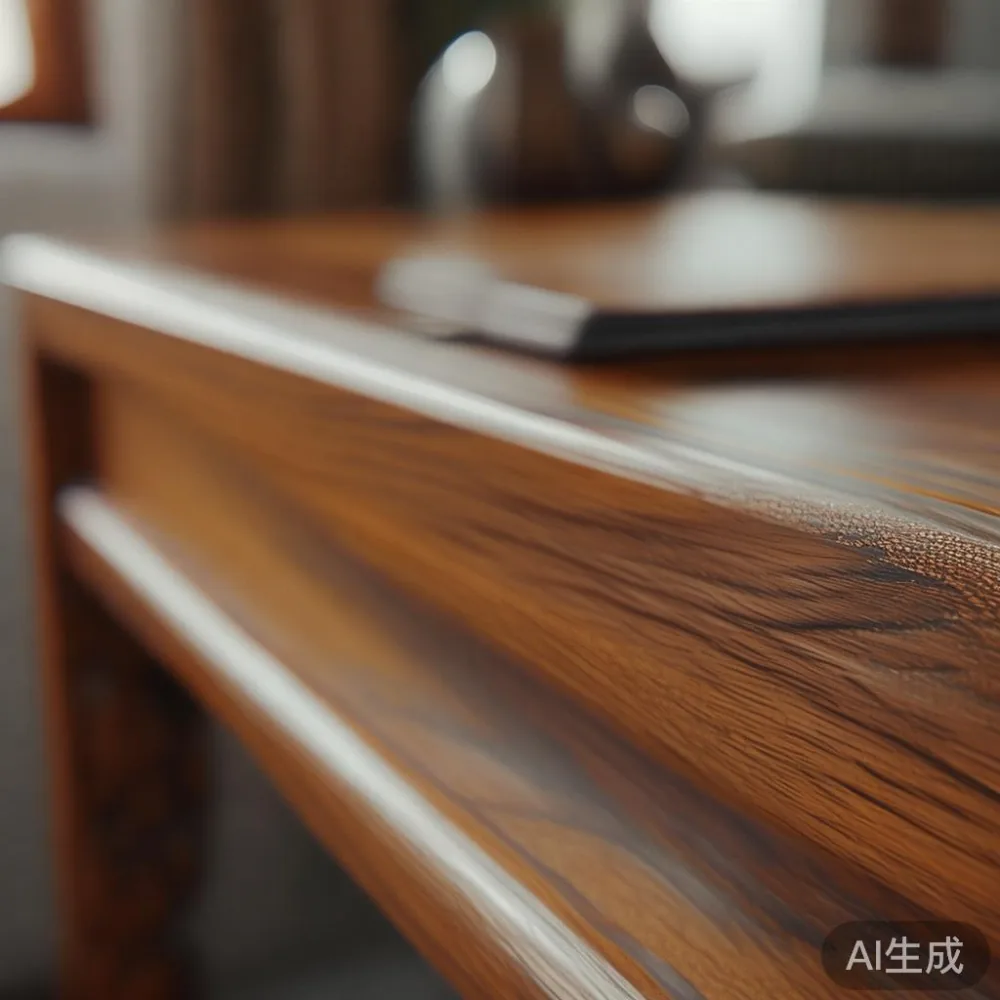
Before diving into costs, it's important to understand the fundamental differences between these two materials. A solid wood console table, like those crafted by manufacturers established since 2008, is made from a single, solid piece of lumber or solid wood planks joined together. Common woods used in Singapore include teak, mango, and oak, each offering distinct grains and durability. The entire structure—the legs, the top, the sides—is genuine wood. This means the console table can be sanded down and refinished multiple times over its lifespan, in effect allowing it to be restored to its original condition.
A veneer console table, on the other hand, has a core that is typically a composite material like Medium-Density Fibreboard (MDF), particleboard, or plywood. A very thin slice of real wood, known as the veneer, is applied to the surface of this core to give it the appearance of solid wood. While high-quality veneers can be beautiful and durable, they are fundamentally different. The console table cannot be sanded and refinished in the same way. If the surface is scratched or damaged, the veneer can be sanded lightly, but too much sanding will wear through it, exposing the composite core underneath. For a console table placed in a high-traffic area like a condo's corridor or an HDB's living room, this distinction becomes critical over time.

The Initial Investment: A Price-by-Price Breakdown
The most obvious difference between veneer and solid wood is the upfront cost. Let's compare two similar-looking console tables, one with a veneer finish and one made of solid wood, both available in Singapore with standard dimensions of 120cm long, 35cm deep, and 80cm high.
A veneer console table, often imported or locally assembled, typically starts from a lower price point. You can find models for as little as SGD 350. A mid-range veneer console table might cost around SGD 550. These prices reflect the lower cost of composite materials and simpler manufacturing processes. They are attractive for those furnishing a new HDB flat or condo on a tighter budget.

A solid wood console table commands a significantly higher initial price. A solid mango wood console table, for example, might start from SGD 900. A higher-end teak wood console table could cost SGD 1,500 or more. This price reflects the cost of premium, durable lumber and the skilled craftsmanship required. For a family moving into a new condo in Bedok, this initial investment can seem steep, especially when factoring in other expenses like the Goods and Services Tax (GST) at 9% and potential delivery fees.
However, many established furniture makers offer incentives. A purchase over SGD 350 often includes free island-wide delivery in Singapore, which can save you SGD 50 to SGD 100. A reputable company might also offer a 14-day return policy, allowing you to return the console table if it doesn't fit in your space or meet your expectations. This peace of mind is part of the value proposition, even if the initial price is higher.
Year 1-2 Costs: Maintenance and Aesthetic Appeal
In the first two years, both types of console tables will likely look similar if they are well-made. The veneer's finish is smooth and the solid wood's surface is polished. However, the maintenance requirements begin to diverge subtly. A solid wood console table may require occasional polishing with a suitable wood oil to maintain its lustre and prevent the wood from drying out in Singapore's humid climate. A bottle of quality wood polish costs around SGD 40 and might be used twice a year.
A veneer console table needs different care. Using harsh chemical cleaners or excessive water can cause the veneer to bubble or peel. Wipes specifically designed for wood veneers are recommended, costing about SGD 20 for a pack. For most owners, the first two years are about maintaining the 'new look' without significant issues.
p>Aesthetically, a solid wood console table offers a sense of substance and authenticity. The natural grain, depth, and texture are difficult for veneer to replicate perfectly. For those aiming for a specific style, like a French provincial for apartment living, the rich, warm tones of solid wood can create a more authentic and luxurious feel. A veneer console table can achieve a similar look, but it often lacks the same tactile depth and character. My colleague, Sarah, who recently decorated her new condo in Punggol, noted that her solid wood console table felt more substantial and became a talking point, whereas her previous veneer table, while attractive, felt more like a decorative accessory than a piece of furniture.
Year 3-5 Costs: The Tipping Point of Durability
This is where the long-term value proposition becomes clear. By year three, a veneer console table in a busy household will likely show signs of wear. Small scratches from keys or bags can appear on the surface. While minor scratches on solid wood can be buffed out, a deep scratch on a veneer console table can be a permanent eyesore. If the damage is near an edge, moisture can seep in, causing the veneer to lift. Repairing a damaged veneer console table is difficult and expensive. A professional repair service might charge SGD 150 to SGD 300 to fix a small area, and the colour match may not be perfect.
By year five, the problems with a veneer console table can escalate. The composite core material, especially in Singapore's humid environment, is susceptible to warping. You might notice the console table top sagging slightly in the middle or the doors on a console table with storage sticking. A warped console table is not just an aesthetic issue; it's a functional one. Replacing a veneer console table at this point is common. A new one will cost another SGD 350 to SGD 600, bringing your total cost for a 5-year period to SGD 700 to SGD 900, plus the initial maintenance costs.
A solid wood console table, however, ages gracefully. Minor scratches add character. If the surface starts to look dull, it can be professionally refinished. A refinishing service for a console table costs approximately SGD 200 to SGD 400. This process involves sanding down the surface and applying a new coat of varnish or oil, effectively making the console table look brand new. Many manufacturers offer a lifetime refinishing service as part of their warranty, making this a very affordable option. A solid wood console table that has been refinished will often look better than it did new, with a richer patina. The structural integrity of a well-made solid wood console table remains intact for decades, not just years.
Is a Solid Wood Console Table Truly Worth the Higher Price in Singapore?
This is the question every homeowner in Singapore asks. The answer lies in the total cost of ownership and the value you place on longevity and aesthetics. Let's do a simple 5-year cost analysis for our two console tables, factoring in GST and delivery (assuming free shipping for both).
Scenario 1: Veneer Console Table
Initial Cost: SGD 550
Wood Polish (2 years): SGD 80
Minor Scratch Repair (Year 3): SGD 200
Replacement Console Table (Year 5): SGD 550
Total 5-Year Cost: SGD 1,380
Plus 9% GST on original purchase: SGD 49.50
Grand Total: SGD 1,429.50
Scenario 2: Solid Wood Console Table
Initial Cost: SGD 1,200
Wood Oil (2 years): SGD 80
Professional Refinishing (Year 5): SGD 300
Total 5-Year Cost: SGD 1,580
Plus 9% GST on original purchase: SGD 108
Grand Total: SGD 1,688
On paper, the veneer console table seems cheaper over 5 years. However, this calculation doesn't account for the value of your time, the inconvenience of replacing a piece of furniture, and the aesthetic depreciation. A five-year-old veneer console table is often a tired-looking piece of furniture. A five-year-old, refinished solid wood console table is a beautiful, timeless piece that can be passed down or used in another room. For those who appreciate a mid-century modern for guest room aesthetic, the durability and character of solid wood are unmatched.
Also, the structural warranty is a critical factor. A reputable brand offers a 10-year structural warranty on a solid wood console table. This means if a leg or joint fails within a decade, it will be repaired or replaced free of charge. A veneer console table typically comes with a 1-year warranty, which may not cover warping or delamination. The peace of mind that comes with knowing your console table is structurally sound for a decade is a value that is hard to quantify but is immensely practical for homeowners.
Choosing the Right Console Table for Your Singaporean Space
Ultimately, the choice depends on your lifestyle, budget, and design goals. For a young couple renting an HDB flat and planning to move in a few years, a well-made veneer console table might be a practical, disposable choice. It serves its purpose without a significant financial commitment.
For a family settling into a condo for the long term, a solid wood console table is a smarter investment. Its durability means it will withstand the rigours of daily life in a household with children. Its timeless appeal means it will fit with your decor as your style evolves, whether you lean towards a minimalist Japanese style or a more opulent light luxury aesthetic. The question is not just 'is Italian light luxury bed worth it?' but rather, is a piece of furniture that brings you joy and lasts for decades worth the investment? The same logic applies to a console table. The longevity of a solid wood piece means you won't have to go through the hassle and expense of shopping for a replacement in just a few years.
When selecting a console table, consider the specific needs of your space. The width of your corridor or the dimensions of your living room will dictate the size. A console table that is too wide can make a narrow HDB hallway feel cramped. A console table that is too small might look lost in a large condo living room. Measuring your space carefully is the first step. Consider the weight as well; a solid wood console table is significantly heavier than a veneer one, which is a factor for moving or rearranging furniture.
For those who appreciate a sophisticated, understated elegance, a console table can be the perfect piece to anchor a room. It can hold a marble table top for a touch of luxury, or serve as a base for a statement mirror. The key is to choose a piece that not only looks good now but will continue to serve you well for years to come. The decision between veneer and solid wood is a decision between short-term economy and long-term value. For a piece of furniture as central as a console table, the long-term value of solid wood often proves to be the more economical and satisfying choice.