Singapore's Sofa Shopping Guide: Find Your Uncomfortable Couch
In the world of online furniture shopping, a common dilemma arises: what happens when you find a sofa you love, but you can't physically sit on it to test its comfort? This is a frequent situation for many residents in Singapore, especially when browsing international brands or for sale American furniture online. The inability to physically experience the sofa can make the purchasing decision feel daunting. However, with a structured approach and a keen eye for detail, you can confidently choose a sofa that will be a perfect fit for your home and lifestyle. This guide will walk you through the important factors to consider, ensuring your new arrival is everything you hoped for.

What are the critical measurements for a sofa in a Singapore HDB or condo?
The first and most practical step when buying a sofa you cannot sit on is to become an expert in measurements. Singapore's living spaces, from HDB flats in Tampines to modern condos in Punggol, are known for their efficient layouts, which often means every centimeter counts. A sofa that is even slightly too large can throw off the entire balance of a room. Before you even look at fabric or style, grab a measuring tape and note down the exact dimensions of your intended space. This includes the width of the sofa itself, its depth (how far it protrudes into the room), and its height from the floor to the top of the backrest.
Equally important is measuring the path the sofa will take to its final destination. Consider the width of your main door, the internal doorways, and the corridors. For those in older HDB estates, the standard corridor width is around 1.2 meters, while newer developments might offer more space. The lift is another critical checkpoint. A standard residential lift in Singapore has an internal width of approximately 1.1 meters. If your sofa is wider than this, you will need to confirm if it can be manoeuvred diagonally through the lift. My colleague last month had to learn this the hard way when a 120 cm wide sofa frame arrived, and it was a tight squeeze getting it into the lift of his Bedok apartment. Always measure the height of your lift car as well, as a very tall sofa could be an issue.
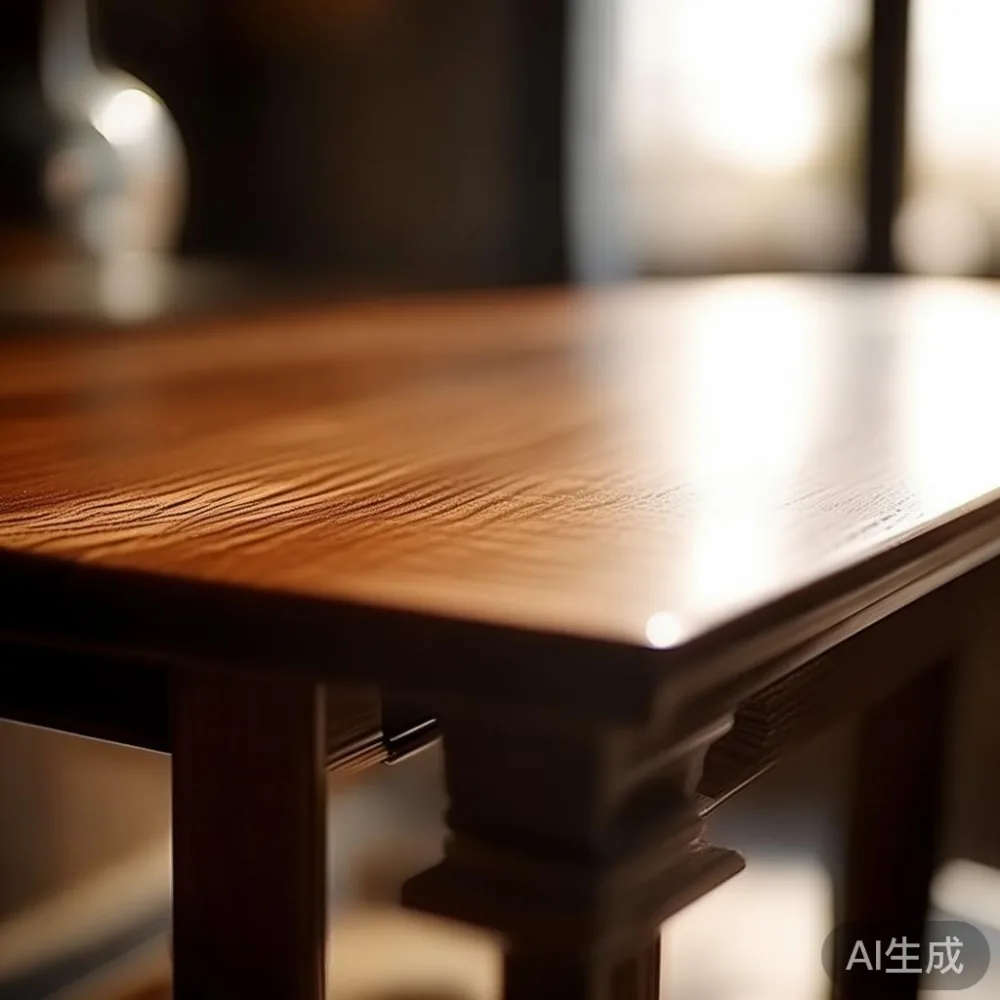
Don't forget to measure the space where the sofa will live. Leave at least 40-50 cm of walking space around the sofa to prevent a cramped feel. For smaller living rooms, a console table placed behind the sofa can be a stylish space-saving solution, providing surface area without adding depth. Knowing these numbers—width, depth, height, and clear pathway—will immediately narrow down your options and prevent costly mistakes.
How do you assess sofa quality from online photos and descriptions?
When you can't touch the sofa, your eyes and your ability to interpret product details become your primary tools. Look for high-resolution images that show the sofa from multiple angles, including close-ups of the stitching, the wood legs (if applicable), and the fabric texture. Pay close attention to the frame, as this is the foundation of the sofa's longevity. A solid wood sofa frame is a mark of quality, indicating a durable and long-lasting piece of furniture. Reputable sellers will often specify the materials used, such as 'kiln-dried hardwood' or 'high-density foam.'

The description should detail the construction. Look for terms like 'eight-way hand-tied springs' or 'sinuous springs,' which indicate a high level of support and comfort. The cushion filling is another key indicator. High-resilience foam wrapped in a layer of down or fibre will offer a different feel compared to standard foam. Check the weight of the sofa. A heavier sofa, for instance, over 40 kg for a standard three-seater, often suggests a more solid frame and higher-quality materials. A lightweight sofa might be an indication of a less durable construction. Also, check the warranty. A 10-year structural warranty, like the one offered by some established makers, is a strong indicator of confidence in the product's build quality.
Finally, consider the brand's reputation and reviews. Look for feedback from other customers, particularly those in Singapore, as they will have similar experiences with delivery and space constraints. Reading about their experiences can provide invaluable insights into the product's real-world performance and the seller's customer service.
What materials and construction details should you look for?
The materials used in a sofa's construction directly impact its comfort, durability, and care requirements. For the frame, as mentioned, solid wood is superior. Cheaper alternatives like particleboard or MDF can warp or break over time, especially in Singapore's humid climate. The frame should be joined using traditional woodworking methods like dowels, screws, and glue, rather than just staples. This ensures the sofa remains sturdy for years.
The suspension system is what provides support. The best quality sofas use a system of individual coils, known as 'eight-way hand-tied springs,' where each spring is tied by hand in eight directions to the neighbouring springs. This creates an incredibly supportive and flexible base. A more common, but still good, alternative is the 'sinuous spring' or 'no-sag' spring system, which uses heavy-gauge steel S-shaped springs clipped together in rows. This provides good support at a more accessible price point.
For the cushions, you'll typically find a combination of foam and down or fibre. High-density foam provides support, while a top layer of down or fibre adds a soft, plush feel. The density of the foam is measured in kilograms per cubic meter (kg/m³). A foam density of around 30 kg/m³ is considered good for a sofa that will see regular use. The fabric is the final piece of the puzzle. Consider the material's durability, stain resistance, and feel. Linen and cotton offer a natural, breathable aesthetic but can wrinkle easily. Microfibre and performance fabrics are often more stain-resistant and easier to clean, making them practical for homes with children or pets. Always check the cleanability code on the fabric label.
How does delivery and assembly work in Singapore?
Understanding the logistics of delivery and assembly is important when buying large furniture online, especially when you can't inspect it in person. First, confirm the delivery timeline. Most reputable sellers will provide an estimated delivery window. For international brands, this could be 8-12 weeks, while local makers might offer delivery within 2-4 weeks. Factor in this timeline when planning your purchase.
In Singapore, delivery charges are a significant consideration. Many sellers offer free shipping for orders above a certain value, such as SGD 1,500. This is a great way to save on costs. However, 'free shipping' typically means 'curbside delivery,' where the sofa is brought to your door but not into your home. For a standard three-seater sofa weighing 50-60 kg, you will likely need to pay for an extra service, such as 'room of choice' delivery, which can cost an additional SGD 80 to SGD 150. This service includes bringing the sofa into your specified room and unpacking it. For properties without a lift or with very narrow staircases, a 'white glove' service, which includes assembly and removal of packaging, might be necessary and can cost SGD 200 or more.
Assembly is another factor to consider. Some sofas come in a box with simple assembly required, similar to an IKEA product. Others arrive as a single, fully assembled piece. A solid wood sofa, for example, is often delivered as one unit for maximum stability. If assembly is required, check if the seller provides clear instructions and all necessary tools. My last month's visit to a client's home showed a sofa that had been delivered flat-packed, and the assembly took nearly two hours. Always confirm if the price includes assembly, as this can be a hidden cost.
What are the warranty and return policies you need to know?
A comprehensive warranty and a clear return policy are your safety nets when buying a sofa sight unseen. A warranty protects you against manufacturing defects. Look for a warranty that covers the frame for a substantial period, such as 10 years. This is a strong indicator of the manufacturer's confidence in their product. The warranty should also cover other components like springs and cushion cores for a shorter period, typically 3-5 years. Be sure to read the fine print to understand what is and isn't covered. For example, normal wear and tear on the fabric or cushions is usually not covered.
The return policy is equally important. What happens if the sofa arrives and it's the wrong colour, the wrong size, or simply not what you expected? A 14-day return policy is a standard and reasonable timeframe. However, check the conditions. Some sellers may charge a restocking fee or require you to arrange for the return shipping, which can be very expensive for a large item like a sofa. Ideally, look for a policy where the seller covers the return shipping costs if the item is defective or incorrect. This gives you peace of mind knowing you're not stuck with a piece you don't want.
When considering a French provincial sofa in bedroom settings or a post-modern light luxury piece for your living room, the warranty becomes even more important due to the intricate detailing and specialized materials. These pieces are often investments, and a solid warranty ensures that investment is protected. Always keep a copy of your purchase order and warranty information in a safe place.
How do you choose a sofa that matches your home's aesthetic?
Even if you can't sit on the sofa, you can still evaluate if its style will complement your home. Start by considering the aesthetic of your space. Is it minimalist, industrial, or classic? The style of your sofa should harmonize with your existing furniture, like your marble table, dining table, and bed frame. For instance, a sleek, low-profile sofa would complement a modern condo in Punggol, while a more traditional, rolled-arm sofa might suit a classic HDB flat in Tampines.
Think about the colour and texture. Light-coloured sofas can make a small room feel more spacious but may show stains more easily. Darker colours are more forgiving but can absorb light and make a room feel smaller. The texture of the fabric also plays a role. A smooth, velvet-like fabric adds a touch of light luxury, while a rugged, textured fabric creates a more casual, relaxed feel. Look at the sofa's silhouette and proportions. A high-backed sofa can create a more formal, cocooning feel, while a low-backed sofa offers a more open, airy aesthetic.
Finally, consider how the sofa will function in the room. Will it be the main focal point, or will it blend in with the surroundings? A statement sofa in a bold colour or unique shape can define a space, while a neutral-coloured sofa provides a versatile backdrop. You can also accessorize to enhance the style. Placing a console table behind the sofa with a few decorative items can tie the look together. If you are wondering how to style Japanese bed in room, the same principles of balance and harmony apply to selecting a complementary sofa. The key is to choose a piece that not only looks good but also feels right in the context of your entire home.