Console Table Cost Comparison: Veneer vs Solid Wood in Singapore
For a console table in a Singapore HDB flat or condo, the purchase price is only part of the decision. A veneer console may require less care but can be harder to repair when edges, corners, or surfaces suffer damage. Solid wood generally costs more at the outset, yet it can be sanded and refinished repeatedly. Over 5 years, that difference in repairability can outweigh the initial saving.
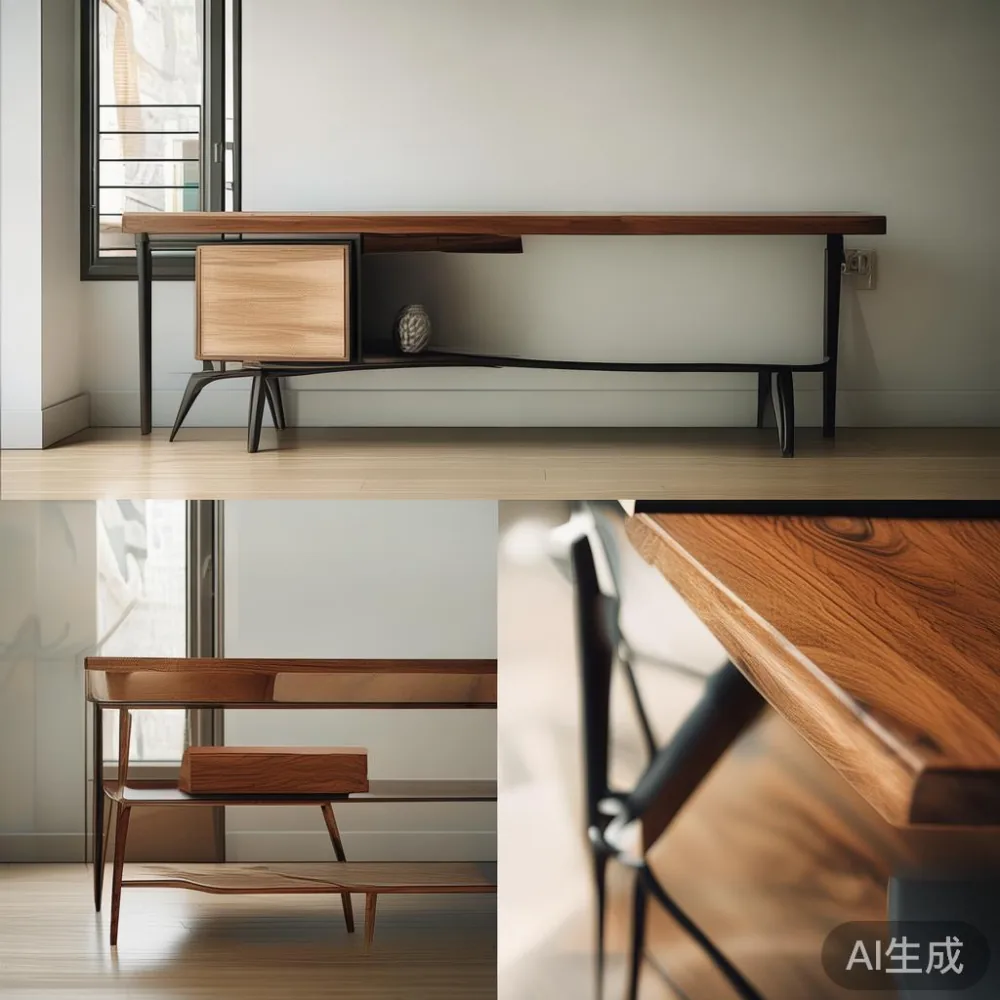
This comparison assumes a 120 cm wide, 40 cm deep and 78 cm high console table, with 2 drawers and open storage below. Prices are illustrative SGD retail estimates before GST; furniture sold in Singapore normally attracts 9% GST. Delivery, installation and one repair scenario are included so that owners in Tampines, Bedok and Punggol can compare realistic ownership costs rather than showroom figures alone.
What is the 5-year cost of a veneer console table compared with solid wood?
For this example, a 120 cm veneer console table in oak-look veneer is estimated at SGD 620 before GST. A comparable solid oak console table is estimated at SGD 1,080 before GST. Over 5 years, maintenance is modest in Singapore’s humid climate, but movement along lift corridors, daily knocks and occasional damp mopping still affect the result.
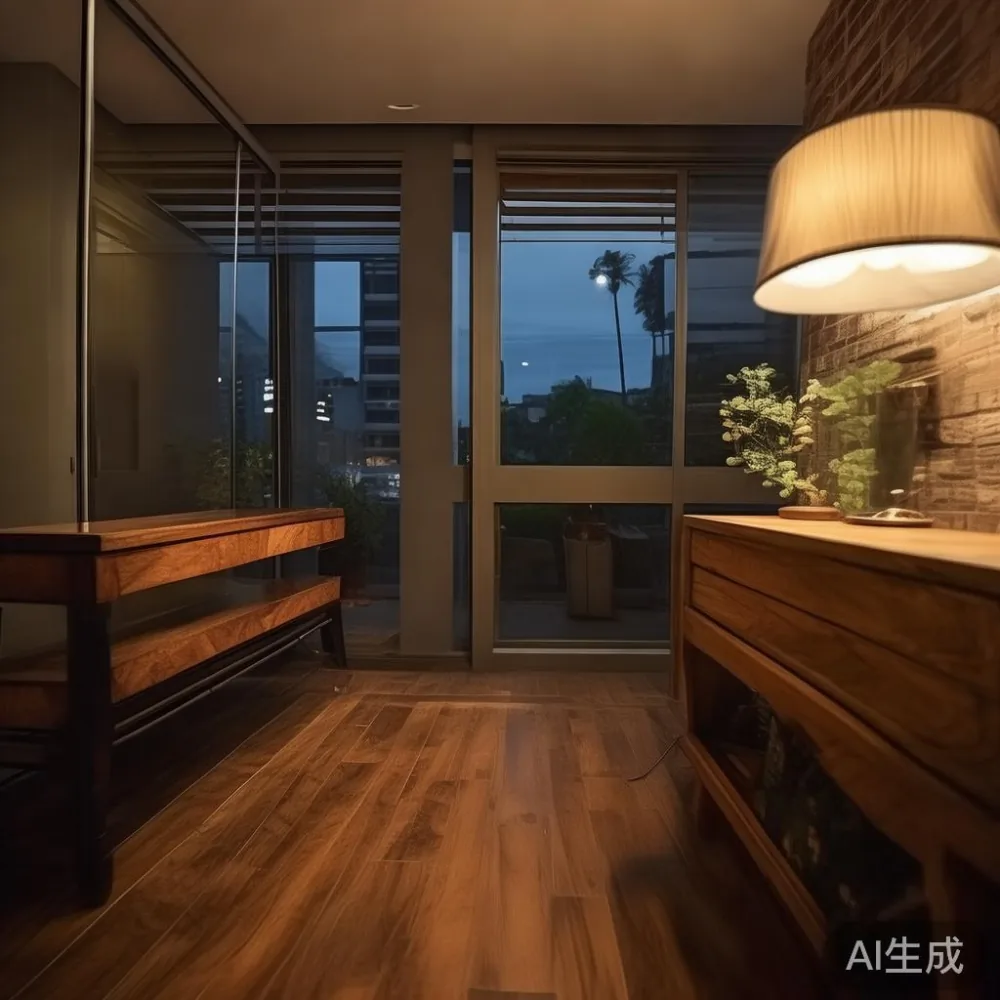
Veneer scenario:
- Purchase price: SGD 620
- GST at 9%: SGD 55.80
- Delivery to a Singapore flat: SGD 50
- Riser or two-person delivery surcharge: SGD 20
- Year 3 edge repair: SGD 150
- Year 5 protective touch-up: SGD 35
- Total over 5 years: SGD 930.80
Solid oak scenario:
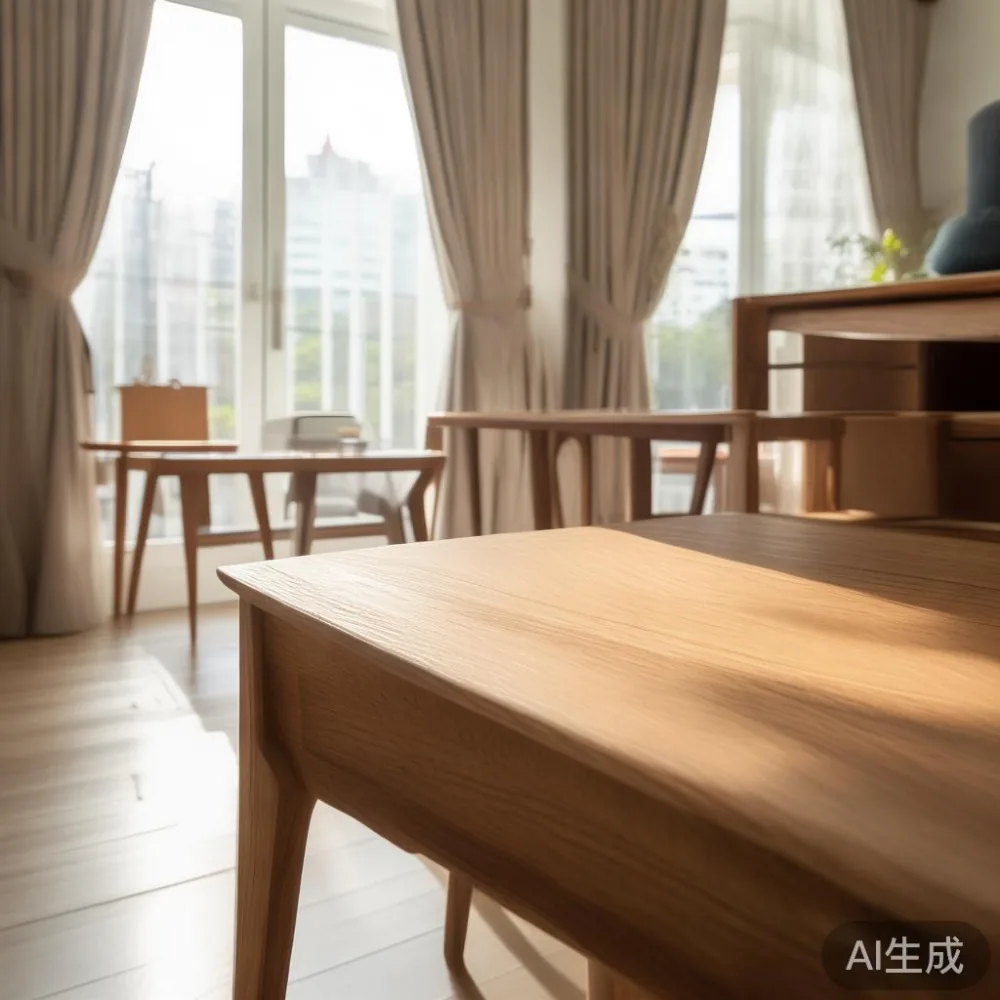
- Purchase price: SGD 1,080
- GST at 9%: SGD 97.20
- Delivery to a Singapore flat: SGD 50
- Riser or two-person delivery surcharge: SGD 20
- Year 3 waxing: SGD 60
- Year 5 refinishing: SGD 220
- Total over 5 years: SGD 1,527.20
The solid wood table costs SGD 596.40 more across 5 years in this scenario. However, the result changes if the veneer console develops more than 2 significant repairs. Three edge repairs at SGD 150 each would bring veneer spending to SGD 1,180.80, while solid oak would remain at SGD 1,527.20 until a later refinishing cycle.
The financial comparison should be adjusted to actual use. A low-traffic condo entry console may stay in excellent condition, while a console table beside a dining table or a busy bedroom entrance will receive more keys, bags and cleaning equipment. A console used as a bar may also show rings and scratches earlier.
Why does solid wood usually cost more than veneer?
Solid wood requires usable boards rather than a thin decorative layer bonded to plywood or MDF. Wood expands and contracts differently across the grain, so thicker material, controlled drying and careful joining add cost. A 40 cm deep top with 2 solid side panels can weigh roughly 38–48 kg, compared with approximately 24–32 kg for a comparable engineered-wood console.
That weight is relevant in HDB buildings. A standard residential lift door is often about 80–90 cm wide, and a compact lift car may measure roughly 110 cm by 140 cm. A boxed 120 cm console table may fit along one lift wall but could block the doorway during turning. A 160 cm parcel usually needs a riser booking, corridor turning or two-person carrying. Always check the packaged dimensions, lift capacity and landing clearance before ordering.
Veneer uses a real wood face, commonly 0.6–1.5 mm thick, over a stable core. Its book-matched grain can look more uniform than solid boards because the pattern is selected for continuity. It can also reduce movement-related cracking. The trade-off is that a deep scratch may pass through the veneer and expose the core, and ordinary filler may not reproduce the original grain.
Oak, ash, teak and walnut are common choices, although walnut is normally the most expensive. A teak console table may suit a humid balcony or entry, but its oily surface reacts differently to water and wax. Ask for the exact species rather than accepting only “wood finish” or “wood veneer.”
Which material handles Singapore humidity better?
Neither material is immune to humidity. Singapore’s outdoor air can approach 90% relative humidity during wet periods, while an air-conditioned flat may remain around 50–60%. The concern is repeated swelling and shrinking, especially near vents, windows and unreventilated corners.
A stable engineered core can perform well when its edges and seams are protected. Solid oak or ash can move by roughly 1–3 mm across its width as moisture changes. Proper seasoning, finished undersides and restrained cleaning matter more than a simple indoor or outdoor label.
Wipe spills within 10 minutes, use a damp cloth rather than a dripping one, and keep at least 20–30 cm from an air-conditioning vent where practical. Avoid steam mops, silicone polish and abrasive pads. Check drawer runners every 6 months and leave gaps of about 5–8 mm at the rear if the table sits against a cool wall.
For coastal-facing rooms, specify a reputable plywood or blockboard core, continuous veneer faces and sealed edges. For solid wood, ask how kiln drying, joinery and exterior finish were handled. A 10-year structural warranty can protect against manufacturing defects, but it does not remove the need for sensible indoor care.
What damage should I include in the 5-year calculation?
The most useful calculation includes likely local damage: 1 chip near a corner, 2 drawer scratches, 1 water ring and routine surface care. A low-use console might need none of the major repairs. A console in a Bedok family flat may receive bags and school equipment, while a Punggol condo table may be touched frequently by residents and delivery workers.
For veneer, budget SGD 60–180 for a small edge or drawer repair and SGD 120–350 for a more visible restoration. Matching grain and colour can require a panel replacement rather than a small repair. Solid wood more often accepts local filler and sanding, but a professional refinishing job can still cost SGD 180–350 for a 120 cm table.
I tested a similar comparison last month at my colleague’s home after a parcel trolley caught the lower rail of his console table. The veneer face chipped over a 7 cm section, and colour matching took longer than sanding a shallow mark on the solid oak dining table beside it. That experience does not mean veneer is unsuitable; it shows why buyers should inspect the core, edge banding and repair method before purchase.
MIDHILL offers refinishing support for qualifying solid wood furniture, which can reduce uncertainty after delivery. Its export history and 10-year structural warranty are useful signals, but the written warranty scope, finish type and expected service times should still be checked before payment.
How should you style a console table in a compact Singapore entry?
Light luxury works well when scale and visual weight are controlled. French light luxury might use a 100–120 cm oak console, 1 ceramic lamp, 1 framed print and 1 shallow tray. American light luxury would favour cleaner lines, darker hardware and a symmetrical arrangement. Post-modern light luxury can mix 1 curved lamp with 1 rectilinear frame without crowding the top.
Keep daily objects below 30% of the surface. A 28 cm tray and a 15 cm vase can leave enough clear space for keys, post and glasses. Mount a narrow wall shelf only if the console is stable and installation is permitted; excessive weight can affect the structure.
Although this article stays focused on console tables, broader room decisions can influence the whole scheme. Searches for how to style light luxury wardrobe in room often pair naturally with oak cabinetry and cream walls. If you are also comparing a solid wood sofa, bed frame, dining table, wardrobe, nightstand or marble table, match the oak tone across each piece without making every room look identical.
Questions such as is Mid-century modern wardrobe worth it depend more on usable depth and storage than on a style label. For apartment wardrobes, how to style Japandi wardrobe in apartment layouts can keep the scheme pale and uncluttered. Sofa research may include where to buy sofa from MIDHILL, European sofa vs Italian light luxury sofa comparisons, or ideas for the best French provincial sofa for 2026; those larger pieces need their own door-width and floor-area checks.
Should you choose veneer or solid wood for your console table?
Choose veneer when the console will receive light use, the budget is limited and a uniform decorative grain is the main goal. Choose solid wood when long-term repairability, visible grain variation and repeated refinishing matter. At 5 years, solid wood’s higher price can still be reasonable if it avoids even 2 veneer panel repairs.
Use this rule for the sample prices: choose veneer if its projected 5-year cost stays below the solid wood total by at least SGD 250. In the example, the difference is only SGD 596.40, and veneer becomes more competitive after its Year 3 repair is excluded. Solid wood provides greater flexibility if real use proves rough.
Before ordering, obtain the packaged dimensions, net weight, core material, wood species, finish, drawer hardware and warranty. For delivery, confirm whether the lift is usable and whether stairs are involved. MIDHILL provides free shipping over US$350 on qualifying international orders, but that threshold does not replace a Singapore-specific delivery quotation.
For a 120 cm console table, solid wood offers the stronger long-term ownership case when scratches and edge damage are likely. Veneer offers the lower starting cost when appearance and economical ownership matter most. Measure the route, select the finish carefully and compare the table as something intended to remain in the home for many years.