How to Care for a Lacquered Console Table in a Tropical Climate
A lacquered console table can make an HDB flat feel composed in a way that open shelving cannot. It gives keys, post, trays, and decorative objects a defined home while adding a polished note to a compact entrance. In Singapore, that finish also faces a demanding test: around 80% average relative humidity, warm air, salt-laden coastal wind, and sudden changes between air-conditioned rooms and humid corridors.
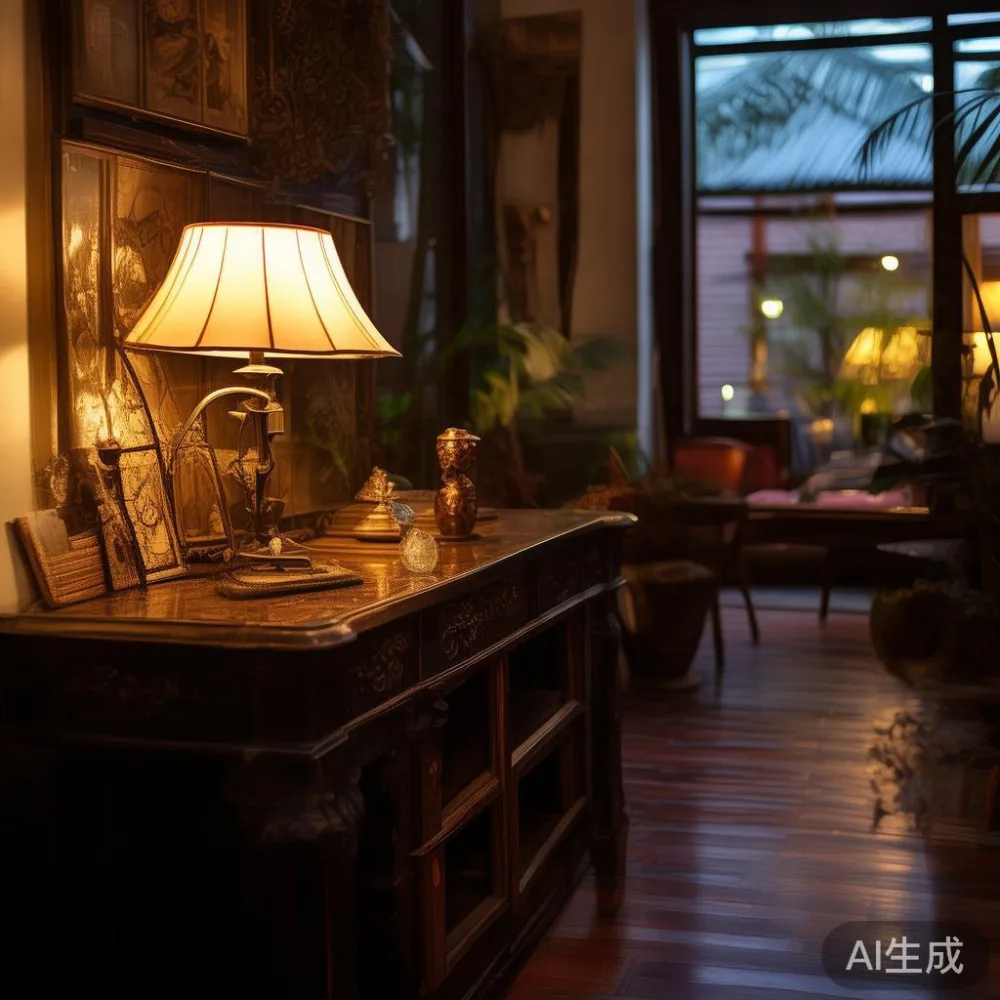
The aim is not to make a lacquered surface invulnerable. It is to protect it with a routine that takes about 10 minutes each week and prevents small problems from becoming permanent marks. For solid wood furniture, stable humidity matters as much as the lacquer itself. Wood can expand across its grain when it absorbs moisture, so a console table should be cared for as a wooden structure with a finished surface, not treated like glass.
MIDHILL makes lacquered solid wood furniture for homes in Singapore and more than 14 other export markets. Its console tables are backed by a 10-year structural warranty, with lifetime refinishing support available. Customers in Singapore also receive free shipping on orders above US$350, equivalent to about SGD 460 before GST, and 14-day returns. These are practical considerations when choosing a console table for a Tampines HDB flat, a Bedok condo, or a Punggol home where delivery access may involve lifts and narrow corridors.
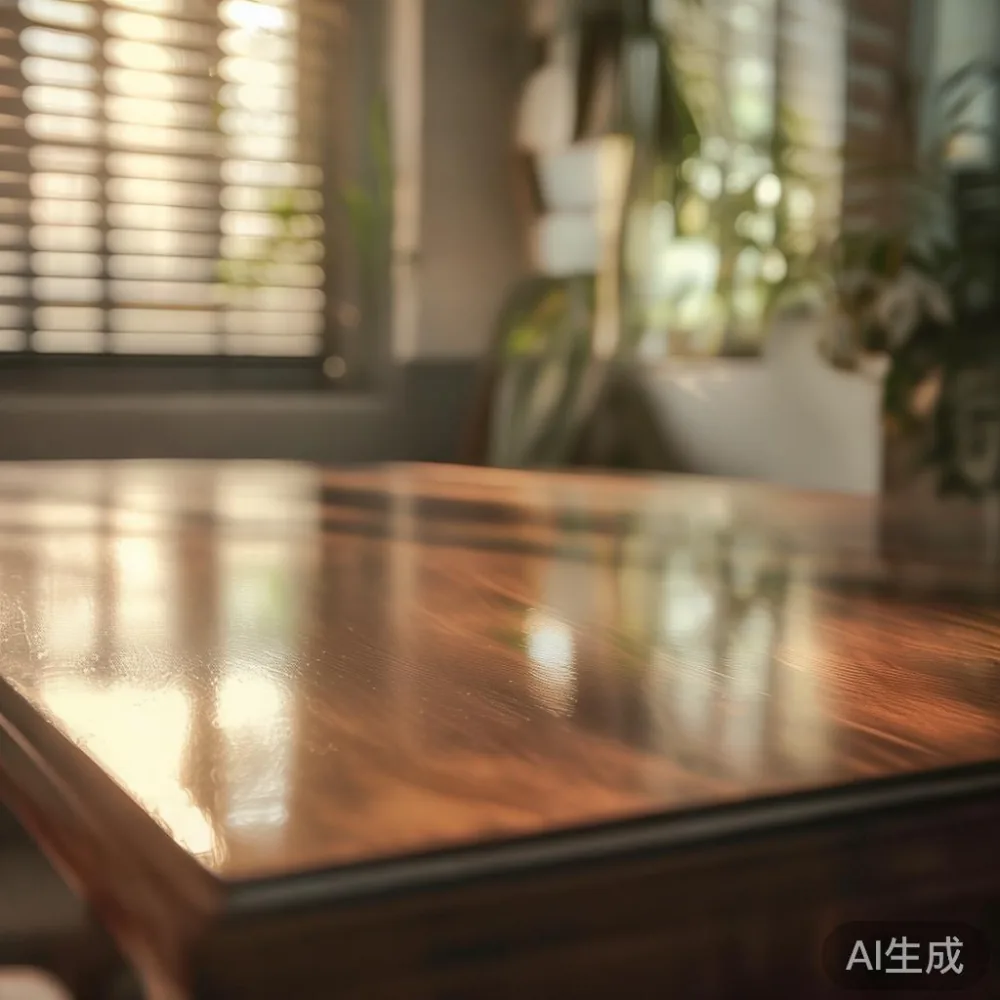
What Does Tropical Humidity Do to Lacquer and Solid Wood?
Humidity does not automatically ruin lacquer. A well-applied finish over stable solid wood can perform well, but heat and moisture can encourage checking, clouding, sticking, or finish wear. A dining spill left overnight may penetrate a microscopic break in the coating. A vase sweating water may leave a dull ring. Repeated cycles can also affect the underlying timber, especially in an area with a consistently high moisture content.
Singapore’s climate makes controlled indoor conditions important. Where possible, keep relative humidity between 45% and 60%. A digital hygrometer usually costs SGD 20 to SGD 50 and can be placed beside, not directly against, the console table. In a frequently used air-conditioned flat, the table may become too dry; in an unconditioned corridor or balcony-adjacent room, it may absorb more moisture. A small hygrometer makes these swings easier to identify.
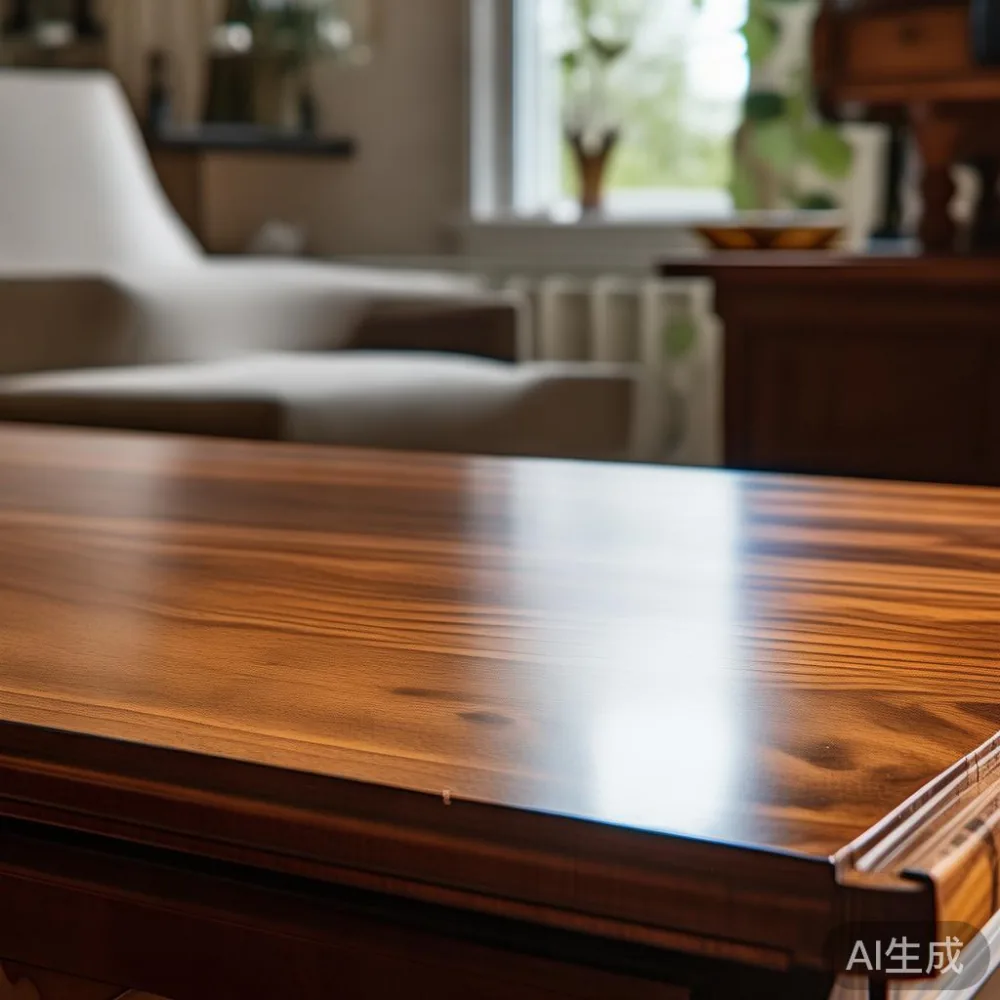
Temperature changes matter too. Aim for roughly 20–29°C and avoid placing a console table beside a west-facing window where a surface could reach 40°C. A gap of at least 60 cm from radiators, air-conditioning outlets, and strong direct sunlight reduces repeated thermal movement. These practices are helpful for a solid wood sofa, bed frame, dining table, wardrobe, or nightstand too, although each piece should still be positioned according to its own dimensions and use.
How Should I Care for a Lacquered Console Table?
Begin with a soft, lint-free cloth slightly dampened with warm water. Wipe in the direction of the grain, using light pressure of about 2–3 kg rather than scrubbing. Dry immediately with a separate clean cloth. This two-cloth method removes dust without leaving broad streaks across a high-gloss or satin lacquer.
For routine cleaning, use a pH-neutral wood cleaner diluted as directed. Apply it to the cloth rather than the table, then test an area about 5 cm by 5 cm. Avoid silicone, ammonia, degreaser, alcohol-based cleaner, bleach, and ordinary glass cleaner unless the lacquer manufacturer specifically approves them. Silicone residue is particularly troublesome because it can create a hazy patch and interfere with future refinishing.
Spills should be addressed quickly. Blot rather than rub, lift the solid residue with a clean cloth, and then wipe the area with the damp method described above. If the lacquer feels sticky, do not continue polishing it. Sticking may indicate moisture trapped under the film; moving the console table to a dry, ventilated space and contacting the maker can help determine whether the finish needs attention.
Which Cleaning Tools Work Best on a Glossy Finish?
Microfibre cloths are the most useful basic tools. Keep at least 3: one for dry dusting, one for damp cleaning, and one for polishing. Wash them without fabric softener, because softener deposits can attract dust and leave a film. Cotton cloths work too, but they need more frequent laundering, perhaps every 3 uses, to avoid returning grit to the surface.
A soft natural-bristle dusting brush can lift dust from carved edges or lacquered relief details. A small artist’s brush, about 10–20 mm wide, is useful around joints and narrow profiles. Neither should have hard bristles. For a marble table, by contrast, pH neutrality is equally important, but abrasive tools and acidic cleaners can dull the stone; that is a separate material system from lacquered wood.
Use a clean, white eraser for small marks only after testing. Traditional white erasers can contain abrasive particles, so rub lightly along the grain and stop immediately if the finish dulls. Clean erasers marketed for electronics are less aggressive, but they are still worth trying on an inconspicuous 5 cm square first.
Do not stack objects on a lacquered console table for long periods. A key tray should have soft feet, and a speaker or humidifier should stand on a barrier. A console table is not designed to carry the concentrated load of a television or a heavy aquarium. Check the product’s stated load limit before placing equipment on it.
How Often Should a Console Table Be Wiped Down?
A weekly wipe is usually enough for a lightly used entrance in Tampines or Punggol. Dust twice monthly if the table sits near a road-facing opening or in a busy condo corridor. Clean immediately after spills and after handling oily objects such as hand cream, cosmetics, or takeaway food. In practice, a short maintenance session every 7 days is more effective than leaving the surface untouched for 3 months and then attempting a heavy restoration.
Seasonal air-conditioning changes deserve special attention. During the hotter months, inspect the surface every 2 weeks for haze, tackiness, or tiny whitening marks. During cooler periods, check for fine checking around lacquer joints and edges. Singapore has no sharply defined winter season, but the monsoon period and daily air-conditioning cycles can still create noticeable indoor changes.
Track maintenance with a simple card beside the delivery paperwork. Record the date, product, cleaner used, and any change in sheen. If a mark appears, an early record can help a refinisher distinguish a cleaning issue from moisture-related movement. MIDHILL’s lifetime refinishing option is another reason to use non-damaging products and avoid acting on a mark with abrasive powder or a hard scraper.
Can You Use Furniture Polish on a Lacquered Console Table?
Only use polish if the console table’s care instructions permit it. Some traditional waxes and polishes can soften lacquer, leave a yellow tint, or make a surface slippery. A paste wax designed for lacquered wood may add sheen, but it can also collect dust along edges. If the finish is water-based, confirm compatibility before applying any oil, wax, or cream.
For a satin finish, no additional polish is needed. A properly cleaned surface should retain its intended appearance. For a gloss finish, use a lacquer-specific cleaner with a soft cloth, not a generic furniture oil. Apply no more than a pea-sized amount, roughly 0.5 ml, to a 30 cm by 30 cm section. Buffing for 30–60 seconds should be sufficient. If the result looks uneven, wipe it off rather than layering more product.
Light-luxury furniture depends on accurate material description. French light luxury, American light luxury, and post-modern light luxury can all suit a console table, but the finish should be described as lacquered solid wood rather than vaguely labelled “premium wood.” Buyers looking for a light blue luxury sofa, for example, need the same disciplined approach to colour and fabric care. A product labelled as a solid wood sofa should disclose the timber species, frame construction, finish, and dimensions rather than rely on a broad style label.
Does a Console Table Need Protective Pads and Coasters?
Yes, but the pad should be suitable for the lacquer and the object. Felt can catch grit if it is poorly maintained, while rubber may contain plasticisers that can stain or swell some finishes. A closed-cell, non-staining pad is generally safer under a ceramic vase or metal ornament. Replace a dirty pad every 2–3 months.
Coasters should be flat, with a rim large enough to contain condensation. A 10 cm coaster is useful for a drinking glass; a larger 12 cm coaster works better for a bottle or carafe. A decorative tray can provide a wider barrier, around 35 cm by 25 cm, but it should not trap water against the lacquer. Do not place a chilled bottle straight from a refrigerator on the table. Allow it to warm for 20–30 minutes and use a coaster or mat.
For floral arrangements, use a waterproof liner inside the vase. Remove flowers that release pollen or coloured sap. A humidifier nearby should be at least 1 m away, and the console table should not sit directly beneath it. These measures reduce the repeated wetting and drying that plain water in a vase can cause.
How Do You Move a Console Table Without Damaging It?
Check the route before delivery day. Measure the console table’s widest and tallest points, then compare them with the HDB lift door, lift car, corridor turns, and apartment entrance. A console table 120 cm wide may fit a 90 cm lift door only when turned diagonally, while a 160 cm unit may need the door held open. Add a margin of at least 5 cm rather than relying on a close visual estimate.
Ask the building management about protected moving hours and reserve the lift where required. Corridors shared with neighbours should be kept clear for at least 10 minutes. A delivery team may need 20–30 minutes for a standard unit, while a staircase or tight-turn installation can take 45–60 minutes. Protective floor covering and door-frame padding reduce the chance of marks during the move.
Before lifting, empty the console table, remove loose trays, and support it from underneath. Two people should handle a unit weighing more than 20 kg. A 120 cm console table may weigh 25–40 kg depending on its construction, while a narrower 80 cm version might weigh 15–25 kg. Never drag it by its legs or lacquered top. Lift it evenly, keep it upright where possible, and do not place the feet directly on wet flooring.
Singapore’s GST should be included in the final price rather than mentioned as an unexpected checkout addition. Local delivery may take 3–7 business days for stock, while a made-to-order finish can take 6–10 weeks. If the table must be assembled in a compact flat, measure the stairwell and landing before accepting delivery. This is especially relevant to a 2-room or 3-room HDB layout where furniture moves can require coordination with neighbours.
What Should You Do if the Lacquer Shows Haze, Marks, or Peeling?
Haze can sometimes be removed with a clean microfibre cloth and an approved cleaner. White rings from a wet glass may respond to gentle wiping along the grain. A mark that remains after 2 careful attempts should not be scrubbed harder. Excess pressure can abrade the lacquer, and solvent can strip it.
Peeling, lifting, or cracking around a joint needs a different response. Photograph the area in daylight, note the size, and stop placing objects nearby. Check whether the timber feels damp and whether nearby walls or floors show moisture. Make sure the console table is not receiving repeated water exposure, such as from a leaking air-conditioner or a plant that has been overwatered.
Small repairs are sometimes possible with lacquer repair pens, but matching sheen and colour is difficult on a large panel. A full refinishing service is more predictable. MIDHILL offers lifetime refinishing, allowing the original customer to return the piece for assessment and restoration where the product terms allow. Keep the purchase receipt, finish details, and maintenance record. A 10-year structural warranty covers the underlying construction, not every accidental scratch, so accurate documentation remains useful.
How Do You Choose Furniture That Will Age Well in Singapore?
Start with proportion, then examine construction. In a typical HDB living room, a console table 100–140 cm long often balances a compact sofa without crowding the passage. In a condo foyer, 120–160 cm can create a stronger arrival point. Allow at least 75–90 cm of circulation space in front of the unit. A console table deeper than 35–40 cm can reduce luggage clearance in a busy corridor, so check the intended location before ordering.
Solid wood construction should be identifiable, with stable joinery, sound drawer or shelf operation, and a finish applied over prepared timber. For related furniture, compare the solid wood sofa, bed frame, dining table, wardrobe, and nightstand using the same checklist: dimensions, moisture response, finish type, warranty, and after-sales support. These categories complement a console table as a coordinated solid wood collection, rather than competing with its function.
Some popular style terms require a closer look. If a homeowner asks how to choose French provincial sofa, the answer should cover seat depth, frame material, fabric durability, and cleaning rather than depend on the style name alone. A request for the best Post-modern bed for 2026 should lead to slat spacing, centre support, clearances, and mattress compatibility. Likewise, the best Modern light luxury wardrobe for 2026 should be judged on internal widths, hanging lengths, soft-close hardware, and ventilation.
Apartment-specific planning matters as well. For anyone asking how to style French provincial wardrobe in apartment, measure the bedroom door and lift dimensions before choosing an oversized unit. If the question is is Japandi wardrobe worth it, the practical answer depends on storage needs, available wall length, and the visual weight of the bedroom. The same principle applies to every finish: choose dimensions that the building can accommodate and maintain them with a realistic care routine.
What Is the Right Routine for a Console Table in HDB and Condo Homes?
Use a 4-step weekly routine. Dust with a clean, dry microfibre cloth for 2 minutes. Wipe with a lightly damp cloth and immediate dry buff for another 3 minutes. Inspect the finish under daylight for 2 minutes. Rotate objects and wipe their bases for 1 minute. Every 4–6 weeks, check the hygrometer and clean the underside and legs, where dust and moisture tend to collect.
For an entry console table, remove keys and handbags at least twice each week, then wipe any grease immediately. Keep a spare cloth and coaster near the unit. Avoid leaving wet umbrellas beneath it; drain them into a bucket and wait until they are fully dry. In a Bedok home close to the coast, check for salt deposits on nearby metal fittings and wipe them separately with a lightly damp cloth.
The most reliable protection is consistent control rather than a stronger chemical. Keep the table away from direct sun, contain condensation, maintain moderate indoor humidity, and use clean pads. A lacquered console table with solid wood construction can retain its refined character for years when treated as part of the home’s climate-management routine.