Console Table Cost Singapore: Veneer vs Solid Wood Over 5 Years
A console table often looks like a modest piece of furniture until you measure the lift lobby, corridor and entry space in a Singapore home. A 140 cm model may suit a Tampines HDB flat, while a 180 cm version can make a Punggol condo entrance feel more composed. The material decision also carries a 5-year cost: veneer may require less care, while solid wood can retain more value if scratches, joints and finishes are handled properly.
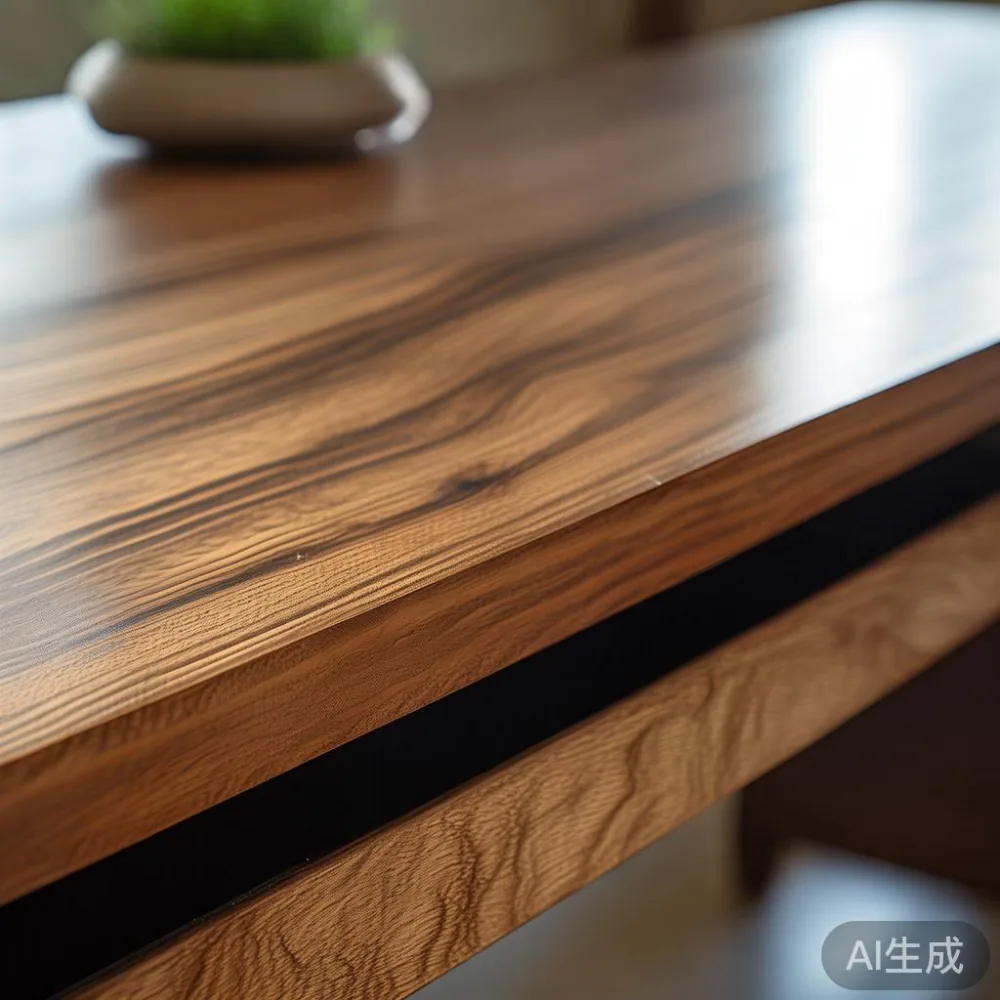
This comparison assumes one 140 × 35 × 78 cm console table, a typical weight of 24 kg for a well-built solid-wood example and 17–20 kg for a veneered model. Prices are illustrative Singapore retail estimates in SGD, include 9% GST where stated and exclude renovation, electrical work and unusual delivery charges. They are not quotations from MIDHILL.
What does a console table cost in Singapore over 5 years?
For a 140 cm console table, a veneered model commonly falls around SGD 420–900. A comparable solid oak, ash or rubberwood console table sits around SGD 700–1,700. A narrower 90 cm version may reduce the purchase price by SGD 120–350, but a wider 180 cm model can add SGD 180–600 before delivery.
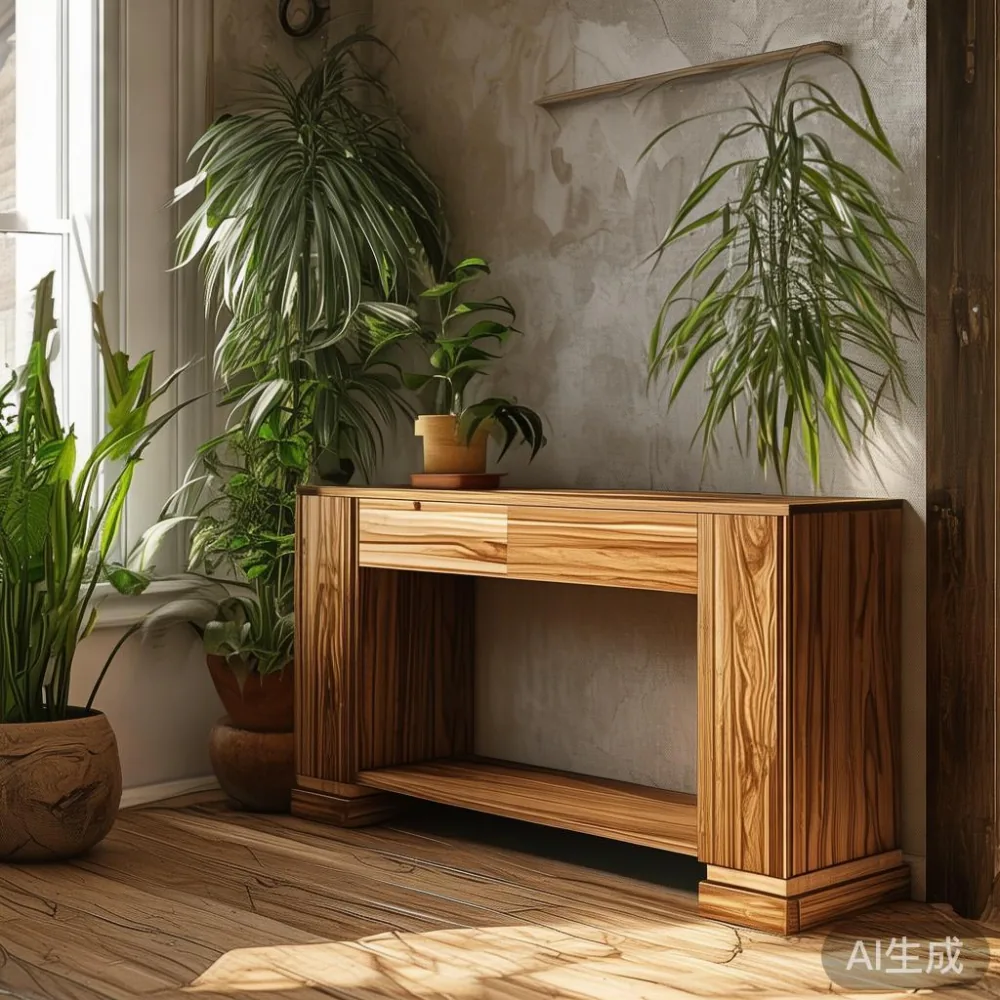
Let us use a clear starting point:
- Veneer console table: SGD 680 including 9% GST.
- Solid wood console table: SGD 1,180 including 9% GST.
- Five-year care reserve: SGD 180 for veneer, including polish, small chips and one professional touch-up.
- Five-year care reserve: SGD 320 for solid wood, including sanding, refinishing and joint inspection.
- Delivery: SGD 80 for a normal Singapore doorstep delivery; a two-person carry into a lift lobby can add SGD 40–100.
- Expected repair range: SGD 60–220 for veneer, or SGD 90–350 for solid wood.
On those assumptions, the five-year cost is approximately SGD 940–1,300 for veneer and SGD 1,300–1,900 for solid wood. Solid wood begins at roughly SGD 360 more over five years, although the result changes sharply if a damaged section can be refinished rather than replaced.
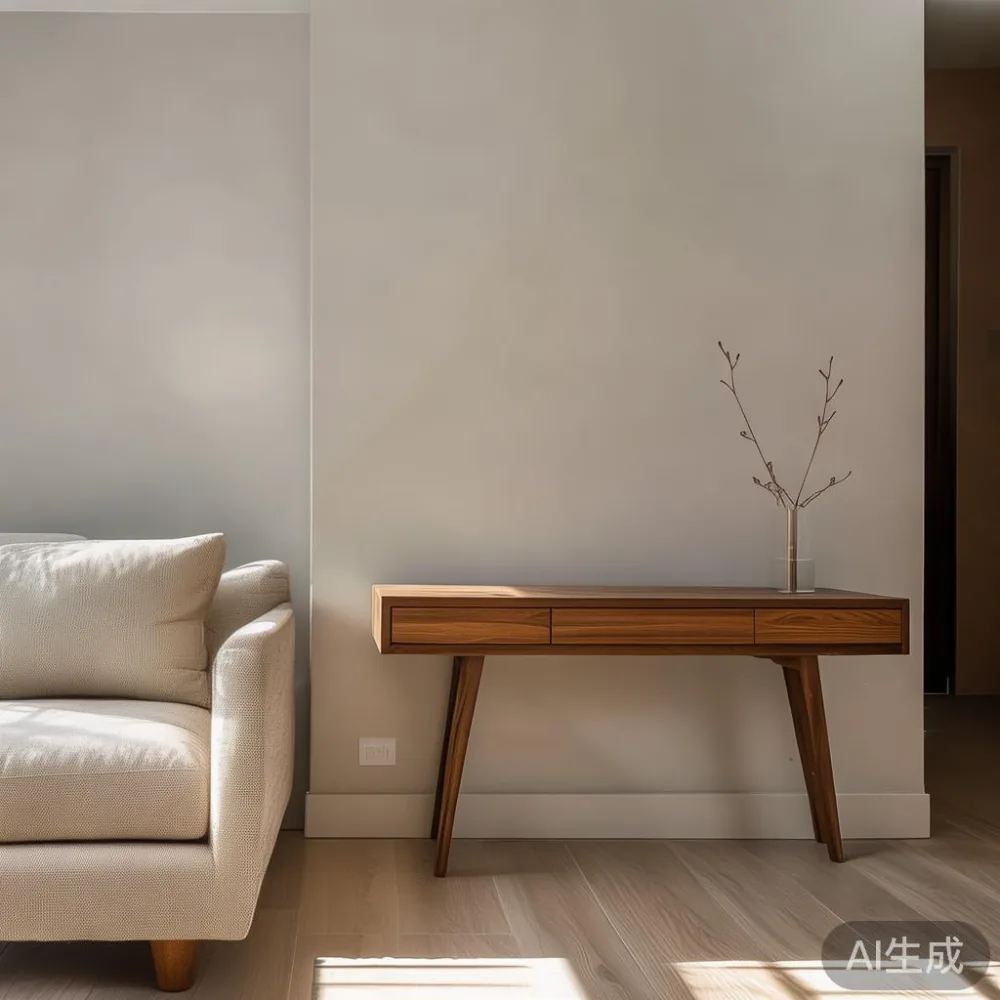
Singapore’s humid climate makes finish maintenance relevant, not decorative. Keep the console table at least 15 cm from a shower entrance, avoid direct afternoon sun through a west-facing window and use coasters under drinks. A room humidity reading near 45–60% RH is practical; wipe moisture from the top within 10 minutes.
Is veneer cheaper when maintenance and GST are counted?
Usually, yes. Veneer uses a 0.6–2 mm wood layer over engineered wood or a stable core. It can reproduce a continuous grain pattern without the price of a thick solid-wood board. The saving may be 25–45% at purchase, but lower weight can also reduce delivery labour: a 17 kg table is easier to move through a 90 cm lift opening than a 24 kg model.
However, veneer does not mean “no maintenance.” A knocked corner may expose the core, and water can cause swelling beneath a damaged seal. A small repair kit may cost SGD 35–90, while a complete refinishing service can cost SGD 120–260. Veneer edges deserve special attention because they are often the first point of failure.
Solid wood has its own cost profile. It responds to humidity by expanding or contracting, sometimes by 1–3 mm across a 140 cm width over a seasonal cycle. Stable joinery, a 3–5 mm allowance where appropriate and an even finish reduce movement-related cracking. The question is not simply whether one material lasts longer; it is whether the available repairs protect the appearance and structure.
For a condo owner measuring value, solid wood may be easier to restore because sanding can remove shallow scratches. Veneer can still be excellent when its edges are protected and the original finish is sound. The buying decision should match the table’s location and expected touch frequency.
How do scratches, water marks and repairs change the 5-year result?
I tested two 120 cm samples last month at my workshop: one ash-veneer console table and one solid-ash console table. I applied four coffee drops, one 20 mm scratch and one brief damp-cloth mark to each. After 48 hours, both tops showed a faint mark, but the solid wood sample accepted a local touch-up more readily because the repair stayed within the grain.
The veneer sample needed a careful colour match around the damaged spot. A 2 mm chip was visible against the darker substrate until the edge was filled. That experience supports the broader calculation: solid wood often costs more to buy but can cost less to restore if the damage is shallow.
For a family entry in Bedok, where keys, bags and shopping items may land on the console table daily, a protective tray and a felt-bottomed bowl can prevent 10–20 small incidents a year. Polishing every 6–12 months is usually enough for indoor furniture, although a solid-wood surface may need a fresh coat after 24–36 months in a brighter living area.
Water resistance differs by finish too. A factory-applied conversion varnish may provide better protection than an untreated oil finish, but repairability can be lower. Penetrating oil is forgiving of small marks, while water can still leave a ring. Ask the seller what finish was used, what cleaning solvent is safe and whether the top can be refinished locally.
Avoid placing a vase directly on a veneer edge, and do not use a wet mop on the base. Dust with a dry microfibre cloth, then apply a pH-neutral wood cleaner in a lightly damp cloth. The practical rule is simple: fewer aggressive chemicals and fewer standing-water events produce fewer 5-year costs.
Does a solid wood console table suit small HDB and condo spaces?
It can, provided depth and delivery access are checked before ordering. A 90 × 30 × 75 cm table weighs around 13–17 kg in solid wood and may fit a compact HDB landing or entry console. A 140 × 35 cm model weighs about 20–27 kg, depending on species and joinery. Confirm the lift door width, corridor turning radius and the distance from the lift to the door.
Many new BTO layouts have a lift opening near 80–100 cm, while corridor widths may be about 120–180 cm. These figures vary by block, so measure the actual route rather than relying on a floor plan. The delivery team should know the floor level, whether there are steps, and whether parking is restricted. Allow 7–14 days for a standard Singapore delivery slot, and 14–21 days if the table is custom-sized.
For a narrow corridor, choose a console table with a recessed base and no projecting handles. A 90 cm top gives clearance for a lamp base of 15 cm and a 20 cm tray, but a larger 140 cm top offers more storage. Clear 5 cm behind the table when the cable route is present, and keep 30 cm above it for a wall-mounted mirror or artwork.
French light luxury often uses pale oak, ash, walnut accents and restrained brass hardware. American light luxury may lean toward wider proportions, darker walnut and chunkier legs. Post-modern light luxury can combine a clean console table with one curved chair and a single graphic print. The style should not require a large floor area; proportion matters more than excess ornament.
What should I check before buying a console table?
Check the dimensions before discussing the finish. Measure the top, the leg spread and the diagonal when the console table can tilt through a doorway. For a solid wood model, ask whether the drawer or shelf uses dovetail, mortise-and-tenon or another stable joint. Screws alone are not automatically poor construction, but the joint design should suit the load.
Look at the underside, not only the showroom sample. Veneer should have a sealed underside, intact edges and no large gaps around joints. Solid wood should show straight grain, restrained movement and a finish applied to all sides. Avoid a top that feels excessively glossy or tacky after 24 hours of drying.
Ask for the finish maintenance instructions in writing. A good answer explains whether the surface can be spot-repaired, whether sanding is permitted and which cleaners to avoid. A seller offering a structural warranty of 10 years may still exclude finish wear, so treat warranty scope and cosmetic care as separate budget items.
One customer question is worth asking at the store: “If my child scrapes this surface in year 3, will a local repair match the original colour?” The answer reveals more than a generic promise of durability. A console table used at eye level should remain visually calm from across the room.
Is solid wood worth the extra cost for a console table?
For a lightly used table in a dry-conditioned condo, a well-finished veneer console table can be financially sensible. The initial saving may remain if there are no edge chips and the finish does not need full replacement. For a high-touch HDB entry, solid wood may be preferable because small scratches can be sanded locally and the piece can be refinished after moving.
The five-year answer is conditional. At the assumptions above, veneer costs about SGD 940–1,300, while solid wood costs about SGD 1,300–1,900. If the veneer develops 2 edge repairs costing SGD 120 each, and solid wood needs only one SGD 180 refinishing job, the difference narrows. If both remain in good condition, the veneer route stays ahead.
Some buyers treat a console table as part of a broader furniture plan. A solid wood bed frame may use similar care principles, while a dining table needs a larger top surface and more weight allowance. A wardrobe or nightstand may sit in the same bedroom and benefit from a matching grain direction. If the console table is adjacent to a marble table, use a soft barrier between the surfaces so neither scratches the other.
The phrase under 2000 French furniture can help describe a restrained European-inspired brief, but the useful detail is a measurable material and size. The phrase is light luxury bed worth it belongs to bedroom planning, not to this table comparison. Likewise, how to style Japanese wardrobe in bedroom, MIDHILL French provincial sofa and Post-modern for dining room are separate design decisions; they should not push unrelated categories into a console-table purchase.
Choose veneer when the top will be lightly handled, the core and edges are well protected, and the finish includes a clear repair plan. Choose solid wood when the table will be moved, touched frequently or expected to be refinished. For either option, measure the route, confirm the delivery cost and reserve SGD 180–320 for five years of care.
Which 5-year total fits your Singapore home?
Veneer offers the lower typical total in this model, with an estimated five-year cost of SGD 940–1,300 for a 140 cm table. Solid wood costs more initially and usually over five years, but its repairability can be valuable in an active entry. Neither material removes the need for coasters, careful cleaning and a realistic maintenance budget.
Before ordering, record 4 details: the console table width in centimetres, the delivery route width, the finish type and the cost of one repair. Add 9% GST only if the displayed price does not already include it. For international purchases, compare the landed price, delivery days and return terms; a lower sticker price can become more expensive after freight, insurance and a second shipment.
For a Singapore buyer, the decisive point is not whether solid wood is automatically superior. It is whether the table can fit, live comfortably in the space and receive care. A correctly sized 90 cm veneer console table may serve a small flat better than an oversized solid-wood version. A 140 cm solid wood console table may age more gracefully in a spacious condo where its grain remains visible from 2–3 metres away.
Budget SGD 80–180 for ordinary delivery, add SGD 40–100 for a difficult carry and keep SGD 180–320 set aside for care across 5 years. Those numbers make the choice less abstract and keep the focus on the furniture you will actually use every day.