The Art of Space: Styling a Small Singapore Apartment Without the Clutter
Living in a Singaporean apartment, whether it's a compact 4-room HDB flat in Tampines or a sleek condo unit in Punggol, presents a unique design challenge. The desire for a stylish, functional home often clashes with the reality of limited square footage. The narrow corridors of older HDB blocks, the tight lift spaces in condos, and the general premium on space here mean every piece of furniture must earn its keep. The goal is to create an environment that feels open, airy, and personal, not cramped, cluttered, or confining. This guide will walk you through practical strategies to achieve just that, focusing on smart furniture choices and clever design principles tailored to the local context.
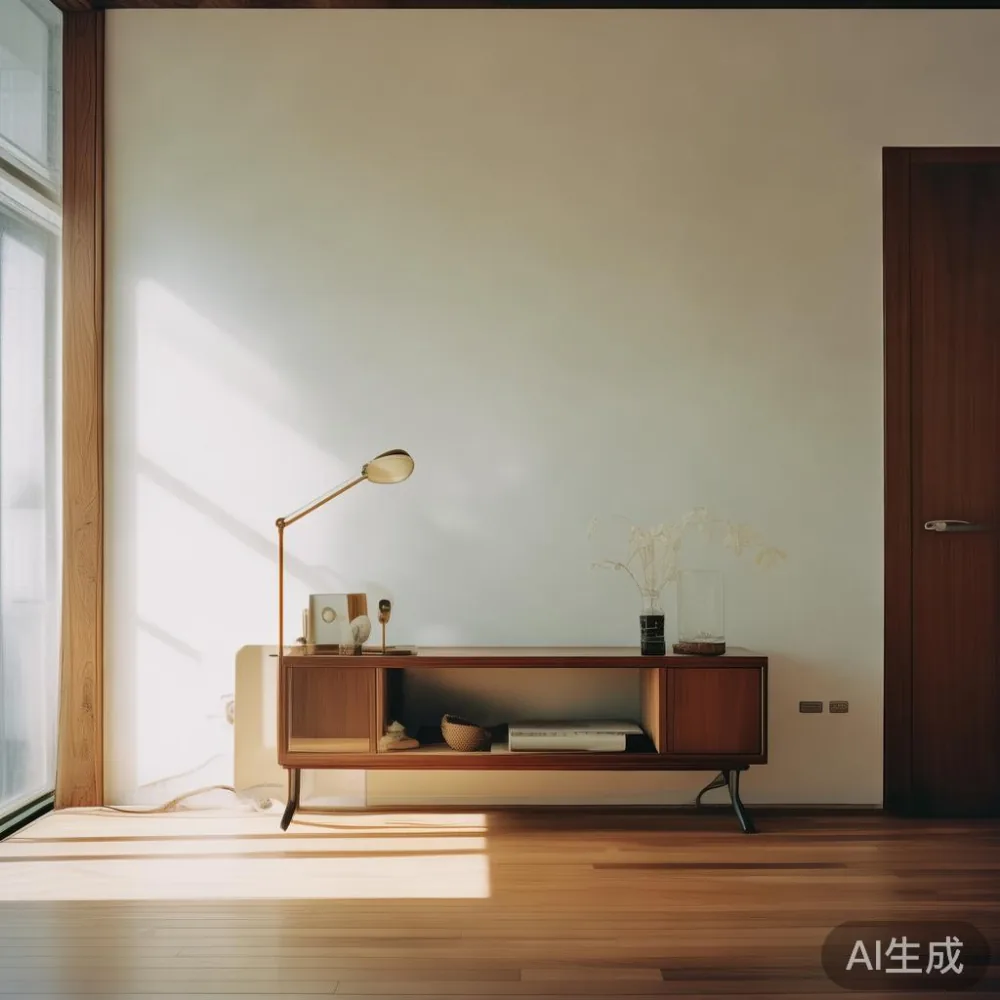
Measure Twice, Buy Once: The Singaporean Imperative
Before you even think about purchasing a single item of furniture, arm yourself with a tape measure. This is not a suggestion; it is a non-negotiable step in Singapore's space-conscious market. Measure your room's exact dimensions, including the width of your corridor and lift if you're moving in. A beautiful console table that looks perfect in a showroom can become an immovable obstacle in a 120cm-wide hallway. Note down the measurements in centimetres for precision. A common mistake is to underestimate the space a dining table or sofa occupies when chairs are pulled out. For instance, a standard dining table that is 180cm long might seem fine, but with chairs requiring another 60cm of clearance on each side, you need a space of at least 300cm long to be comfortable. When shopping online, don't just rely on the product dimensions; look for the depth of the console table, as it can protrude awkwardly into a walkway. This meticulous approach saves you from the headache of returns and the cost of disposal, which can easily amount to SGD 50 to SGD 100 for large items. Remember, GST is applied to all purchases, so the price you see is the final price, making a wrong choice an expensive one.
Is a rattan furniture worth the price in Singapore?
Yes, rattan furniture can be a worthwhile investment in Singapore's climate, provided you choose pieces designed for durability and style.
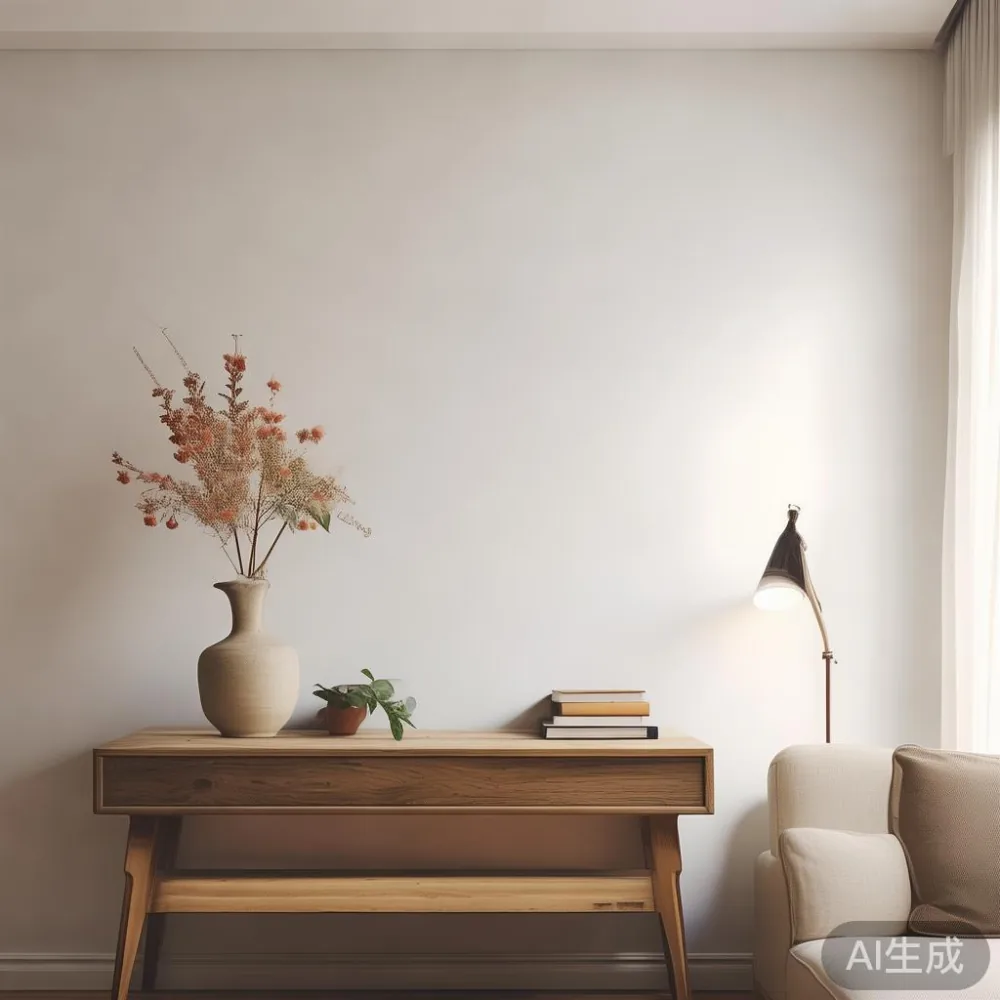
The appeal of rattan lies in its natural, airy texture, which can make a space feel lighter and more open, a significant advantage in small apartments. It evokes a light-luxury, resort-like aesthetic that is very popular in Singaporean condos, especially those near the waterfront. However, not all rattan is created equal. For the humid Singaporean climate, it is critical to select pieces with a synthetic rattan or high-quality natural rattan that has been treated with a protective sealant. Untreated natural rattan can warp, crack, or develop mould over time. The price for a good-quality rattan armchair can range from SGD 450 to over SGD 1,200. While the initial outlay is higher than mass-produced plastic alternatives, a well-made piece can last for many years. The key is to view it as a long-term investment in both style and function. A single statement rattan console table, for example, can create a visual anchor in a small entryway without adding visual weight, making the space feel larger than it is.
The Power of Verticality: Maximising Your Walls
When floor space is at a premium, the only direction to go is up. Walls are your most underutilised asset. Think of them as a canvas for creating storage and visual interest. Installing floating shelves is one of the most effective ways to do this. They provide storage for books, plants, and decorative objects without the bulk of a traditional bookcase. Place a console table below a set of floating shelves to create a cohesive vignette. The shelves draw the eye upward, creating an illusion of height, while the console table below grounds the space. For a more substantial storage solution, consider a tall, narrow wardrobe. A wardrobe with a height of 220cm can store the same amount of clothing as a wider, shorter one, but it takes up significantly less floor space. This is particularly useful in the bedrooms of HDB flats where space is tight. Another vertical strategy is to use tall, slender plants like the fiddle leaf fig or snake plant. They add life and colour to a room without encroaching on living areas. The key is to avoid cluttering the walls; a curated collection of a few shelves or art pieces is far more effective than a chaotic arrangement that makes the room feel smaller.
Multipurpose Furniture: The Singaporean Space-Saver
In a small apartment, every piece of furniture should ideally serve more than one purpose. This is the cornerstone of intelligent small-space living. A console table is a perfect example of this principle. It can be used as a decorative piece in an entryway, a small desk for working from home, or a buffet surface for serving food in a dining area. Look for console tables with built-in drawers or shelves to increase their storage capacity. Another excellent example is a storage ottoman. It can function as a coffee table, a footrest, and hidden storage for blankets, magazines, or board games. When choosing a dining table, consider a drop-leaf or extendable model. A console table can also be used as a narrow dining table for two people. For a larger gathering, you can unfold the leaves to create a more substantial surface. This flexibility allows you to adapt your living space for different needs without permanently dedicating a large area to a fixed-size dining table. When I tested a console table with a hidden storage compartment in my own 5-room flat in Bedok, I found it to be the perfect solution for storing mail and keys, keeping my entryway clean and clutter-free.
The Illusion of Space: Light, Colour, and Reflection
How a room *feels* is just as important as how much space it physically occupies. You can manipulate perception through the clever use of light, colour, and reflective surfaces. Light is the most powerful tool. A dark, cramped room will feel even smaller, while a bright, airy one will feel expansive. Maximize natural light by using sheer curtains instead of heavy drapes that block the sun. If your living room lacks natural light, invest in smart, layered lighting. Use a combination of overhead fixtures, floor lamps, and table lamps to create a warm and inviting atmosphere. A console table with an integrated lamp or a sleek marble top can reflect ambient light, brightening the corner it occupies. Colour also plays a significant role. Light colours, especially whites, soft greys, and pastels, reflect light and make walls feel receded, creating a sense of depth. Painting a small room in a light colour can make it feel significantly larger. Conversely, dark colours absorb light and can make a space feel more intimate or, if overdone, oppressive. If you love dark colours, use them as an accent on a single feature wall or on smaller pieces of furniture like a nightstand, rather than on all four walls. Finally, incorporate reflective surfaces. A large mirror placed opposite a window can bounce light around the room and create the illusion of a second window, doubling the sense of space. A console table with a mirrored or high-gloss finish can have a similar effect, adding a touch of glamour and lightness.
Curating Your Space: Less is More
The ultimate secret to styling a small apartment without making it feel crowded is to edit your possessions. This is not about living with nothing, but about living with what you truly love and need. Adopt a 'less is more' philosophy. Start by decluttering ruthlessly. For every new item you bring into your home, consider removing an old one. This prevents accumulation and keeps your space feeling fresh. When decorating, focus on quality over quantity. Instead of filling every surface with small, knick-knack ornaments, choose a few larger, more meaningful pieces. A single piece of art on a wall is more impactful than a dozen small frames. When selecting furniture, think about its visual weight. A solid wood sofa with clean lines will feel less imposing in a small room than a bulky, overstuffed one. A streamlined bed frame with legs that allow you to see the floor underneath will make a bedroom feel more spacious than a heavy, platform-style bed. Be intentional about every purchase. Ask yourself if the item serves a purpose and brings you joy. This mindful approach to curation ensures that your home is not just a collection of furniture, but a personal sanctuary that feels both spacious and deeply satisfying.