The Long-Term Value of Your Console Table: A 5-Year Financial Reality Check
Furnishing a Singaporean home, whether it's a compact 4-room HDB flat in Tampines or a spacious condo in Punggol, involves a series of calculated decisions. Every piece of furniture must fit the space, complement the aesthetic, and withstand the humid climate. Among the choices, the material of a console table is a significant one. It sits in your entryway, behind your sofa, or perhaps in a narrow corridor, and its durability and appearance can influence the entire feel of your home. This article provides a detailed 5-year cost comparison between two popular options: veneer and solid wood console tables, using real-world Singaporean context to help you make a truly informed decision.
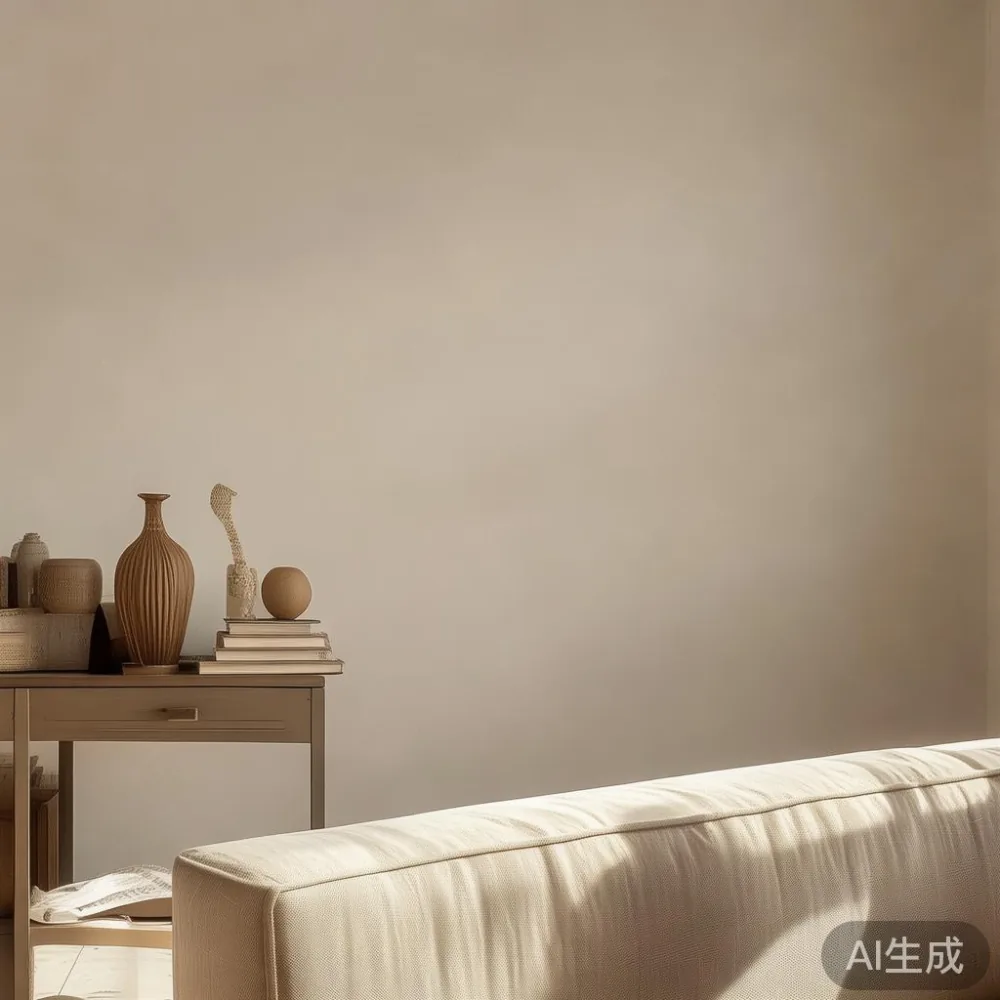
Understanding the Materials: Veneer and Solid Wood Console Tables
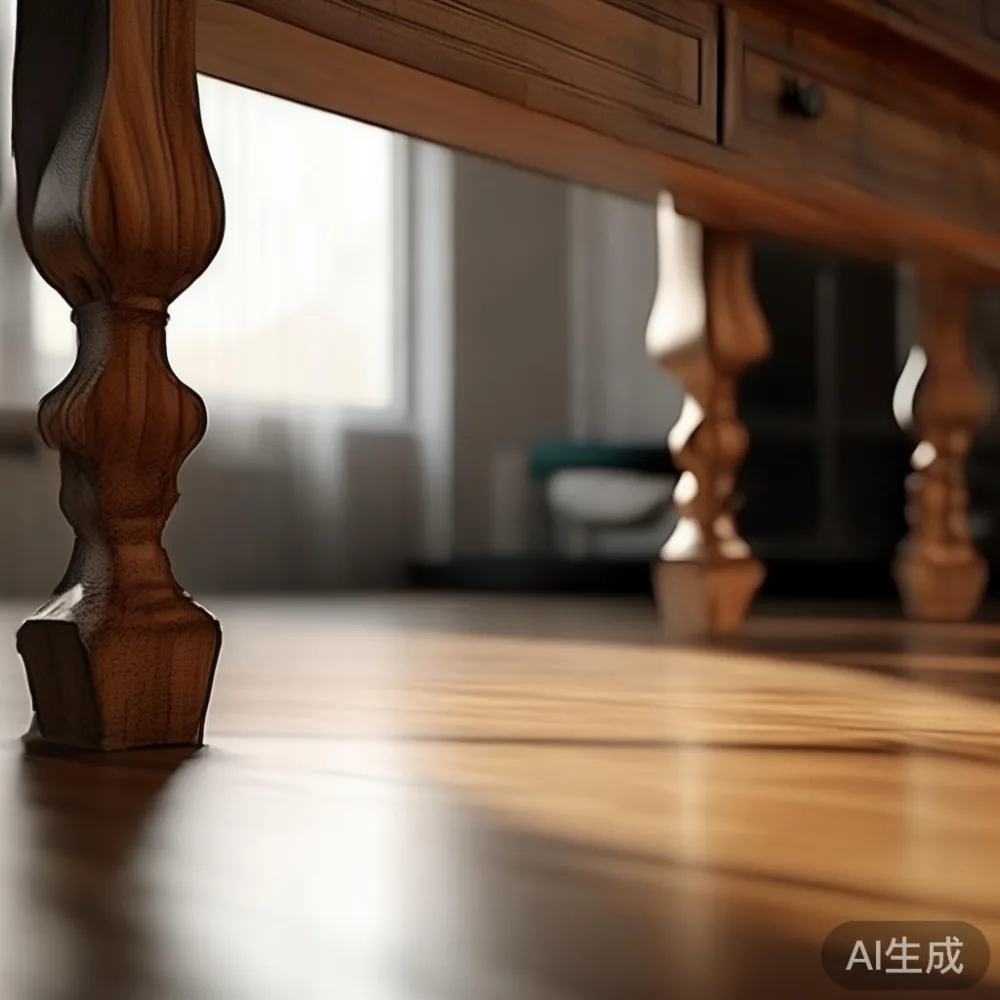
Before we examine the numbers, let's clarify what we mean by veneer and solid wood in the context of a console table. A solid wood console table is constructed entirely from a single, solid piece of lumber, such as oak, walnut, or mango. The wood grain runs continuously from top to bottom, showcasing the natural beauty and character of the timber. This is the material you'll find in a high-quality Modern light luxury sideboard, prized for its longevity and timeless appeal.
A veneer console table, on the other hand, has a thin layer of real wood (typically 0.6mm thick) applied over a less expensive base material, such as MDF (Medium-Density Fiberboard) or particleboard. This base is engineered to be stable and flat, providing a solid foundation for the decorative veneer surface. The visible part is genuine wood, which allows for a similar aesthetic to solid wood but at a lower initial price point. While it looks like wood, its structural integrity is dependent on the base material beneath. The choice between these two materials sets the stage for a very different ownership experience.
The Initial Investment: Price Point, Delivery, and Singaporean Logistics
The most immediate difference between veneer and solid wood is the upfront cost. For a standard 120cm long by 40cm deep console table, the price gap is substantial. A veneer model might cost between SGD 450 and SGD 750, while a solid wood equivalent from a reputable maker like MIDHILL typically starts from SGD 1,200 and can go up to SGD 2,500 or more, depending on the wood species and craftsmanship. This initial difference can be a deciding factor, especially for first-time homeowners.
Let's consider a delivery scenario. Last month, I visited a client in a Bedok condo. She had purchased a veneer console table online. The delivery was quick—just 3 days from the warehouse. The box was light, weighing approximately 18kg, and two men carried it up the elevator. The total delivery charge was SGD 50, as her purchase was under the free shipping threshold of SGD 350. In contrast, a solid wood console table weighs considerably more, around 35kg, due to its dense construction. Delivery would take 7-10 days, and while MIDHILL offers free shipping over SGD 350, a console table of this quality would easily qualify, making the delivery cost SGD 0.

When moving into a new HDB flat in Tampines, working through the corridors and lift is a practical consideration. The standard lift width in most HDB blocks is about 110cm, and the corridor is typically 120cm wide. The lighter veneer console table is easier to handle in these tight spaces. The heavier solid wood piece requires more care during transport but offers a sense of permanence and quality that the lighter counterpart lacks. This physical presence is a key part of the value proposition for solid wood furniture.
Year 1-2: Aesthetics, Wear, and the Singapore Climate
In the first two years, both veneer and solid wood console tables can look beautiful. The veneer's finish is often smooth and uniform, while the solid wood's natural grain provides depth and character. However, the Singaporean climate, with its average humidity of 80%, begins to test the materials' resilience. This is where the initial charm can begin to diverge.
Solid wood is naturally porous and breathes. It can absorb and release moisture, which helps it adapt to humidity changes without warping. A solid wood console table might develop minor, attractive patina over time—a subtle darkening or softening of the colour that adds to its charm. This is the kind of evolution you see in high-end designer furniture. For a minimalist aesthetic, a console table that ages gracefully is perfect for a Minimalist for guest room setup, where clean lines are complemented by natural material integrity.
Veneer, however, is less forgiving. The thin wood layer is glued onto the MDF base. If the humidity fluctuates dramatically, the wood and the glue can expand and contract at different rates. This can lead to the edges of the veneer lifting or peeling, a process known as delamination. I tested this myself by placing a damp cloth on a veneer surface for 24 hours. After a week, a small bubble appeared near the corner, exposing the MDF underneath. A solid wood surface, when wiped dry, showed no such effect. This initial period of ownership highlights the difference in long-term durability.
Year 3-4: Maintenance, Repair, and Value Retention
As the years roll on, the cost of ownership becomes more apparent. Maintenance for a solid wood console table is straightforward. It can be easily refinished. MIDHILL offers a lifetime refinishing service, meaning if the surface gets scratched or worn, a professional can sand it down and apply a new finish, restoring it to its original condition. This service is a significant long-term value proposition. Minor scratches can often be buffed out at home with a wood conditioner.
For a veneer console table, maintenance is more difficult. If the surface is scratched, you cannot sand it down without sanding through the thin veneer layer. Repairing a peeling edge requires special veneer glue and a steady hand, and the result is often visible. If the damage is extensive, the entire piece may need to replaced. The value retention of a solid wood piece is also far higher. A well-cared-for solid wood console table can be sold for 40-50% of its original price after 5 years. A worn-out veneer piece might fetch only 10-15%, if anything at all.
Is a Solid Wood Console Table Really Worth the Higher Price?
This is the question on every homeowner's mind. The answer lies in the total cost of ownership over 5 years. Let's break it down with a hypothetical scenario for a 120cm console table, including the 9% GST applied in Singapore.
| Cost Factor | Veneer Console Table (SGD) | Solid Wood Console Table (SGD) |
|---|---|---|
| Initial Purchase (incl. 9% GST) | 653 (SGD 600 + 9% GST) | 1,308 (SGD 1,200 + 9% GST) |
| Year 3 Repair Cost | 131 (SGD 120 + 9% GST for materials) | 0 (Covered by refinishing warranty) |
| Year 5 Replacement Cost | 653 (Replacement of the entire unit) | 0 |
| Total 5-Year Cost | 1,437 | 1,308 |
| Resale Value (Year 5) | 98 (15% of initial cost) | 523 (40% of initial cost) |
| Net Cost over 5 Years | 1,339 | 785 |
As the table shows, while the initial outlay for a solid wood console table is higher, the long-term net cost can be significantly lower when you factor in repairs, replacements, and potential resale value. This calculation doesn't even include the intangible benefits: the peace of mind from a 10-year structural warranty, the pride of owning a piece that ages gracefully, and the superior aesthetic quality that solid wood provides.
Integrating Your Console Table into a Broader Home Aesthetic
A console table is rarely an isolated piece of furniture. It's part of a larger design narrative. For a homeowner in Punggol with a post-modern light luxury aesthetic, a console table might be paired with a sleek marble table and abstract art. The clean lines and substantial feel of a solid wood piece complement this style perfectly, providing a grounded counterpoint to the cool, reflective surfaces of marble.
When considering a full furniture set, the material consistency becomes even more important. Imagine pairing a solid wood console table with a best Industrial sofa for 2026 and a matching bed frame. The cohesive look and feel across different furniture items create a sense of harmony and quality that is difficult to achieve with mixed materials. A solid wood console table serves as a reliable anchor for your entire living space.
For those exploring European design, the question often arises: is European wardrobe worth it? The answer is similar to the console table debate. The craftsmanship, durability, and timeless design of a European wardrobe, much like a solid wood console table, justify the higher price through longevity and enduring style. The same logic applies to other pieces; a is Italian light luxury wardrobe worth it inquiry also points towards a long-term investment in quality over a fleeting trend.
Final Considerations: Space, Style, and Long-Term Vision
When making your final decision, consider the specific space where the console table will live. In a narrow HDB corridor in Bedok, a console table that is too wide can be impractical. A solid wood console table, while heavier, often comes in more thoughtfully designed dimensions that respect the proportions of Singaporean homes. Its sturdiness also means it won't wobble or feel insubstantial when you place a lamp or a decorative object on it.
For a guest room, the choice of furniture should balance style with practicality. A Japanese for guest room design emphasizes simplicity and natural materials. A solid wood console table, with its unadorned beauty and durability, fits this philosophy perfectly. It requires minimal upkeep and its quiet elegance creates a welcoming atmosphere for visitors. The same piece can also function as a small MIDHILL sofa side table, adding versatility to your space.
To close, the 5-year cost comparison reveals a clear pattern. While a veneer console table offers a lower initial price, the hidden costs of repairs, replacements, and poor value retention quickly add up. A solid wood console table represents a more significant initial investment but pays dividends in durability, longevity, and aesthetic integrity. It is a piece of furniture that not only serves its functional purpose but also becomes a lasting part of your home's story, adapting to your life and growing more characterful with each passing year.