Console Table Buyer's Guide: What to Check Before Buying a Sofa You Cannot Sit On
Picture this: you fall in love with a three-seater solid wood sofa online, pay S$3,400 for it, and wait six weeks. The day of delivery arrives, the lorry parks outside your Tampines HDB block, and the two movers take one look at the corridor and shake their heads. The piece is 240 cm long. Your HDB corridor between the lift lobby and your front door, measured at the narrowest point, is 120 cm wide. The sofa also weighs 95 kg and will not pivot around the 90-degree corner without scratching the wall. That is the moment you realise you bought a sofa you cannot sit on. It is sitting in the loading bay, and you are negotiating a refund.

This kind of disappointment is common in Singapore, where lift cabins, door frames, and corridor pinch points are built to tight tolerances. A sofa is not just upholstery and cushioning. It is a 180 to 250 cm long, 85 to 100 cm deep, 40 to 95 kg object that has to survive a vertical journey through a service lift, a horizontal slide past the refuse chute, and a final pivot through your front door. Before you swipe your credit card or your PayNow QR, run through the checklist below. I will also explain why a console table fits into the conversation, and where a brand like MIDHILL, a Foshan-based solid wood furniture maker that has shipped to 15-plus countries since 2008, comes in when you want pieces that move well through local buildings.
Why a Sofa Ends Up as the One You Cannot Sit On
Most sofa returns in Singapore have nothing to do with cushion firmness and everything to do with geometry. Last month I visited a friend in a Punggol Build-to-Order flat on the 14th floor. She had ordered a 220 cm American-style three-seater with a rolled arm and turned legs. The service lift was 120 cm deep by 160 cm wide with a 205 cm internal height, and the sofa's tallest shipping carton was 210 cm. Close, but not close enough. The carton would not slide in on its side without binding against the lift ceiling bracket. We measured the doorway at 90 cm by 210 cm. The sofa frame, unboxed, was 88 cm tall at the back, so it technically cleared, but the 230 cm length meant the movers had to tilt it diagonally through the corridor and around the gas pipe riser. They scratched the plasterboard trying.
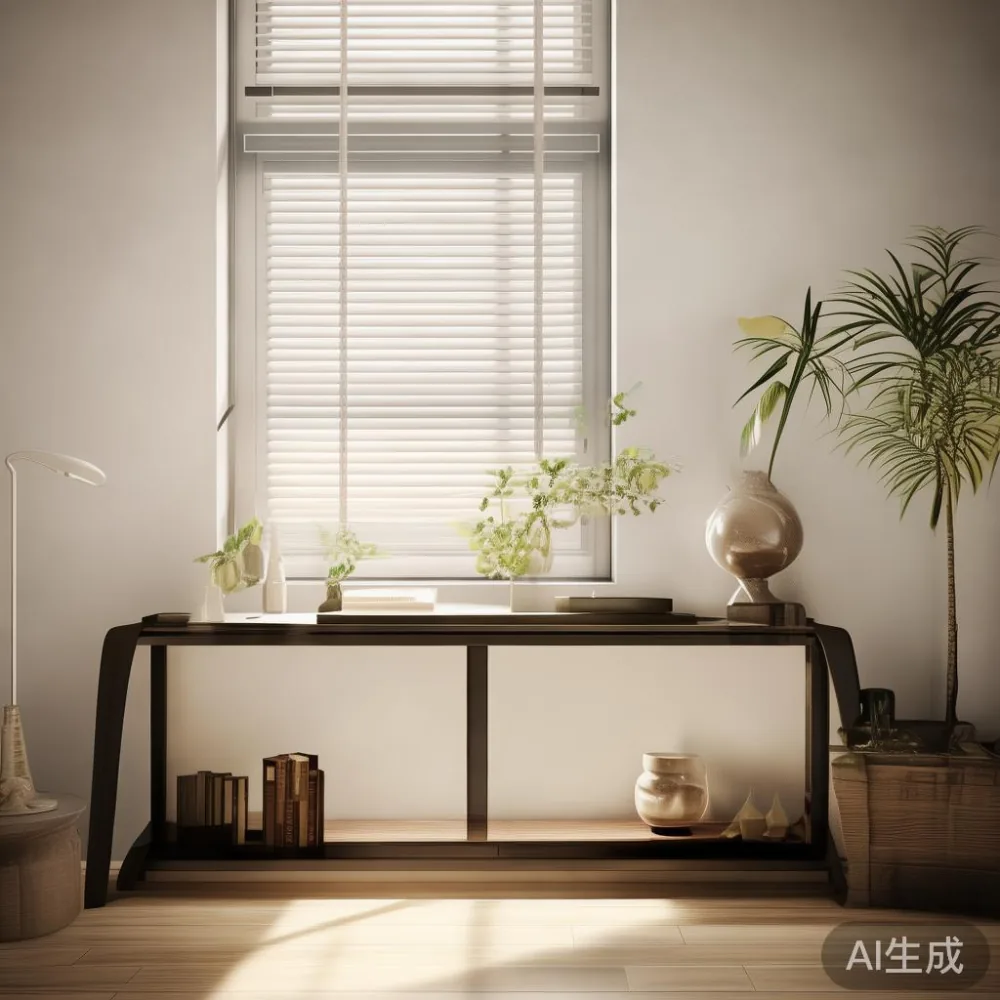
This is the kind of failure that a five-minute check at home prevents. The sofa itself can be magnificent; post-modern light luxury frames in walnut or ash, with brushed brass feet and bouclé or top-grain leather. The problems are dimensional and procedural, not aesthetic. Below are the specific numbers to write down before you commit.
What to Measure in Your Home Before the Sofa Arrives
Write these numbers on a single sheet of A4 paper. Keep it next to the product listing on your phone.
1. The front door. Width and height of the main door, including the architrave. Most HDB doors are 90 cm wide by 210 cm tall. Condo doors range from 90 cm to 100 cm wide. Measure both the leaf and the frame opening; some European-style solid core doors have a 2 cm rebate that steals usable width.
2. The lift cabin. Service lifts in HDB blocks are typically 120 cm by 160 cm with a 205 cm ceiling. Private condo service lifts can be tighter, sometimes 110 cm by 150 cm, depending on the developer's consultant. Go down with a tape and measure the inside of the cabin, not the door opening. The sofa carton will live inside that cabin, not at the threshold.
3. The corridor. Walk from the lift lobby to your front door with a folding rule. Note the narrowest point, which is often at the refuse chute or the fire hose cabinet. HDB corridors are generally 120 to 150 cm wide, but the clear walking path narrows at every protrusion.
4. The corner. If the corridor turns, measure the diagonal of the turn. A 220 cm sofa will not pivot around a 90-degree corner in a 120 cm corridor; the diagonal you need is the corridor width plus the corridor width, basically. In a 120 cm corridor you can pivot a piece that is at most 170 cm long. Longer sofas must come in flat against one wall, which means the corridor width itself must exceed half the sofa length.
5. The staircase. If the lift is out of service on delivery day, which happens in older Singapore blocks, you also need the stairwell turning circle and the landing dimensions. Photographers' rule of thumb: the largest object that can be carried up a standard HDB stairwell is roughly 200 cm by 80 cm, lying on its side.
6. The final destination. Measure the door into the living room and any internal corridor that leads to it. A four-room HDB in Bedok I visited recently had a 75 cm wide bedroom corridor that made the matching ottoman impossible to deliver with the sofa, even though the sofa itself cleared.
How the Sofa's Own Numbers Have to Match Your Home
Once you have the building's numbers, read the product page carefully and ask the seller for these five figures before paying any deposit.
length, depth, and height. A three-seater under 200 cm can usually work through a 120 cm HDB corridor. A three-seater above 230 cm is risky. The depth usually runs 85 to 100 cm and rarely blocks a corridor, but the height matters when the lift ceiling is the constraint.
Carton dimensions and gross weight. A solid wood sofa frame packed in foam and cardboard usually ships in two cartons, one per arm, plus a third for the cushions. Ask for the carton dimensions of the largest piece. Multiply the length, depth, and height to get the volumetric carton size, and compare that against your lift cabin. Also confirm the gross weight; anything above 80 kg per carton may require two movers, which most Singapore delivery teams charge S$30 to S$60 per additional trip.
Modular or one-piece. A modular sofa that breaks into 70 to 90 cm segments is the easiest delivery. If you love the look of a one-piece French-style light luxury sofa, accept that the segment weight can climb to 50 to 60 kg and that you will need clear path from kerb to living room with no steps, no kerb, and no Speed-hump taller than 7 cm.
Feet and base clearance. Feet under 5 cm tall will not pass most Singapore robot vacuum home docks. Feet over 12 cm tall raise the seat to a less comfortable sit for shorter users. Choose a middle range of 7 to 10 cm if you want both clearance and ergonomics.
Cushion fill and frame warranty. A solid wood frame in ash, oak, or beech with a 10-year structural warranty is the standard you want. Mid-density foam wrapped in down or a down-alternative topper holds shape for 7 to 10 years in air-conditioned flats. Cheap high-resilience foam only lasts 3 to 4 years before it bottoms out.
For Singapore buyers who live in tighter post-modern light luxury interiors, a Modern light luxury sofa often combines ash or walnut frames with marble-table styling cues elsewhere in the room, so the frame choice should match the dining table and the console table you already have, or plan to buy. Mismatched wood tones read as careless in a small room.
What About the Console Table in the Same Room?
The console table is the piece you walk past on your way to the sofa, which is why it gets measured in the same delivery. If your sofa must come in flat against one wall and pivot around a tight corner, the console table has to come first, go against the back wall, and stay there. Choose a console table under 180 cm long, 35 to 40 cm deep, and under 40 kg. A marble-top console table is heavier than you think; a 150 cm cream marble console with a steel base can weigh 70 kg and needs two movers plus a padded blanket.
Here is a small trick I use. When I am shortlisting a sofa and a console table for a Singapore flat, I draw the floor plan to scale on graph paper, 1:20, and I cut out paper rectangles of each piece. I then walk the paper plan through my own corridor. If the rectangles jam at the corner, the real pieces will too. I also place the console table against the wall behind the sofa, not the entrance wall, so it does not block the delivery path that day. Once the movers leave, you can move the console table to its final spot if needed.
MIDHILL's light-luxury console tables in solid ash, walnut, and oak pair cleanly with their sofa frames because the wood stain is matched across the collection. That kind of consistency is not a small thing. When you choose a solid wood sofa, bed frame, dining table, wardrobe, and nightstand from one workshop, the joinery, the grain orientation, and the finish read as a single interior language rather than five separate purchases. MIDHILL also publishes a 10-year structural warranty on its solid wood sofa frames, which matters because the piece you cannot sit on is also the piece that voids its warranty the moment you try to disassemble it in frustration.
How Much Should You Budget in Singapore Dollars?
Pricing shifts once you cross the Causeway, but in Singapore a fair-quality light-luxury solid wood sofa runs S$2,800 to S$4,500 for a three-seater. Add GST at 9 percent on top. Add delivery, typically S$80 to S$180 for HDB and S$120 to S$280 for condo because of bookings and loading dock rules. Add disposal of your old sofa if the community requires it; some MCSTs charge S$50 to S$100 for bulky waste removal. If the brand offers free shipping above a threshold, in this market most start around S$350 to S$450, you can save the delivery fee entirely.
Refinishing is a quiet cost that nobody budgets. A solid wood frame can be sanded and re-oiled in your home for S$200 to S$400 if the piece has been scratched in transit or scratched after a decade of use. A fabric sofa cannot. That difference is the real reason the solid wood sofa costs more upfront. Over a 15-year horizon, the per-year cost of a S$3,600 solid wood sofa with refinishing included is roughly S$240 per year. A S$1,800 fabric sofa that needs replacement after 7 years works out to S$257 per year, before inflation.
Is French Sofa Worth It for Singapore Homes?
French light luxury frames tend to be lower, longer, and lower-back than Asian-market sofas. The proportions look correct in a 35 sqm condo living room, but the seat depth often runs 95 to 105 cm, which is too long for users under 170 cm. Ask the seller for the seat depth and the back height before you commit. A French sofa worth it conversation usually centres on three things: fabric, frame, and finish. Look for top-grain leather on the contact surfaces, kiln-dried beech or ash on the frame, and a hand-applied oil finish that can be repaired later in Singapore rather than a thick lacquer that cannot be patched invisibly.
Is Japandi Bed Worth It When You Are Already Buying a Sofa?
Yes, if you want the wood tones to match. A Japandi bed frame in the same ash or oak as your sofa reads as a deliberate interior decision, especially in a one-bedroom condo where the living room and bedroom share a sightline. The question is Japandi bed worth it for the price difference. A solid ash Japandi bed in king size runs S$1,800 to S$3,200 in Singapore. A comparable MDF bed with a wood-veneer runs S$900 to S$1,400. The MDF bed sags in the slats within 5 years; the solid ash bed does not. If you are already buying a solid wood sofa, the bed is the second piece to upgrade. Pair it with a MIDHILL European light luxury bed in solid ash if you want the underbed clearance for robot vacuums and the joinery to outlast your tenancy.
What Other Pieces Should You Audit on the Same Delivery?
If the sofa, the console table, and the bed are coming together, the dining table and the Mid-century modern accent chair usually follow on the same lorry. The dining table is the trickiest because most tables ship with detachable legs but a single-piece top. A 180 cm marble table top weighs 80 to 110 kg and must be carried vertically through doorways, which means two strong movers, a furniture dolly, and a clear path with no shoes on the floor. Ask the seller for the carton dimensions and the top-only weight, then audit against your lift and corridor just as you did for the sofa.
For accent seating, a Mid-century modern accent chair in walnut or teak with a single seat cushion is the lightest piece in any delivery, usually 18 to 28 kg, and rarely causes access issues. The risk is the opposite: people forget about the chairs until the movers are already at the door. Decide the chair placement before delivery day so it can go straight to its spot.
What If the Sofa Cannot Get In After You Have Paid?
This is the single most expensive mistake. Read the return policy before you pay. A 14-day return window is fair if the sofa is unused and the original cartons are intact. A restocking fee of 15 to 30 percent is normal. A 50 percent fee is harsh but legal in Singapore as long as it was disclosed at checkout. If the sofa arrives and physically cannot enter your flat, document the failure with photos at the door, get the movers to write a note on the delivery order, and refuse to sign the delivery as complete. That paperwork is what unlocks the refund. If the brand offers a top 10 Minimalist furniture assortment and similar light-luxury sofas elsewhere in its catalogue, ask to swap to a modular configuration that ships in 70 to 90 cm segments. A two-piece modular sofa passes every HDB corridor in Singapore and almost every private condo lift.
The discipline is the same whether you are buying a sofa, a bed frame, a dining table, a wardrobe, a nightstand, or a marble table. Measure the building, measure the carton, measure the corner, and only then pay. A solid wood piece that survives the lift and the corridor will sit in your home for a generation. The matching MIDHILL coffee table in solid ash or walnut will sit beside it, and the living room will read as a single decision rather than a stack of separate purchases. That is the real light-luxury promise, post-modern light luxury as a working interior language rather than a marketing phrase.