The Real Cost of Solid Wood: What Actually Drives the Price of Console Tables
For many homeowners in Singapore, a console table is more than just a piece of furniture. It's a statement piece that defines the entryway, a functional shelf for keys and mail, and an anchor for the aesthetic of a home. When shopping for one, especially in a context like Singapore’s HDB flats or condos where space is measured in centimeters and corridor widths can be a tight 90cm, the price range can be bewildering. A simple console table might cost SGD 250, while another, seemingly similar one, could be priced at SGD 1,800 or more. The question isn't just 'which one is better?', but a more fundamental one: what actually drives the price of solid wood furniture? The answer is a complex interplay of material, craftsmanship, design, and logistics, with each factor adding a tangible layer of cost.

Material Matters: Beyond Just 'Solid Wood'
The term 'solid wood' is often used as a blanket phrase, but it hides a world of difference. The type of wood is arguably the single biggest factor influencing the price of a console table. In Singapore, where humidity can swing wildly between 60% and 90%, the choice of wood is critical for longevity and stability.
At the more accessible end of the spectrum, you find woods like rubberwood or acacia. A rubberwood console table, typically measuring 120cm in length, 35cm in depth, and 80cm in height, might weigh around 18kg and be priced around SGD 350. It’s a durable and sustainable choice, perfect for a functional, everyday piece in a HDB flat like those in Tampines. However, for a more refined aesthetic and superior durability, manufacturers turn to hardwoods. Solid oak, for instance, is a popular choice. A similar-sized oak console table could weigh 22kg due to its denser grain and might command a price of SGD 800 or more. The price difference comes from the wood itself: oak trees grow slower, making the lumber more expensive, and its tight, prominent grain is prized for its beauty.

Then there are the premium woods used in light luxury furniture. A console table made from solid American walnut, known for its rich, chocolate-brown colour and straight grain, could easily reach SGD 1,500. The price reflects not just the wood's scarcity and beauty but also its status as a hallmark of American light luxury design. For those seeking French provincial furniture, a console table crafted from solid mahogany, a wood historically favoured for its fine, even texture and deep reddish-brown patina that darkens beautifully with age, could be priced at SGD 2,000 or beyond. These materials are not just chosen for their appearance but for their ability to withstand Singapore's climate, resisting warping and cracking that cheaper, less stable woods might experience.
The Art of Craftsmanship: From Workshop to Home
Once the wood is selected, the human element takes over. The price of a console table is a direct reflection of the time, skill, and labour invested in its creation. This is where the distinction between mass-produced furniture and artisanal pieces becomes starkly clear.
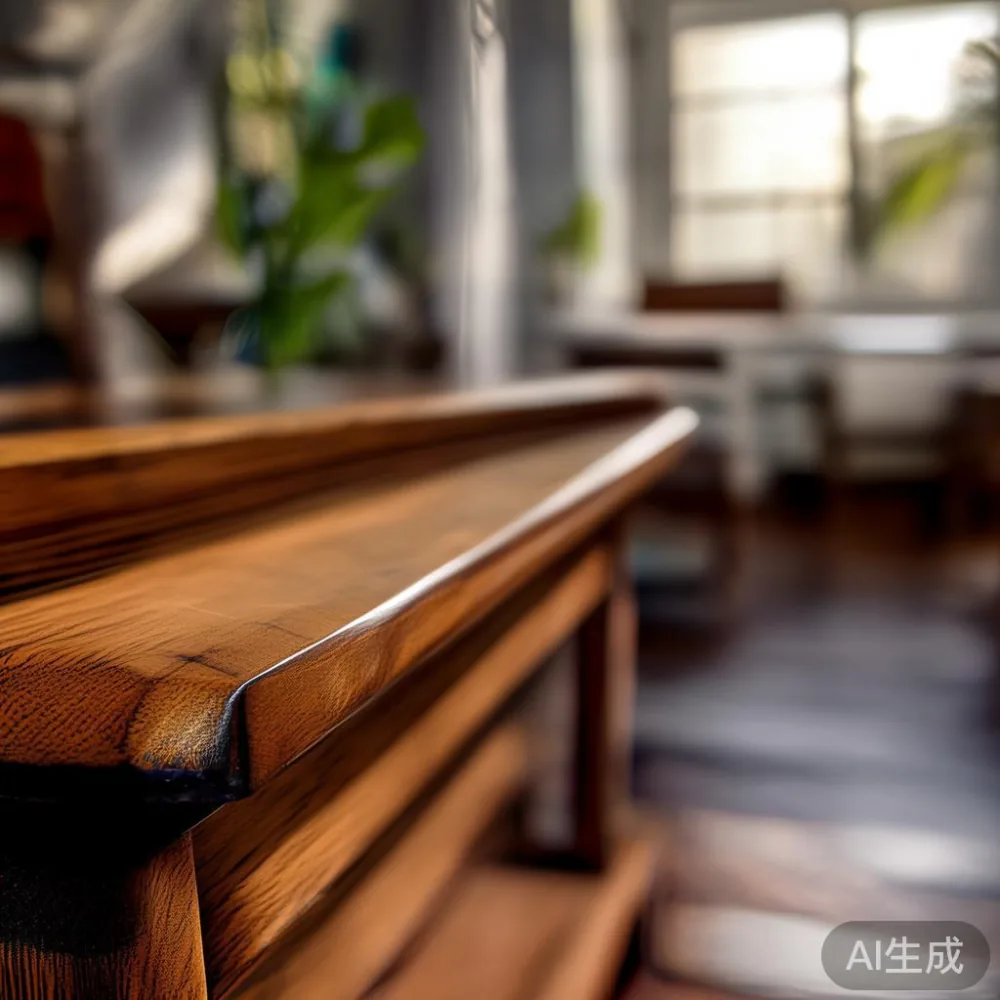
A machine-cut, assembled, and finished console table can be produced in a matter of hours. The joints are often simple dowels or staples, and the finish is a quick spray of lacquer. This efficiency keeps the cost low. In contrast, a handcrafted console table involves a multi-week process for a single piece. My colleague, who visited a workshop in Foshan last month, observed a master carpenter hand-cutting dovetail joints for a drawer. This single step, which provides superior strength and a beautiful detail, took the craftsman over two hours to complete for one drawer alone. This level of detail is a hallmark of quality furniture and adds significantly to the labour cost.
Finishing is another area where craftsmanship dramatically impacts price. A basic console table might receive a single layer of stain and a clear lacquer, a process that takes a day. A high-end piece, however, undergoes a multi-step finishing process. This includes hand-sanding between each of five or six coats of oil or varnish, with each coat needing 24 hours to cure. This meticulous process creates a deep, lustrous finish that protects the wood and enhances its natural grain, a characteristic of post-modern light luxury design. The time and expertise required mean this finishing process alone can add hundreds of SGD to the final price of a console table.
Design and Brand: Paying for Form and Function
The design of a console table is more than just its shape; it's about solving spatial problems and creating an aesthetic. A console table designed for a Singaporean HDB corridor, for example, must be narrow—typically under 40cm deep—to fit comfortably without obstructing the path. A design that is both beautiful and functional commands a premium.
Consider the influence of global design trends. The demand for 2026 Mid-century modern furniture, with its clean lines, tapered legs, and minimalist form, drives the creation of specific console table designs. Designers must invest time in creating these blueprints, and manufacturers must re-tool their workshops to produce the precise angles and curves required. This R&D cost is passed on to the consumer. Similarly, the enduring appeal of 2026 French provincial furniture, with its ornate carvings, curved legs, and distressed finishes, requires highly skilled artisans who specialise in this style, further increasing the cost.
Brand positioning also plays a role. A brand that positions itself in the light luxury space will price its console tables accordingly. This isn't just about the logo; it's about the promise of quality, design, and service. A customer buying a console table from a brand known for light luxury is paying for the assurance that the piece will be a timeless addition to their home, whether it's a condo in Punggol or a landed property in the east. This value proposition is woven into the price.
Why is a Solid Wood Console Table So Expensive Compared to Veneer?
This is a question we hear often from customers. The price difference between a solid wood console table and a veneered one can be dramatic, and understanding the 'why' reveals a lot about what you are actually purchasing. A veneer console table might use a thin layer of oak or walnut glued over a core of cheaper wood like MDF or particleboard. The core material is lightweight, inexpensive, and easy to mass-produce. This allows the console table to be sold for a much lower price point, perhaps SGD 300 for a 120cm piece.
However, this comes with trade-offs. The primary issue is longevity and repairability. Solid wood is a living material. It expands and contracts with changes in humidity. A well-made solid wood console table is built to move; its joints are designed to accommodate this natural movement without cracking. If the surface gets scratched over years in a busy Bedok apartment, it can be sanded down and refinished, restoring it to its original condition. A veneered console table, on the other hand, cannot. If the thin layer of wood is scratched or damaged, the cheaper MDF core is exposed. The piece cannot be sanded, and repair is often impossible or prohibitively expensive, effectively shortening its lifespan. When you buy a solid wood console table, you are investing in a piece of furniture that can be passed down, whereas a veneered piece is often seen as a temporary solution.
The Hidden Costs: Logistics, Taxes, and Service
The final price tag on a console table includes several hidden costs that are often overlooked. For a brand like MIDHILL, which exports from Foshan to over 15 countries, logistics are a major component. A single console table, securely packed in a cardboard box with foam inserts, weighs approximately 20kg. Shipping a container of these tables from China to Singapore involves sea freight, customs clearance, and local delivery. The cost of shipping a single console table to a customer's door in Singapore can be SGD 80 to SGD 120. This is why many reputable brands offer a threshold for free shipping; for MIDHILL, it's free shipping on orders over SGD 350. This policy absorbs the significant cost of delivery, making it more convenient for the customer.
Then there are taxes. In Singapore, the Goods and Services Tax (GST) is applied to the cost of the goods plus the shipping and any other fees. This means a console table priced at SGD 1,000 will have an additional 9% GST added, bringing the final cost to SGD 1,090. This is a government-mandated cost that is unavoidable for all furniture sold in the country.
Finally, the price includes the service and warranty. A 10-year structural warranty on a console table is a significant promise. It means the manufacturer is confident in the quality of its joinery and materials. This warranty is backed by a team that handles claims, processes repairs, and stands behind their product. Similarly, a 14-day return policy provides peace of mind to the buyer. These services are not free; they are part of the operational cost of running a responsible furniture business and are factored into the price of every console table sold.
What to Look For: A Smart Buyer's Guide
Understanding the factors that drive price empowers you to make a smarter purchase. When evaluating a console table, don't just look at the price tag. Look for the details that justify it. Run your hand along the surface. Is it perfectly smooth, or can you feel the texture of the wood grain? A smooth finish indicates multiple coats of hand-sanded varnish. Check the joints. Are they tight and smooth, or are there visible gaps or staples? Dovetail or mortise-and-tenon joints are signs of superior craftsmanship.
Ask about the wood. Is it solid wood through and through, or is it veneered over MDF? A solid wood console table will feel heavier and more substantial. For those interested in light luxury, a solid wood console table can be the perfect foundation. You might pair it with a marble-topped sideboard for a sophisticated dining room, creating a space that feels both grand and welcoming. The durability of the solid wood base ensures that your investment will last for decades, long after trends have passed.
Ultimately, the price of a console table is a reflection of its value. It’s an investment in quality, design, and longevity that will enhance your home for years to come. Whether you are furnishing a compact HDB flat or a spacious condo, choosing a well-made solid wood console table is a decision you will appreciate every time you walk through your door.