Understanding Solid Wood Prices: What Affects the Cost?
A console table can look simple from across a room, yet two solid wood models may differ by hundreds of dollars because their timber, joinery, finish, size, and delivery terms are not equal. Price is not a measure of appearance alone; it is the combined cost of materials, labour, engineering, quality control, packaging, and the risks a maker carries before an item reaches your home.
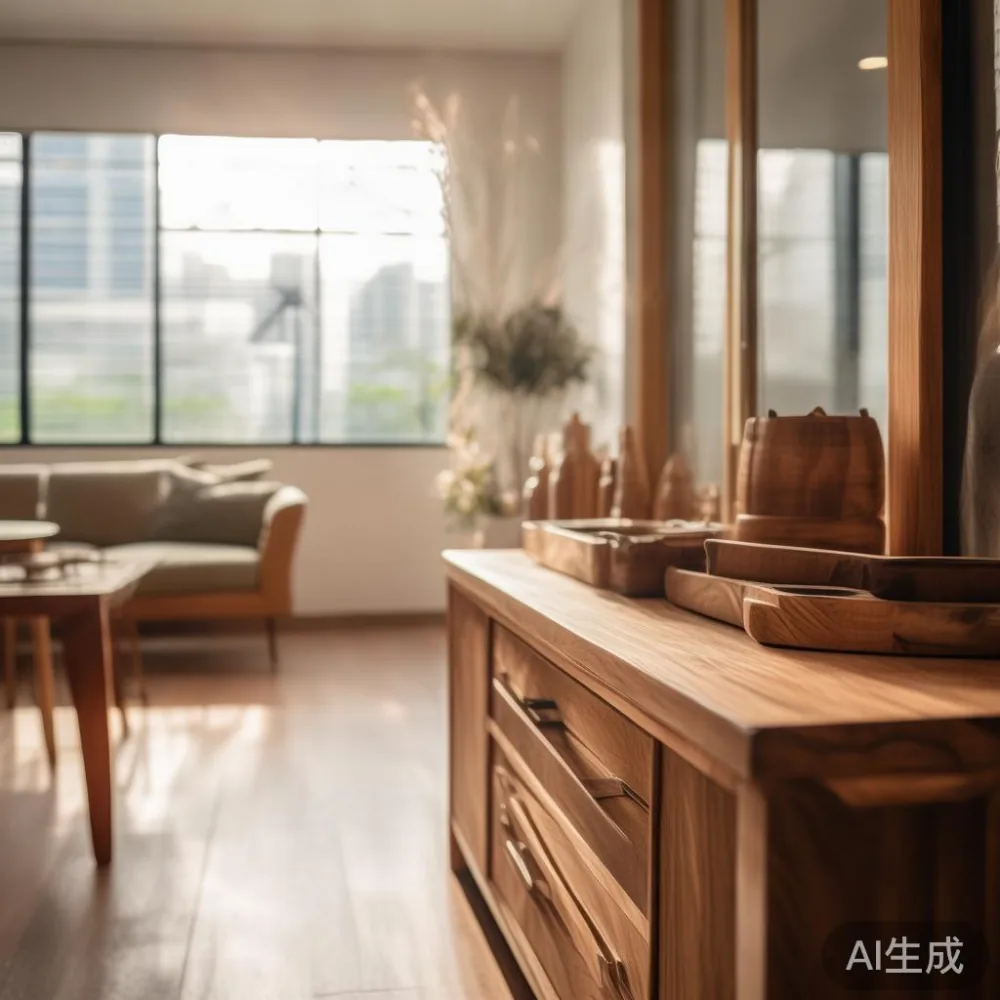
This matters in Singapore, where HDB flats in Tampines, Bedok, and Punggol often have compact entryways and narrow common corridors. A 120 cm console table may fit comfortably beside a sofa, but a 160 cm version can create problems at the stairwell, lift, and front door. GST also changes the final checkout figure, so comparing displayed prices without checking tax-inclusive amounts can distort the decision.
MIDHILL was established in 2008 and exports to more than 15 countries. Its approach can be understood through the lens of French light luxury or American light luxury: warm timber, restrained proportions, tactile finishes, and carefully controlled details. The reference to post-modern light luxury is also useful here, because classic solid wood construction can sit comfortably in a modern apartment without looking heavy or dated.
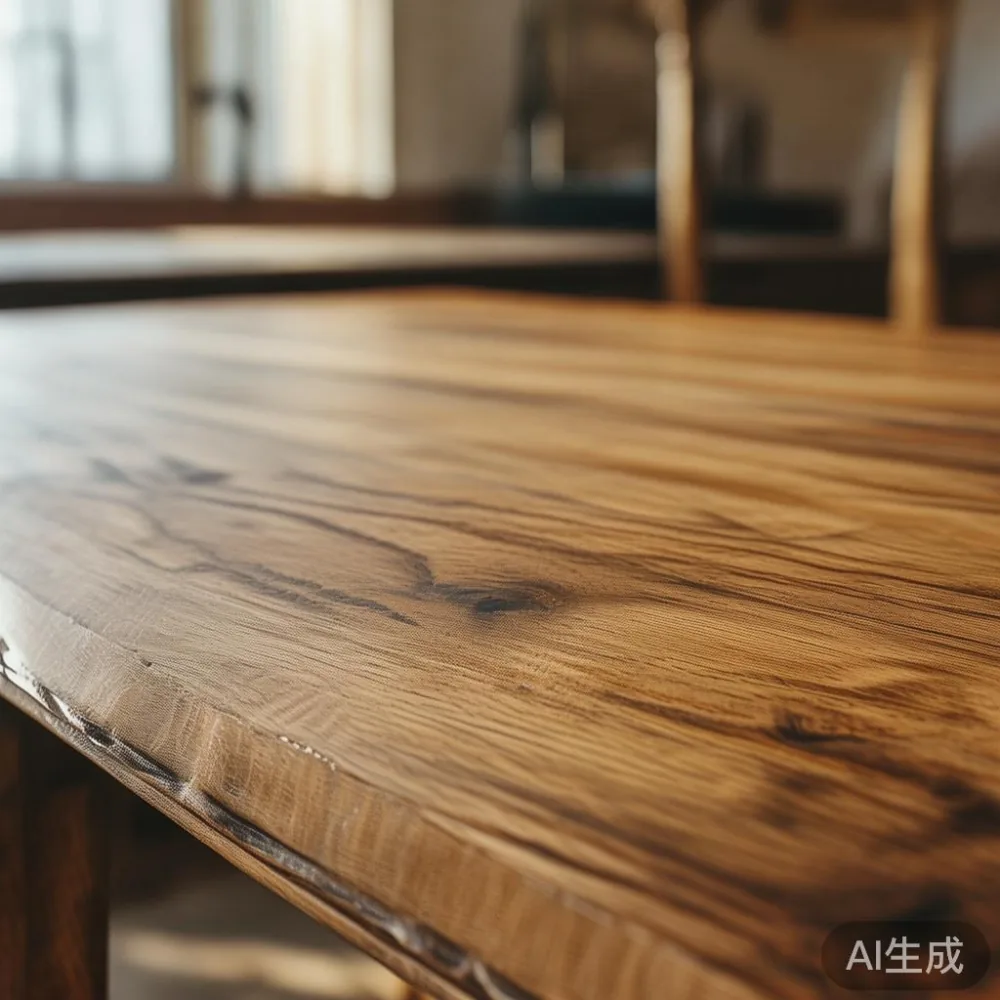
What material and construction details actually affect the price?
The starting point is the species and grade of wood. Solid wood furniture uses real timber rather than a thin veneer over particleboard or MDF. Oak, ash, beech, walnut, and other species differ in price because they grow at different rates, have different grain characteristics, and require different levels of processing. A 120 cm console table made from carefully selected solid oak may cost more than a similar model in a common hardwood because the timber itself is dearer and selection is more demanding.
Grade matters just as much. Boards with continuous grain, few knots, and balanced colour are harder to use efficiently. A maker may pay more for a 2.2 cm thick top, then encounter defects that prevent a full board from becoming a usable component. The price of a good small console table therefore reflects usable yield, not only the weight of timber purchased.
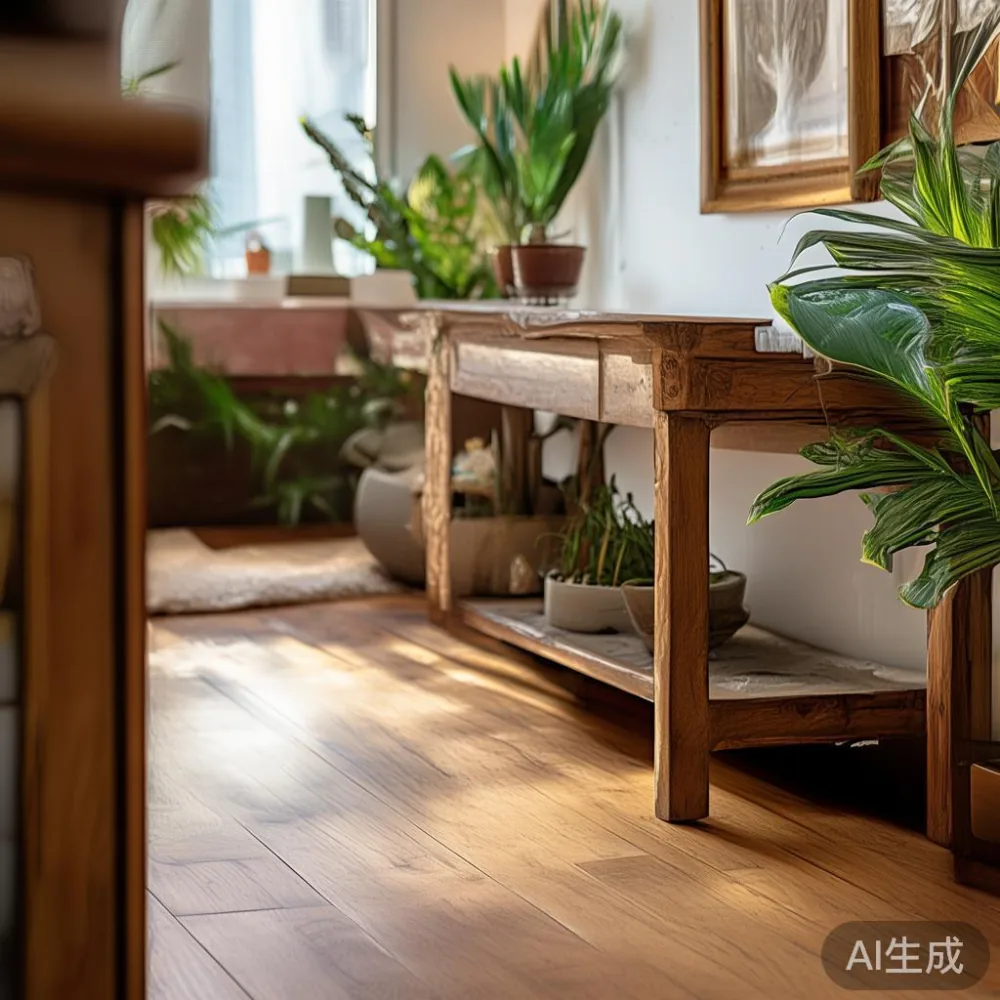
Construction is the next factor. Look for solid wood sofa frames, solid wood bed frame structures, reinforced dining table joints, and wardrobe carcasses that do not rely on fragile sheet material where strength matters. Dovetail joints, mortise-and-tenon joints, and securely fixed rails cost more in skilled labour than basic concealed screws, but they improve resistance to movement. A console table with a 38 cm depth and a reinforced back may command a higher price because it is less likely to twist during Singapore’s humidity changes.
Last month I visited a Foshan workshop and watched a craftsman assemble one console table. He spent about 25 minutes fitting a drawer front under 0.5 mm of daylight, then removed a tiny high spot that would have been almost invisible on a screen. He explained that moisture control took the previous 72 hours. That labour did not make the table look extravagant; it made the fit, stability, and finish repeatable.
Hardware can also change the figure. A 45 cm drawer fitted with a soft-close mechanism, solid brass pull, and dovetail corners carries a different cost from a simpler board-and-screw version. Premium hardware is useful, but it should match the design rather than substitute for sound timber or accurate assembly.
How do dimensions and timber thickness influence cost?
Size has a direct effect on material use. A 100 cm console table with a 35 cm top may require roughly one-third less main timber than a 150 cm model with a 40 cm top, although actual usage depends on the design. Thickness matters because a 4 cm solid wood top uses more timber, weighs more, and takes longer to sand and finish than a 2 cm top.
Weight is a useful but imperfect clue. A medium console table might weigh 28 kg, while a thick oak version could reach 42 kg. Heavier pieces are not automatically better; excess weight can indicate poor engineering rather than quality. Check whether the rails are properly spaced, the back panel is secured, and the legs are joined to the frame rather than attached to thin decorative panels.
For Singapore homes, dimensions should be checked against the route rather than the empty floor area. Standard residential lift doors may be around 80–90 cm wide, while corridor turns can reduce clearance further. A table packed into a flat carton measuring 150 × 45 × 18 cm may not clear a tight turning point even if its narrowest edge fits through the lift. Ask for the packed dimensions, not only the assembled dimensions.
For example, a 120 × 35 × 78 cm console table is easier to manage in many HDB flats than a 160 × 40 × 80 cm version. A narrow 30 cm depth can work in a Punggol entryway, while a deeper model is more suitable beside a dining table or sofa. The better price comparison is between similar dimensions and specifications, not between a small entryway model and a large statement piece.
Why does the finish make such a big price difference?
Finish quality affects both labour and durability. An open-pore oil finish can enhance the grain and allow the surface to be maintained, while a painted finish may require careful preparation, sealing, and multiple coats. Lacquer, stain, hardwax oil, and water-based coating each have different application times, material costs, and repair requirements.
Colour consistency is also part of the price. A natural finish that preserves the board’s variation may be simpler than a dark stain intended to create a uniform appearance. Matching colour across drawer fronts, rails, legs, and a 4 cm top requires extra selection and sanding. The closest match to Italian light luxury with storage often comes from restrained natural tones, clear grain, and quiet hardware, not from an expensive-looking printed surface.
Inspect the finish under neutral light. Run a clean finger across it: it should feel smooth but not artificially glossy. Check edges, undersides, and joints for thin spots. For a dining table, the finish must tolerate heat, water rings, and daily contact; for a nightstand, the drawer and handle zones deserve closer attention; for a wardrobe, the moving parts and interior surfaces must remain functional after years of use.
MIDHILL offers lifetime refinishing, which means the furniture is not treated as disposable when the surface ages. The 10-year structural warranty protects a different aspect: the underlying frame and construction. These are separate promises, so buyers should still understand normal care, humidity limits, and what documentation accompanies the purchase.
Is a higher price always a sign of better solid wood furniture?
No. A higher price may reflect better timber, more complex joinery, a larger size, a recognised design, or a maker’s warranty and service system. It may also reflect an expensive finish, staged marketing, or a limited production run. The useful question is whether the extra money buys a measurable improvement that suits your home.
Compare components. Check whether the top, side panels, drawer boxes, and legs are solid wood, and confirm whether any sheet product is used in less structural areas. Ask how the console table is assembled, how it is protected in its carton, and what happens if a part is damaged. A clear 10-year structural warranty and lifetime refinishing policy can be more useful than a small increase in superficial gloss.
Design also affects price. A Mid-century modern coffee table with turned legs and a shaped apron requires different operations from a rectilinear console table. French bed vs Modern bed comparisons often involve frame engineering, headboard treatment, and storage rather than a universal “solid wood” premium. Industrial for guest room is another style direction where visible metal, honest joints, and restrained finishes create additional fabrication steps.
For shoppers looking for sale French furniture, price reductions may reflect a discontinued finish, a display item, or a campaign rather than inferior construction. Check the condition, dimensions, warranty, and delivery terms individually. A marked-down piece with sound construction may offer reasonable value, but colour alone does not prove quality.
How should delivery, GST, and service be included in the comparison?
Singapore’s 9% GST should be visible before checkout. A console table listed at SGD 980 becomes SGD 1,068.20 after GST, so a seemingly small difference between two models can become more meaningful after tax. Use the final payable amount when comparing furniture with different accessory packs or delivery terms.
Delivery is not a footnote. A workshop in Foshan must use suitable cartons, moisture protection, edge reinforcement, and secure loading. A damaged corner or split drawer can cost more than the delivery charge. For Singapore orders, MIDHILL provides free shipping over US$350, though the threshold is stated in US dollars, so the card or bank conversion rate should be checked. A 14-day return policy also affects risk, but buyers should confirm whether a piece must be unused, whether return freight is included, and how a custom-size order is treated.
Allow roughly 7–14 delivery days for standard production and shipping to Singapore, with the exact lead time confirmed for the selected console table. Custom finishes may add 5–10 days. If the arrival date matters for a condo handover or HDB renovation, ask for a written schedule before ordering.
Manoeuvring inside the building is part of the practical service. A 125 cm long carton might need to be tilted through a 90 cm lift door. Narrow corridors in older HDB blocks can require the carton to be turned more than 90 degrees. Delivery crews may also need to work through a 20 cm level change at the void deck. Clear these measurements early and keep a friend available to open doors if the building requires coordinated access.
What should I inspect before paying for a console table?
Use a 10-minute inspection. First, look at the underside and back. The wood should be solid where advertised, the joints should be tight, and screw heads should sit flush. A 120 cm console table should not visibly twist when lightly held at both ends. Open every drawer and compare the gaps; a 3 mm variation may be acceptable, while a drawer that binds needs correction.
Next, check the top for scratches, filler marks, and colour inconsistency. Look at the grain direction across the top, drawer front, and shelf. Ask for the wood species, thickness, finish, dimensions, packed size, weight, and warranty in writing. These 7 details make it easier to compare quotations.
Then consider the room. A console table in a compact Tampines living room may need a depth below 35 cm. A marble table is visually cool and durable, but its weight, stone variation, and edge treatment make it a different purchase from a solid timber console table. Likewise, a solid wood sofa, dining table, wardrobe, or nightstand may share a species label while differing sharply in construction and cost.
Post-modern for small living room design depends on visual breathing room. A pale top, recessed plinth, and slim profile can make a 120 cm console table feel less bulky. French light luxury tends to reward curved edges, warm natural oak, and bronze-toned details used sparingly. American light luxury often appears through generous proportions, softer upholstery, and substantial timber, but scale still matters in a Singapore flat.
The clearest price equation is usable timber plus fabrication hours plus finish plus hardware plus packaging plus delivery and support. Remove any component you do not value, and you may find a better fit. For instance, replacing a premium drawer pull with a simpler solid brass pull could reduce cost while preserving the visual intent. Moving from a 160 cm to a 120 cm model may save material and solve a corridor problem at the same time.
Choose the console table that offers sound construction at the dimensions your building can accept. Confirm the tax-inclusive price, packed measurements, delivery lead time, return terms, and warranty. Price becomes meaningful only when those facts align with the furniture’s materials, the room, and the service behind it.