Understanding Solid Wood Furniture Prices: What You Pay For
Solid wood furniture can cost S$680 for a console table or S$4,800 for a dining table, yet the price tag alone does not reveal what the buyer is paying for. Board thickness, timber species, joinery, finish, hardware, engineering, and logistics all affect the final figure. Some costs are visible; others appear in the delivery note, the warranty, and the long-term care of the piece.
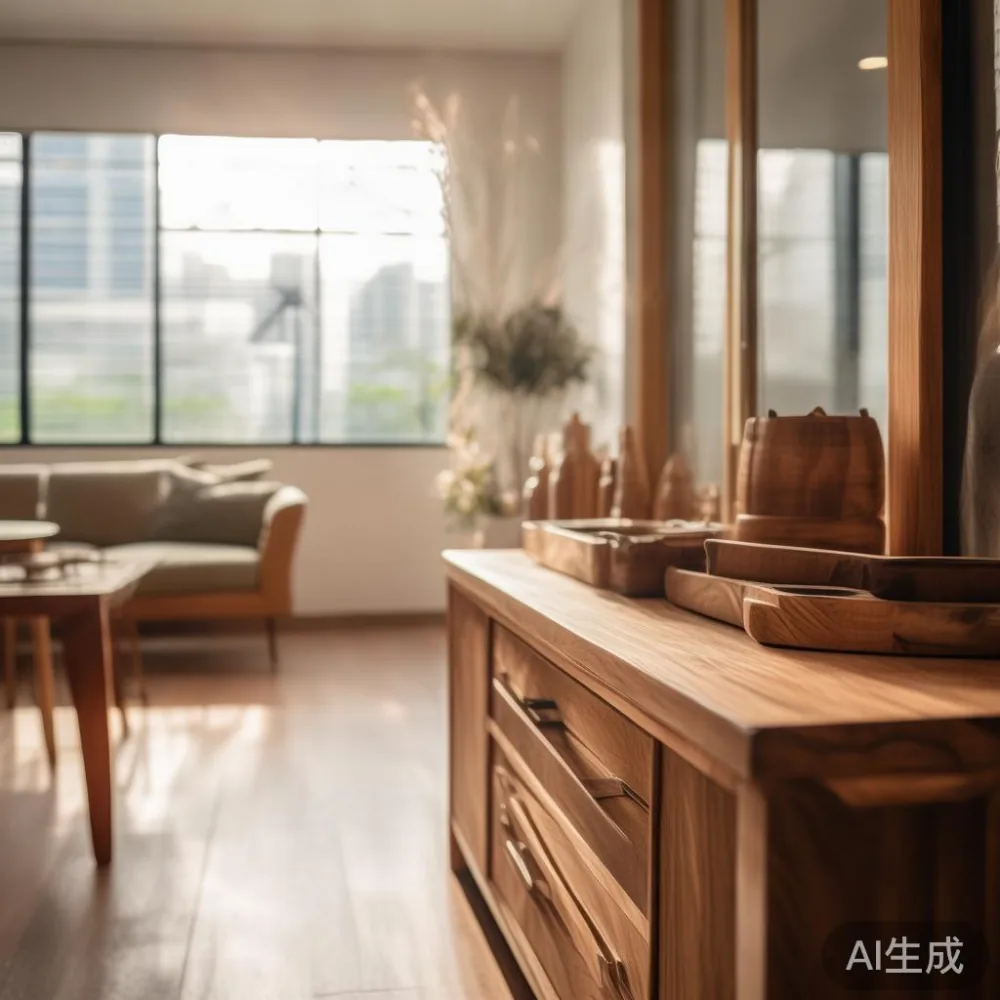
For Singapore homes, these distinctions matter. A console table may need to fit through an HDB lift, a Bedok condo corridor, or the narrow entrance of a Punggol flat. A larger bed frame may need to be assembled inside the bedroom. The price of solid wood furniture therefore includes not only the object itself, but also whether it can reach its destination without damage or compromise.
MIDHILL has manufactured solid wood furniture since 2008 and exports to more than 15 countries. Its 10-year structural warranty and lifetime refinishing service reflect a long-term approach to pricing: a piece should retain its usefulness after the showroom novelty has passed. That makes understanding the price drivers more useful than chasing the lowest printed number.
What is the difference between solid wood and engineered wood?
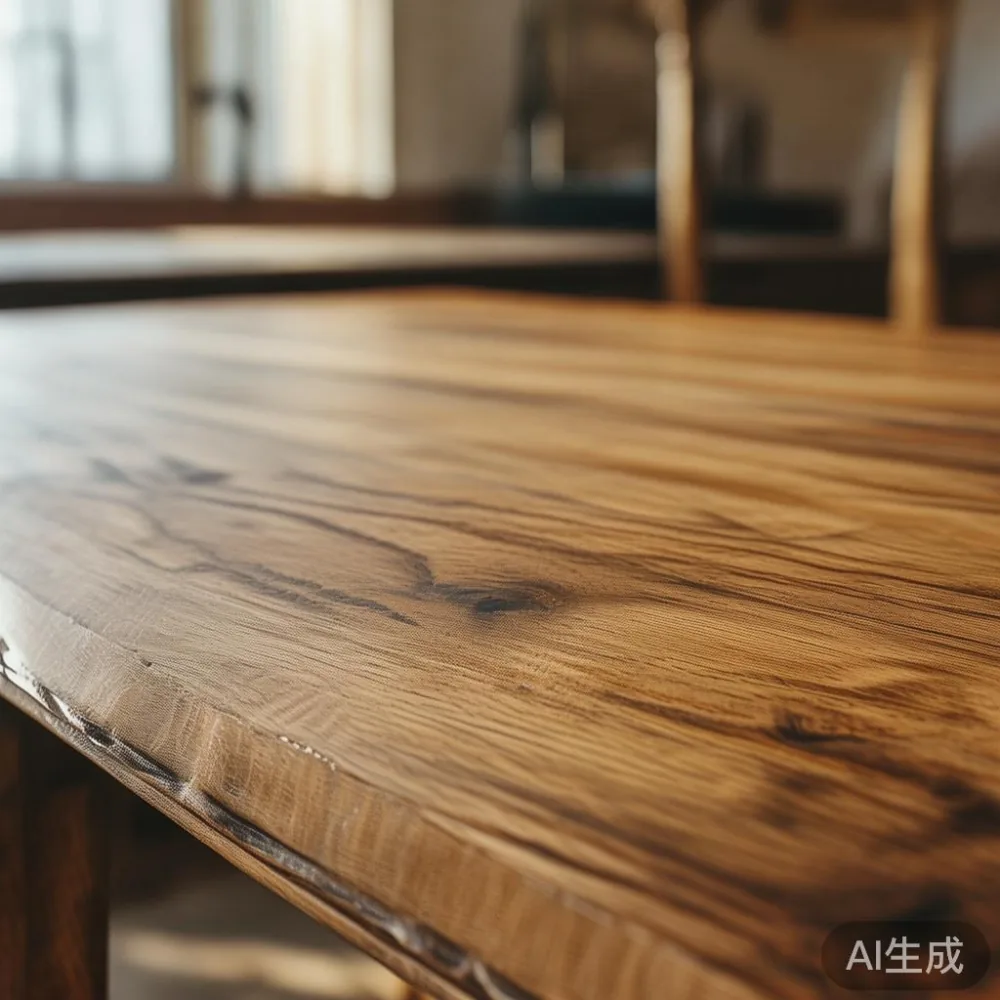
Solid wood means the visible or structural timber is wood throughout the relevant board, rather than a veneer bonded to particleboard or MDF. Veneer can produce an attractive surface at a lower material cost, while engineered wood can improve dimensional stability. Neither category automatically defines quality, and each has a place in a home. The key is knowing what the seller is describing.
A solid wood console table with a 20 mm top behaves differently from a 16 mm veneered console table with a printed surface. A solid wood bed frame with a 30 mm side rail offers more mass and repair potential than a hollow-core frame with decorative panels. A dining table may use solid timber for the top while relying on engineered components beneath it. Buyers should ask for the material breakdown rather than accept one broad label.
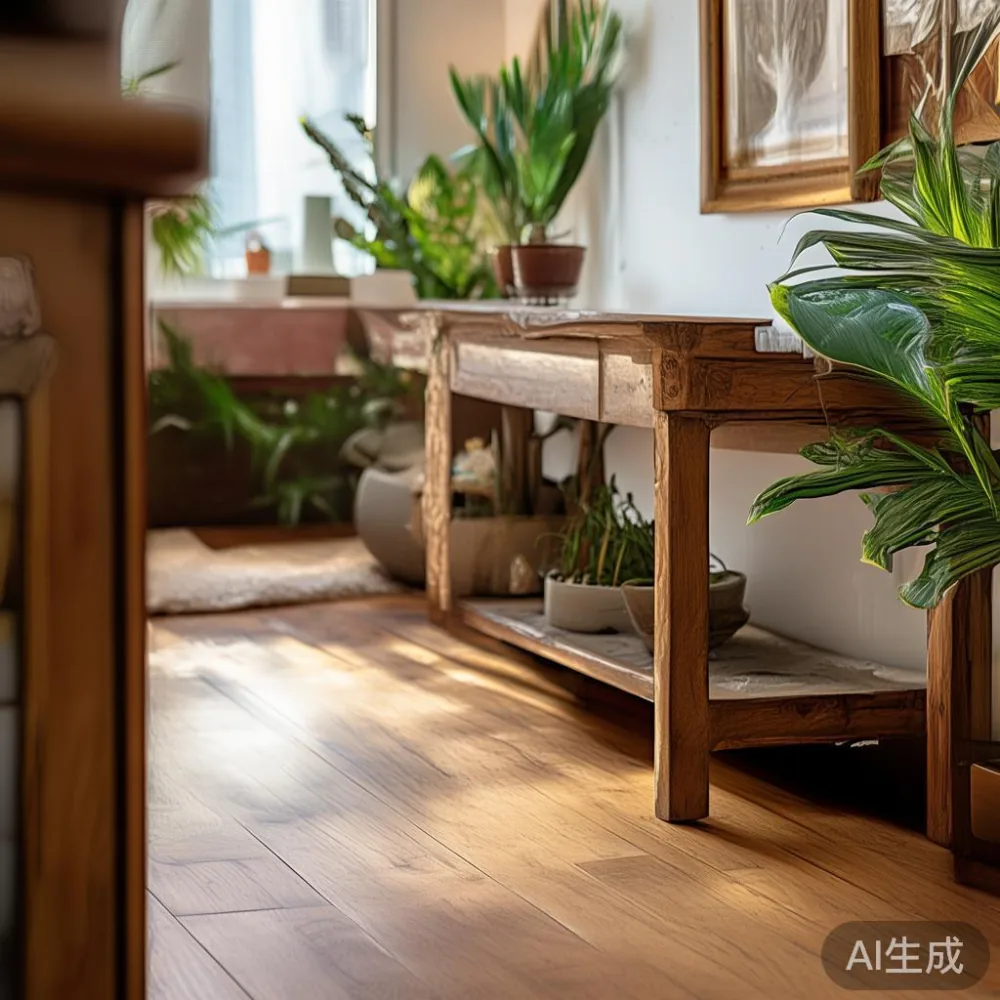
One common trick is thickness inflation. A merchant may describe a 25 mm panel but sell a 15 mm top plus a 10 mm decorative edge, making the total 25 mm while the usable top remains 15 mm. At S$900 on a console table, a misleading specification can create a false sense of value. Ask whether 25 mm refers to the full top or only a visible edge.
Particleboard and MDF also change the economics. They are generally less expensive to process and transport because they are lighter and more uniform. That is not a defect for every application. A wardrobe may use engineered panels internally and solid wood where hands, knees, and moving parts encounter the structure. The fairest comparison is like for like: material, dimensions, construction, finish, and warranty included.
Which wood species creates the biggest price difference?
Timber cost is one of the clearest price drivers, but the retail difference is not simply a multiplication of board volume. Hardwood species such as oak, ash, walnut, and teak have different densities, grain patterns, working properties, and supply histories. A 180 cm console table may use several narrow boards because wider boards are scarcer or less stable. Waste from knots, sapwood, and grain matching can raise the material cost further.
Oak is often used for a light-luxury console table because its open grain suits pale, tactile finishes. Walnut usually carries a higher price because of its visual depth and less uniform supply. Teak is valued for stability and outdoor suitability, but a branded or heavily selected grade can command more than a simple grade used indoors. Veneer can imitate the appearance of a scarce timber at a lower cost; solid wood offers the ability to sand and refinish exposed surfaces.
Consider two 140 cm console tables priced at S$760 and S$1,180. If both use 22 mm tops and the same finish, the S$420 difference may come from timber grade, board selection, hardware, joinery, and factory finishing. If one has an 18 mm panel and the other 25 mm solid oak, the comparison changes again. A useful specification is: species, grade, thickness, top construction, finish, and load rating.
Weight offers a rough clue. Solid oak is typically around 700–800 kg per cubic metre, while rubberwood and some lighter species may sit around 500–650 kg per cubic metre. A 120 × 40 × 75 cm solid oak console table can weigh roughly 55–65 kg, whereas a comparable engineered version may weigh 30–40 kg. Delivery difficulty, installation, and floor loading are therefore part of the value equation.
How much do joinery and structural design add to the price?
The parts buyers see are rarely the whole story. Joinery determines how forces move through a console table, bed frame, dining table, wardrobe, or nightstand. Traditional wedged mortise-and-tenon joints and dowelled construction demand accuracy and skilled setup. Confirmat screws, metal brackets, and drilled dowels can work well when engineered correctly, especially in flat-pack furniture designed for repeated assembly.
A stronger console table may use through-tenons, a bridle rail, or a supporting apron beneath a 25 mm top. A bed frame may use mortise-and-tenon corner joints and a slat system sized for the span. A dining table may have a hardwood frame with a solid top and shop-installed fasteners. These methods add fabrication time, but they can also reduce the need for oversized fixings that split the timber.
For my own experience, last month I visited a Singapore workshop where a craftsman showed me two console table corners made from the same 22 mm oak. The corner with a concealed metal plate was faster to assemble. The corner with a fitted hardwood corner block took 19 minutes longer but distributed loads more consistently. That 19-minute difference was modest compared with finishing, delivery, and customer service costs elsewhere in the product.
Load ratings make comparisons more honest. A console table intended for a 55-inch television may be rated for 60 kg, while a decorative console table rated for 15 kg should not be treated as media furniture. Similarly, a dining table for six diners needs an appropriate top and base arrangement. Price should include performance relevant to use, not merely visible grain.
Why does finish and colour cost more than some buyers expect?
Finishing protects timber and changes its colour, sheen, texture, and maintenance needs. The more processing stages, the more labour and material cost enters the console table or dining table. A raw sanded surface is not automatically cheaper once stain, paint, and protective coating are applied. Each additional layer can add S$40–S$150 to a small piece, with larger tables carrying higher labour costs.
Water-based coatings often have lower solvent and workplace impact, but coverage and durability depend on the system and number of coats. Hardwax oil emphasizes wood texture and allows local repairs. Lacquer can create a more uniform, polished appearance but may be harder to repair. The finish should be described by type, sheen, and coverage rather than vague words such as “natural” or “premium”.
Post-modern light luxury often depends on restrained profiles, warm materials, and carefully balanced finishes. A console table with rounded corners, a slim apron, and a muted matte coating may look light while still requiring CNC shaping, sanding, and several finishing passes. French light luxury tends toward sculptural detail, while American light luxury may use cleaner massing and oversized forms. The visual style is not free, because curves and shaped edges consume more timber or machining time.
For customers comparing a light luxury bed vs Nordic bed, finish can be as important as timber. A pale oak bed with visible grain may suit Scandinavian interiors; a walnut bed with softened edges may fit French or post-modern schemes. A complete bedroom set also requires matching bedside tables, a nightstand, and a wardrobe, so finish consistency affects the full project cost.
How do hardware, movement, and storage affect a furniture price?
Hardware is easy to overlook. A basic screw and plastic hinge may cost only S$1–S$5 in a factory, while a tested soft-close drawer runner with an integrated damper may cost S$18–S$60. A solid wood nightstand with two drawers can therefore gain more than S$100 in functional value without changing its timber. A wardrobe with full-extension runners, adjustable shelving, and reinforced hanging rails may use a much higher hardware budget than one with basic fittings.
Doors and drawers must operate after years of temperature and humidity changes. A warped door can cost far more than the original hinges saved, especially if the piece is built with a solid timber frame. Look for adjustable hinges, solid drawer boxes of at least 12–15 mm where space permits, and runners rated for the actual drawer load. Solid wood sofa and marble table products introduce another layer: upholstery and stone require separate specifications, fabrication, and delivery planning.
A marble table may appear to have a simple stone top and timber base, yet its price includes slab selection, templating, edge treatment, reinforcement, and secure transport. A console table is less demanding in this respect, but its price can include concealed cable management, drawer dampers, or wall-anchoring hardware. Functional accessories are valuable when clearly specified; inflated claims are not.
How should Singapore delivery, GST, and access influence the price?
Local delivery is part of the purchase, not merely a free add-on. Singapore HDB lift dimensions and corridor turns often determine whether a console table arrives assembled or must be delivered in sections. Many HDB blocks have lift doors around 80–90 cm wide, though building-specific measurements should be confirmed. A 160 cm console table may fit diagonally, while a 200 cm table will usually need an external wall or window route.
Condo corridors and security parking areas can add time to a delivery. A driver may need a 20-minute loading-zone permit, a 45-minute lift reservation, or a second person to carry a 55 kg table to the ninth floor. If the item is not lift-compatible, stairs and hand-carry can add S$80–S$250. Asking the supplier for packed dimensions and weight before payment prevents a costly access surprise.
Singapore GST is currently 9%. For a consumer purchasing directly, the displayed retail price should include GST when quoted by a Singapore-registered seller. Business buyers may need separate treatment and documentation. For cross-border purchases, import duties, delivery, insurance, and handling can change the landed cost. It is better to compare an all-in Singapore price with another all-in Singapore price rather than a tax-exclusive catalogue figure with a local product.
Delivery timing also reflects production and logistics. Stock pieces may be dispatched in 3–7 days. Made-to-order furniture may take 30–60 days, with final delivery around 7–14 days after completion. A nominal 14-day delivery cannot be promised before the item exists. Ask for separate production and despatch estimates, and whether peak periods around Chinese New Year or the year-end holidays affect them.
MIDHILL offers free shipping for orders over US$350, but Singapore buyers should confirm the local currency threshold, GST treatment, and delivery quotation before checkout. The company’s 14-day returns policy is more useful when return conditions, packaging, and custom-made exclusions are clear. A solid wood product made for a specific wall recess should not be treated like an off-the-shelf item.
How do you choose European light luxury sofa without paying for the wrong details?
For a sofa, the frame and suspension usually matter more than decorative piping. A solid wood sofa may have a kiln-dried hardwood frame, glued joints, webbing, and foam specified for actual use. A European style with curved arms takes more shaping than a boxier American light luxury design, while a low Japandi profile can require careful support to remain comfortable. In an HDB flat with a 900 mm lift doorway, a modular sofa may solve access more effectively than a single 230 cm section.
A useful comparison for European sofa vs Japandi sofa is frame construction, seat depth, foam density, cover removal, and delivered dimensions—not simply the labels. The European sofa vs Japandi sofa decision also depends on posture and room circulation. A 220 cm sofa in a narrow living room can block the main route, while a 190 cm model may leave a comfortable 75–90 cm passage.
For secondary rooms, Rustic for guest room planning should account for ventilation, mattress support, and access. A bed frame with a solid timber structure and slat spacing below about 5 cm can support many foam mattresses, but the mattress manufacturer’s guidance should control. This is where a light luxury bed vs Nordic bed comparison becomes practical: one may prioritise shaped detailing, while the other focuses on visible timber, pale tones, and restrained forms.
The product description should state foam density, frame timber, suspension type, dimensions, and removable-cover options. A shopper searching for sale American furniture should compare those specifications with the sale price, rather than infer quality from “solid wood” alone. Likewise, a search for the best French bed for 2026 still needs current dimensions, warranty terms, and a realistic Singapore delivery quote.
What should a fair solid wood furniture price include?
A fair comparison starts with a written specification. For a console table, request dimensions, top thickness, timber species, drawer construction, finish, load rating, packed size, weight, assembly requirements, delivery date, warranty, and return terms. For a dining table, ask about top and base construction, extension method, seating capacity, and stability. For a wardrobe, request internal dimensions, rail positions, shelf loading, hinge and runner brands, and whether doors are included.
Here is a practical price framework for Singapore shoppers:
- A compact 100–120 cm solid wood console table with a 20–22 mm top, one drawer, and standard hardware may sit around S$480–S$900.
- A 150–180 cm console table in selected oak or walnut, with thicker timber, shaped edges, quality runners, and a richer finish may range from S$850–S$1,650.
- A solid wood dining table for six, with a 25–30 mm top and engineered support structure, commonly starts around S$1,600 and may reach S$4,800 or more.
- A solid wood bed frame with a supportive slat system, finished surface, and conventional hardware may range from S$900–S$2,500, depending on size and detailing.
- A wardrobe with engineered internals, solid timber face frames, soft-close hardware, and installation may range from S$1,200–S$4,500.
- A small solid wood nightstand with two drawers may sit around S$320–S$680, with premium timber and hardware pushing it higher.
These are comparison bands, not guarantees. They show why a single material claim cannot explain a price. A marble table can be less expensive than a carved solid wood console table; a compact dining table can cost more than a larger wardrobe; and a structurally simple piece may be well priced at S$520 while a heavily detailed one is reasonable at S$1,480.
Watch the hidden substitutions: veneer instead of solid timber, thinner board, MDF drawer boxes, generic hinges, reduced wall thickness, or flat-pack packaging that saves freight but adds assembly time. A ten-year structural warranty should specify which components and defects it covers. Lifetime refinishing should clarify whether it includes labour, transport, and coating, and whether only genuine MIDHILL pieces qualify.
Price is what a buyer pays; value is what remains available afterward. That value comes from stability, repairability, accurate dimensions, suitable hardware, transparent service, and a finish that suits Singapore’s humidity and daily use. For a console table, bed frame, dining table, wardrobe, nightstand, or marble table, those measurable details offer a stronger basis than a large number or an impressive adjective.
Before ordering, measure the route from the loading point to the final room, compare the packed dimensions, confirm GST, and check the written warranty. Those 10 minutes can protect a S$1,000-plus purchase from a delivery problem, while clearer specifications help ensure the furniture remains useful for 10 years or longer.