Solid Wood Price Dynamics in Singapore Console Tables
Furniture pricing can look deceptively simple: two solid wood console tables, two solid wood dining tables, or two solid wood bed frames may be sold for very different amounts. The difference is rarely just a designer label. It usually comes from the timber species, grade, thickness, construction method, hardware, finish, and the amount of skilled work hidden inside the piece.
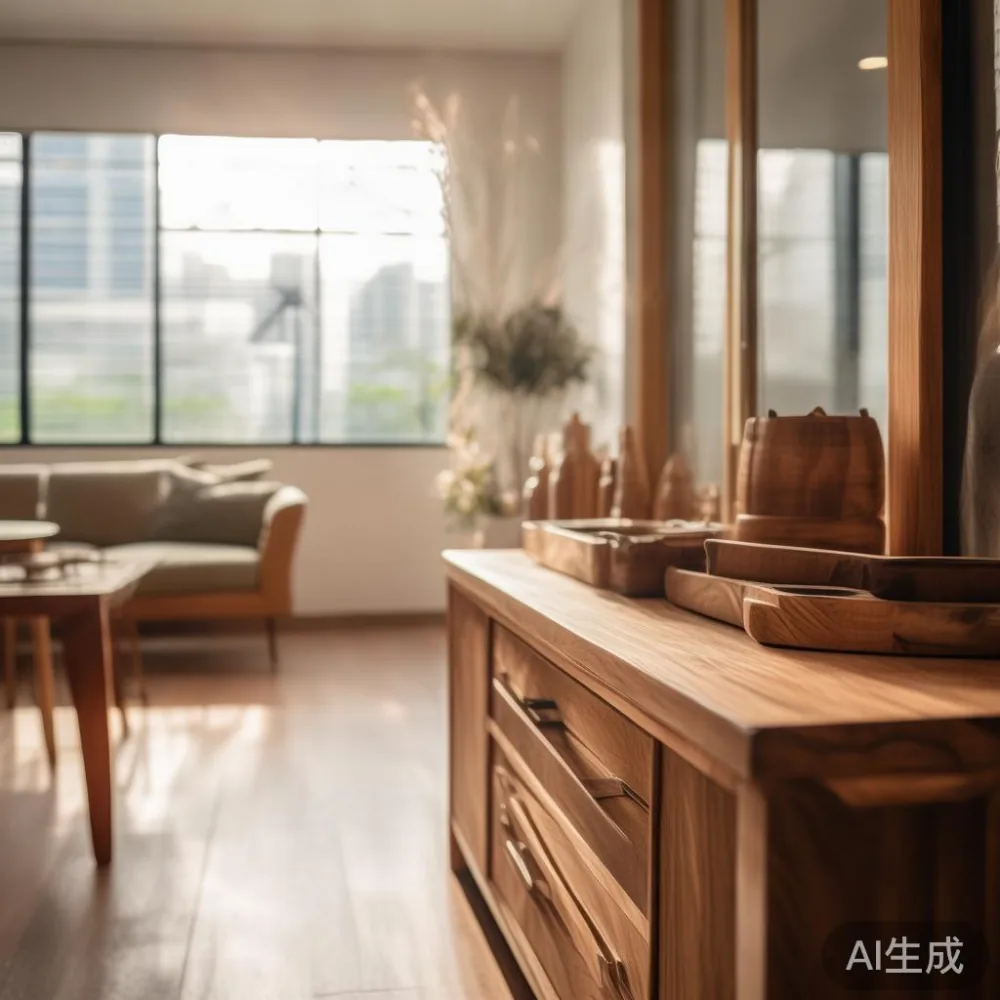
For Singapore households, those variables matter even more because an HDB flat in Tampines, Bedok, or Punggol may have a narrow lift, a compact corridor, and a 90 cm doorway. A console table that looks suitable online may need to be measured carefully before delivery. GST also appears in the final transaction, while the structural warranty and long-term service terms influence the value of the purchase beyond the showroom number.
This guide explains what actually drives the price of solid wood furniture, with particular attention to a console table as a practical example. It also covers the terms solid wood sofa, bed frame, dining table, wardrobe, nightstand, and marble table so you can compare quotations on a more informed basis.
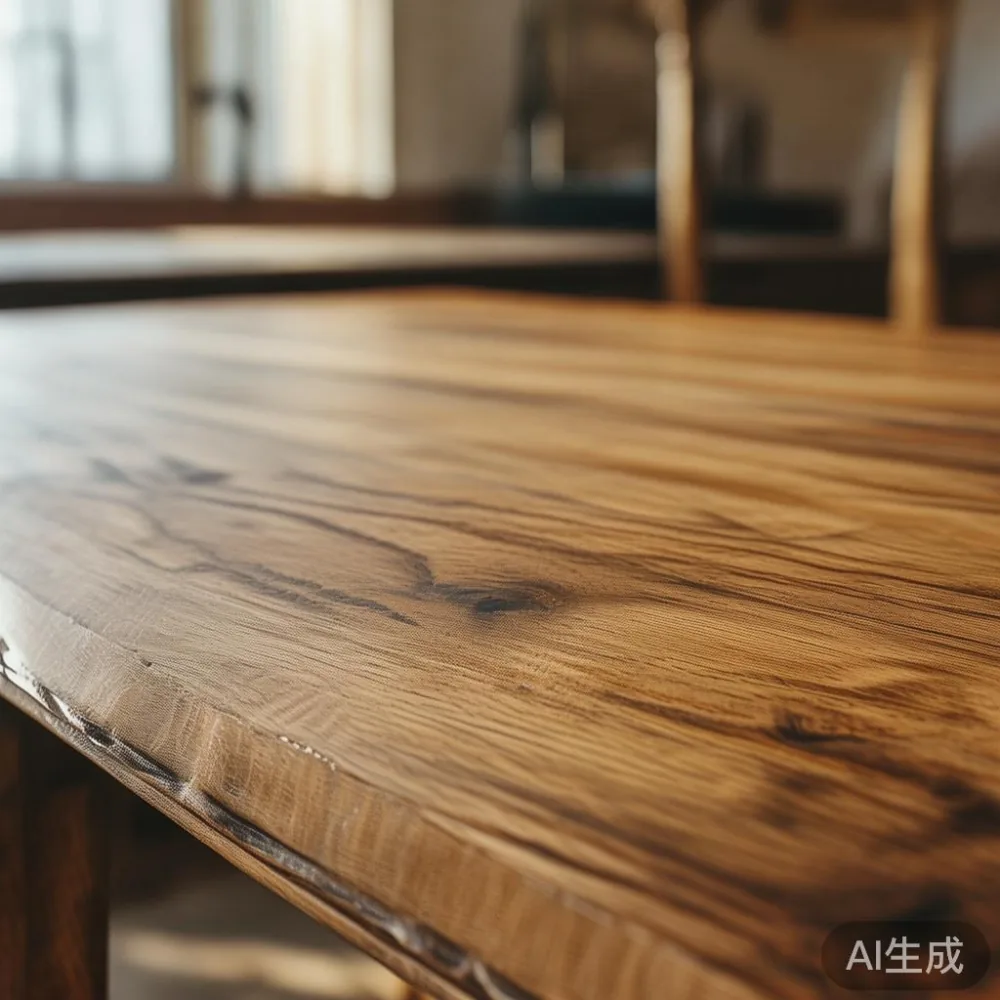
Is solid wood automatically expensive, or are you paying for the brand?
Solid wood is not a single material with one fixed price. It is a category containing many species, cuts, grades, and treatments. Oak, ash, beech, rubberwood, teak, walnut, and other woods can vary in price because of availability, grain consistency, drying method, and local demand. Two pieces labelled “solid wood” may use very different timber and may be connected in completely different ways.
Brand value can influence a price, but it is only one part of the calculation. A manufacturer with established production methods, quality control, packaging, delivery systems, and after-sales support may charge more than an untested seller. However, a famous name does not guarantee solid timber, sound joinery, or a useful warranty. Ask for photographs of the underside, the drawer interiors, the raw edges, and the timber label.
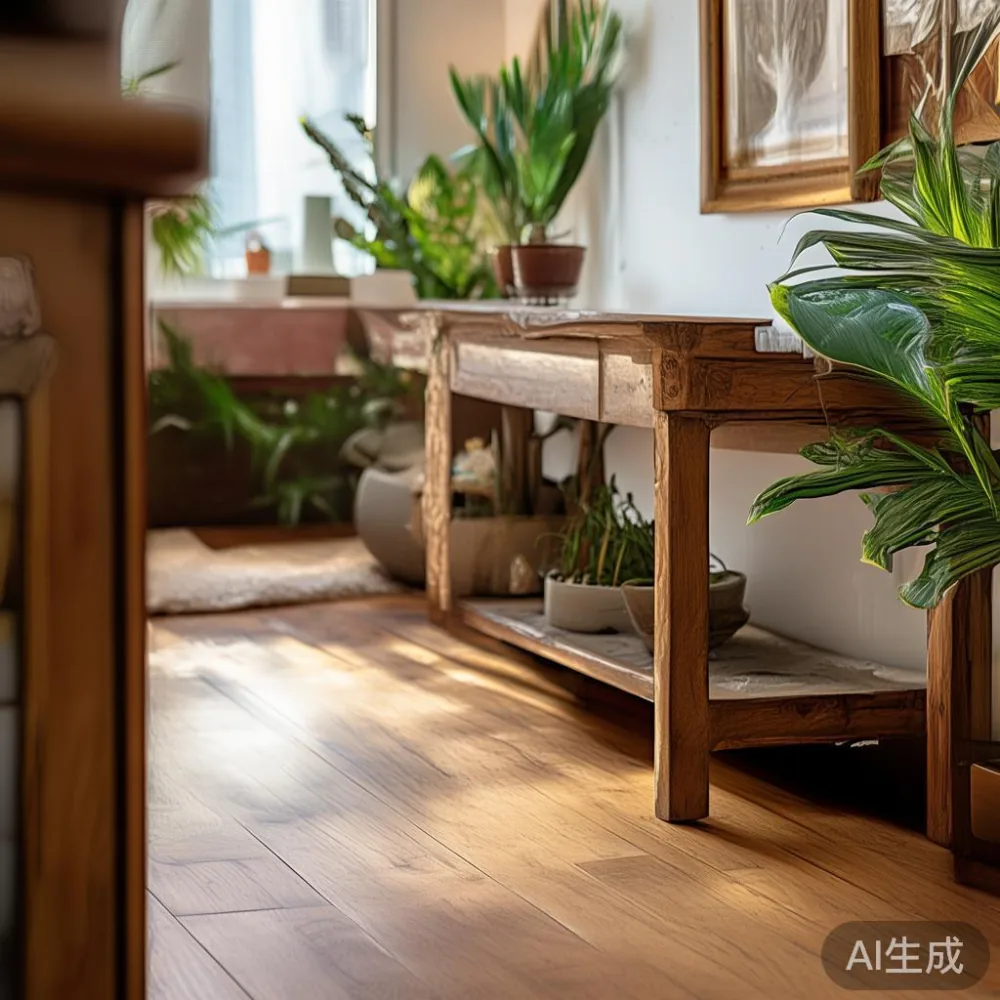
For a solid wood console table, a useful comparison is the board thickness. A top made from 18–20 mm solid timber with a stable frame and properly secured rails may justify a higher price than a similar-looking unit with a 12–15 mm top and thin decorative panels. The extra material is measurable: a 120 cm console top at 20 mm thick contains roughly 19.2 litres of wood before machining, compared with about 14.4 litres at 15 mm. Density affects weight, but the key issue is whether the extra thickness supports the design.
MIDHILL has manufactured solid wood furniture since 2008 and exports to more than 15 countries. Its 10-year structural warranty and lifetime refinishing policy add long-term value, but these services should be judged alongside the physical specifications rather than used as substitutes for them.
What timber species and grades mean for the price
Species explain much of the price spread. Walnut is often priced above common hardwoods because of its figure, colour, and sourcing constraints. White oak can also command a premium when the grain and cut are attractive. Lower-cost species such as rubberwood can be excellent for painted furniture, while beech and ash may suit bedrooms and children’s rooms. The right choice depends on whether appearance, durability, stability, or budget has priority.
Grade affects appearance and yield. “Select grade” timber is selected for cleaner faces and more consistent colour. “FAS” and “prime” terminology may be used in international trade, although not every local seller explains it accurately. Knots, sapwood, small patches, and grain variation can reduce yield and price. Ask whether the visible surfaces are solid timber or veneer, and whether the back and interior panels use the same material.
Air drying, kiln drying, and moisture control also affect cost. Wood for Singapore’s humid climate should be properly conditioned before assembly. A poorly dried board may check, split, or twist as it responds to humidity. The drawer runners and frame should use solid wood where they carry load, while thin plywood may still make sense for stable, non-structural panels such as cabinet backs.
A practical rule is to compare prices by specification. If one console table is 120 × 35 × 80 cm, weighs 28 kg, and uses 20 mm solid oak, while another is 120 × 35 × 80 cm, weighs 18 kg, and uses mixed timber with a veneer top, the lower number may reflect a different product rather than a bargain.
Why thickness, joinery, and load capacity change the cost
The price of a console table is driven by the amount of material and the labour required to turn that material into a stable object. Solid boards must be selected, cut, sanded, shaped, joined, and finished. Curved edges, tapered legs, carved details, and matched grain demand more setup time than straight components. Production efficiency lowers unit costs, but hand finishing and small batches raise them.
Joinery is a particularly revealing specification. Dowels, mortise-and-tenon joints, and well-fitted rails can improve strength. Screwed and glued assemblies can also perform well when designed correctly. The issue is whether the load path is sensible. For a console table rated for a 25 kg television, the top, brackets, apron, and legs should work together. It should not flex when loaded with books or audio equipment.
The same principle applies to other categories. A solid wood sofa may use a hardwood frame, webbing, foam, and fabric that cost far more than the visible timber. A bed frame may include a reinforced centre rail, slats, dowelled joints, and a shaped headboard. A dining table needs stable leaves, strong apron construction, and secure extension hardware. A wardrobe depends on hinges, runners, back panels, and hanging space. A nightstand needs full-extension drawers and a stable carcass. A marble table combines stone selection, polishing, edge treatment, and a supporting base, so its cost cannot be judged from the surface alone.
How do finishes, hardware, and hidden components affect solid wood furniture?
Finish is frequently misunderstood. “Natural oil,” “matte lacquer,” “water-based paint,” and “hardwax oil” describe different systems with different material and labour costs. A multi-layer painted finish may require sanding, filling, priming, colour coats, and careful final sanding. Open-grain oil treatment is often less expensive but may require periodic care. If you want a deep French provincial or light-luxury appearance, colour matching, subtle sheen, and edge consistency matter.
For light-luxury interiors, furniture should feel refined without becoming fragile. French light luxury often uses pale woods, shaped fronts, mouldings, and soft finishes. American light luxury tends toward generous proportions, clean lines, and mixed materials. Post-modern light luxury may use warmer timber with restrained geometry. A console table in any of these styles still needs proportion and sound construction.
Hardware can move a quotation by a surprising amount. Soft-close drawer runners, solid brass handles, concealed hinges, and adjustable shelf pins have different unit costs and replacement timelines. Confirm whether handles are included; a quotation may omit them. A marble table may use stainless steel, powder-coated metal, or solid wood supports, each with different fabrication demands.
Warranties and service also have a financial effect. MIDHILL offers lifetime refinishing, which can help preserve the appearance of eligible pieces over a decade or more. That is useful for a solid wood dining table expected to remain in an HDB flat for 10–15 years. A 10-year structural warranty is meaningful, but read what “structural” covers and what damage, misuse, or moisture exposure is excluded.
How much should a solid wood console table cost in Singapore?
Prices vary with size, timber, construction, and finish, but concrete ranges help identify unrealistic quotations. A straightforward 100–120 cm solid rubberwood or beech console table with drawers may fall around SGD 450–SGD 850 before GST. A comparable oak console table with thicker tops, better runners, and a more detailed finish may be around SGD 900–SGD 1,600 before GST. A walnut, marble-top, or heavily carved console table may range from SGD 1,700 to SGD 3,200 before GST.
These are comparison bands, not fixed prices. GST is currently 9% in Singapore. For example, a SGD 1,200 pre-GST item becomes SGD 1,308 after tax. Delivery should also be checked. MIDHILL offers free shipping on orders over US$350, but international thresholds do not automatically equal a Singapore delivery fee; request the local landed quote before deciding.
Do not rely on a low headline price if the specifications are vague. A console table at SGD 399 may have a 15 mm top, 10 mm back panels, ordinary drawer slides, and unfinished timber inside. At SGD 1,250, the same dimensions may conceal 20 mm oak, dovetailed drawers, full-extension soft-close runners, and better finish preparation. The more expensive unit may offer more utility, durability, and service.
For smaller Singapore homes, a 90–110 cm console may offer more practical value than an oversized 150 cm model. A narrow 30–35 cm depth works against a wall without blocking circulation. Allow 5–10 cm between nearby walls or furniture for visual breathing room and cable management.
Can a sofa fit through a lift and corridor in Tampines, Bedok, or Punggol?
Sometimes a large piece cannot enter the building even if it fits in the flat. Common HDB lift doors measure roughly 80–90 cm wide, with internal depths near 130–180 cm, although older blocks and newer accessible lifts vary. A stairwell turn can also restrict the diagonal route. Record the lift door width, lift cabin dimensions, corridor width, corner turns, staircase width, and the narrowest doorway.
I learned this during a delivery check last month, when I visited a colleague in Bedok and helped measure the route for a console table. The packaged unit was 124 cm long, 42 cm wide, and 18 cm deep; it weighed 31 kg. The lift door was 82 cm wide and the corridor narrowed to 94 cm at one turn. The table still passed because it was turned vertically, but the 18 cm packaged depth was close to the usable diagonal limit. We removed two loose drawers, protected the corners with blankets, and completed the move in about 25 minutes.
This experience shows why “solid wood” can also mean a delivery challenge. A solid wood sofa may arrive as several protected modules, while a bed frame may separate into headboard, rails, and slats. Ask the seller whether the console table or larger furniture is delivered assembled or flat-packed. Check the package dimensions before choosing a lift booking.
How do American for dining room and European styles change furniture pricing?
Regional style affects materials, detailing, scale, and labour. Searching for American for dining room often leads to substantial solid wood dining tables with thick tops, shaped aprons, and coordinated side pieces. These can demand more timber and more complicated production than minimal Scandinavian-style tables. French provincial styling adds curves, carved mouldings, and often lighter finishes, all of which increase sanding and finishing time.
A European light luxury dining table may combine a carefully selected timber top with a stable pedestal or four-leg base. For a 180–200 cm table, solid timber can weigh 55–85 kg before packing. That weight adds shipping and handling costs. Chairs may be sold separately, so a complete dining room quotation can be much higher than the table alone.
For the Modern light luxury bed category, substantial headboards, curved profiles, padded inserts, and coordinated side tables raise the price. When considering how to choose French provincial bed, check the centre rail, slat spacing, floor clearance, and headboard stability rather than focusing only on decorative carving. A European-style bed frame may need two people for assembly and at least a 2.1 m turning space in the corridor.
How should you compare a solid wood quote with veneer or engineered wood?
Veneer is not automatically inferior. A high-quality veneer over engineered board can provide dimensional stability and a controlled appearance at a lower cost. Engineered wood can also be appropriate for large wardrobe panels and dining table bases when designed correctly. The key is transparent labelling.
Ask whether each visible surface is solid wood, veneer, or laminate; whether the drawer boxes are solid timber or plywood; and whether the back panel is solid, plywood, or fibreboard. In some markets, “solid wood furniture” refers to the main frame while secondary components use engineered panels. That may be sensible, provided the seller explains it.
For wardrobes, consumers searching for the best Boho wardrobe for 2026 should focus on rail spacing, drawer depth, hanging capacity, and adjustable shelves, not only rattan or decorative doors. Knowing how to style light luxury wardrobe in bedroom layouts matters as much as the finish: a pale oak finish can suit a compact HDB bedroom, while a large dark wardrobe may visually reduce the room. A fitted wardrobe might cost SGD 2,000–SGD 5,000 before GST depending on depth and internal fittings, while a movable 120 cm solid wood wardrobe may cost around SGD 900–SGD 1,800.
Use a three-part comparison: material specification, construction details, and service terms. A bedside solid wood nightstand should have solid drawer boxes, smooth runners, and a stable top; a marble table should disclose stone thickness, edge profile, and base material; a sofa should disclose the frame timber and suspension system. This method reveals value more clearly than comparing catalogue images.
What questions should you ask before paying for solid wood furniture?
Ask for the complete dimension and weight of the packaged console table, including protrusions such as handles. Confirm the timber species and board thickness, then request close photographs. Ask whether the finish is water-based, oil, lacquer, or hardwax, and what maintenance it requires. A seller should also explain drawer construction, shelf load, hardware brand, warranty coverage, and delivery timing.
Check the arithmetic. A 120 × 35 cm top with 20 mm thickness has a gross volume of about 8.4 litres; at typical hardwood density, the finished section may weigh approximately 45–60 kg, depending on species and moisture. If a quoted 24 kg unit claims a 20 mm solid top of that size, investigate whether the construction uses hollow framing or a different material. This is not proof of poor quality, but it is a reason to request clarification.
Also compare the total cost over time. A SGD 900 console table that needs refinishing twice in 10 years may cost more than a SGD 1,350 unit with included refinishing. MIDHILL’s lifetime refinishing policy can reduce maintenance uncertainty for appropriate solid wood pieces, while its 10-year structural warranty addresses a different part of the purchase.
How long should delivery and returns take?
Delivery timing is part of the price because freight, insurance, packing, and local handling are real costs. In Singapore, a stock console table may arrive within 3–7 working days after dispatch. Made-to-order pieces can require 4–8 weeks, plus roughly 1–5 delivery days depending on stock and the destination. A production estimate should be distinguished from a guaranteed arrival date.
Packaging is especially important for solid wood. A properly protected console table should have corner guards, foam around rails and legs, and a carton that prevents crushing. For a 120 cm table, expect a package around 128 × 46 × 24 cm, possibly with detachable legs. If the seller gives only product dimensions, ask for packaged dimensions before the lift is booked.
MIDHILL provides a 14-day returns policy, subject to its conditions. That gives buyers time to inspect colour, drawer alignment, surface finish, and packaging damage. Furniture should not be assembled, marked, or damaged before the return decision is made. Keep the foam, corner protectors, and hardware for the full 14-day period where possible.
What does good value look like over 10 years?
Good value is not simply a low purchase price. It is a piece that fits the room, suits daily use, resists movement, can be maintained, and has credible after-sales support. For a solid wood console table in an HDB flat, a 100–120 cm width, 30–40 cm depth, and 75–82 cm height is usually easier to use than a very deep or oversized model. Make sure the route permits the packaged weight and dimensions, and add 9% GST when budgeting.
Over 10 years, the main cost drivers become finish maintenance, repairs, replacement hardware, and whether the piece still fits the home. A table with replaceable drawer slides and refinishable surfaces may be more economical than one with glued-in components. A nightstand with adjustable shelves can adapt as storage needs change. A wardrobe with adjustable hanging rails and deep drawers may serve two occupants better than a shallower decorative unit.
Solid wood furniture earns its place through material honesty, proportion, sound construction, and service. Compare each quotation line by line: species, dimensions, thickness, joinery, hardware, finish, warranty, packed size, delivery time, and return terms. For a console table, that clarity usually matters more than the designer name on the label—and it gives you a more defensible price for a piece expected to remain in use for 10 years or more.