Caring for a Lacquered Console Table in Singapore: A Tropical Climate Guide
Anyone who has lived in a Tampines or Bedok HDB for more than one monsoon knows that furniture in Singapore does not age the way it does in Oslo or Toronto. The relative humidity in our corner of the world hovers between 70% and 85% for most of the year, and afternoon condensation is a daily feature rather than a rare event. When you bring a French light luxury lacquered console table into a 12 m² corridor near the lift lobby, you are in effect asking an heirloom to behave in a climate it was not designed for. Last month I visited a condo in Punggol where the owner had placed a 160 cm lacquered console behind the sofa, right across from a window that catches the western sun. Within nine months, the once-creamy sheen had turned cloudy and the corners were starting to show hairline cracks. The piece was not poorly made. The care plan was missing.
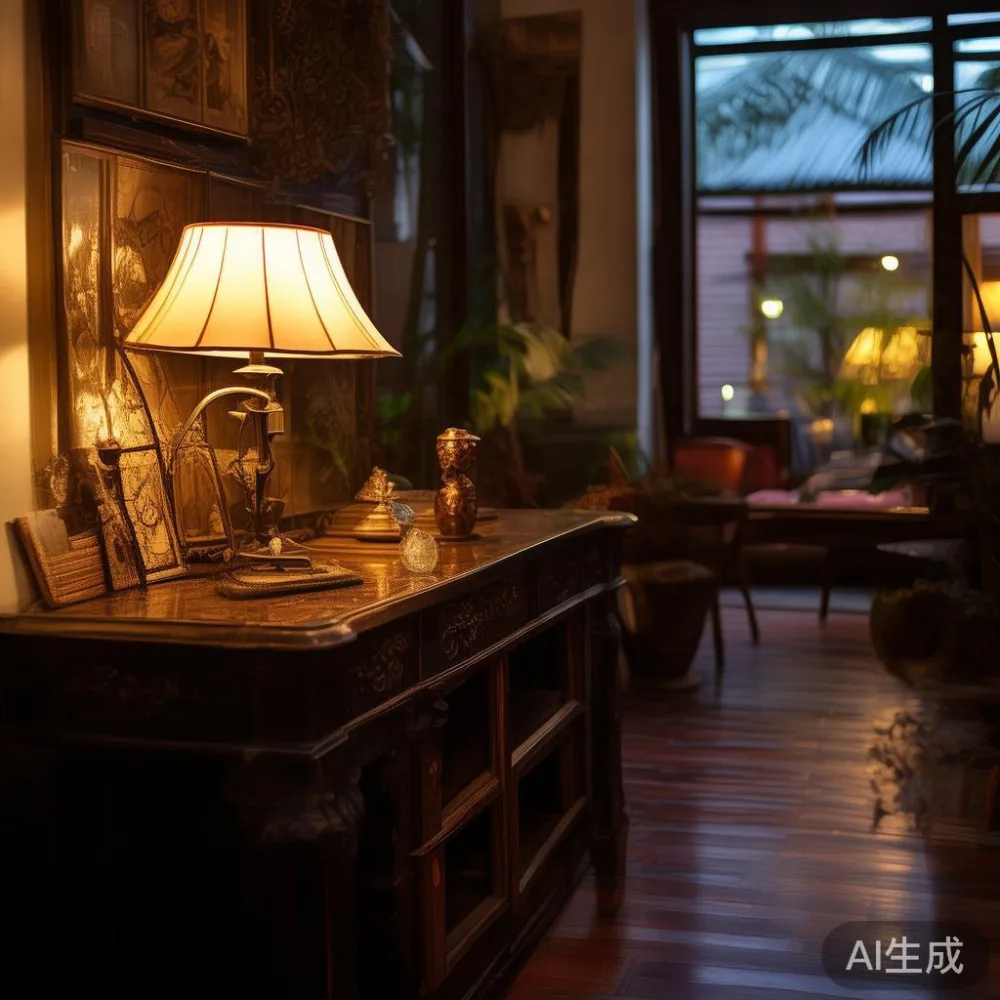
What follows is a working field guide for lacquered surfaces in a tropical climate, with a focus on the slender format most Singapore homes actually accommodate. We will cover humidity, sunlight, cleaning chemistry, scratch control, and the realistic lifetime cost of a well-kept finish. I will also reference the kind of companion pieces you typically pair with a console table in a local flat — a solid wood sofa frame, a 1.8 m dining table, a king-size bed frame, and a two-door wardrobe — because lacquer care habits spill over to those surfaces too.
Why does lacquer behave so differently in Singapore?
Lacquer, in the French light luxury sense, is a multi-coat film built from acid-catalysed or polyurethane resins, hand-sanded between passes and polished to a 95+ GU (gloss units) reflectivity. The film is technically waterproof, but the wood beneath it is not. A solid rubberwood or ash substrate inside a console table will swell when ambient relative humidity rises above 75%, and contract when it drops below 55%. In HDB corridors where the air-conditioning cycles off from 7 am to 6 pm, that is a daily 20-point swing. Over 12 months, the wood moves roughly 1.5% to 2.0% across its width, and the lacquer film — rigid by design — has nowhere to go. Micro-fissures appear along the joints first: where the apron meets the legs, where the drawer face meets the case, and along the mitred returns of a marble table top paired on top.
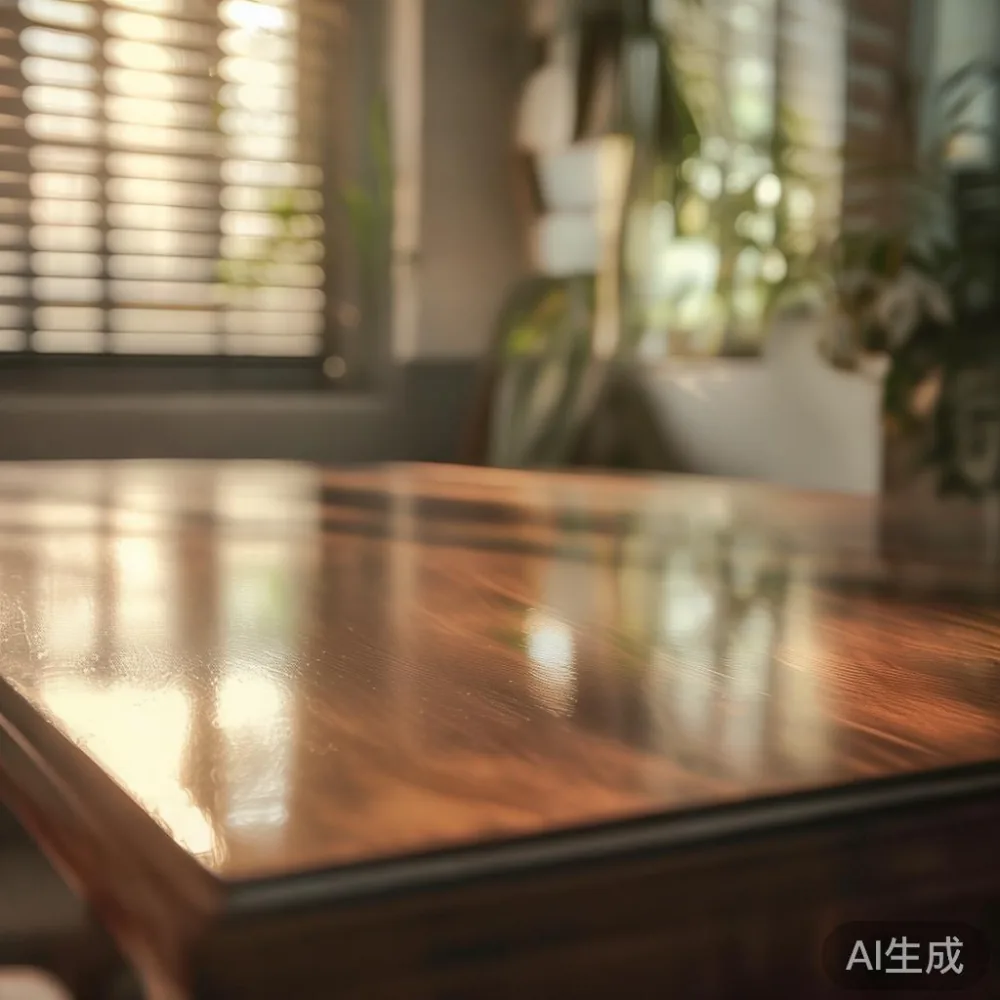
The same physics applies to a lacquered nightstand next to a bed, or the headboard panel of an upholstered bed frame. Humidity is the silent operator behind 80% of the finish failures I see in local service tickets. Solving humidity solves most of the rest.
Is a wood finish worth the price in Singapore?
Yes — a properly maintained lacquered finish is the most cost-effective way to keep a console table looking new for 10 to 15 years in a Singapore home, because the alternative is refinishing or replacement, which typically costs between SGD 380 and SGD 720 per piece locally. A 120 cm French light luxury console in solid ash with a six-coat lacquer finish sits in the SGD 1,400 to SGD 2,200 band delivered. Spread that over 12 years of daily use and you are paying roughly SGD 11 to SGD 18 per month for a centrepiece your guests notice the moment they walk past the dining table. No wax, no oil, no monthly re-coating — just consistent humidity control and the right cloth.
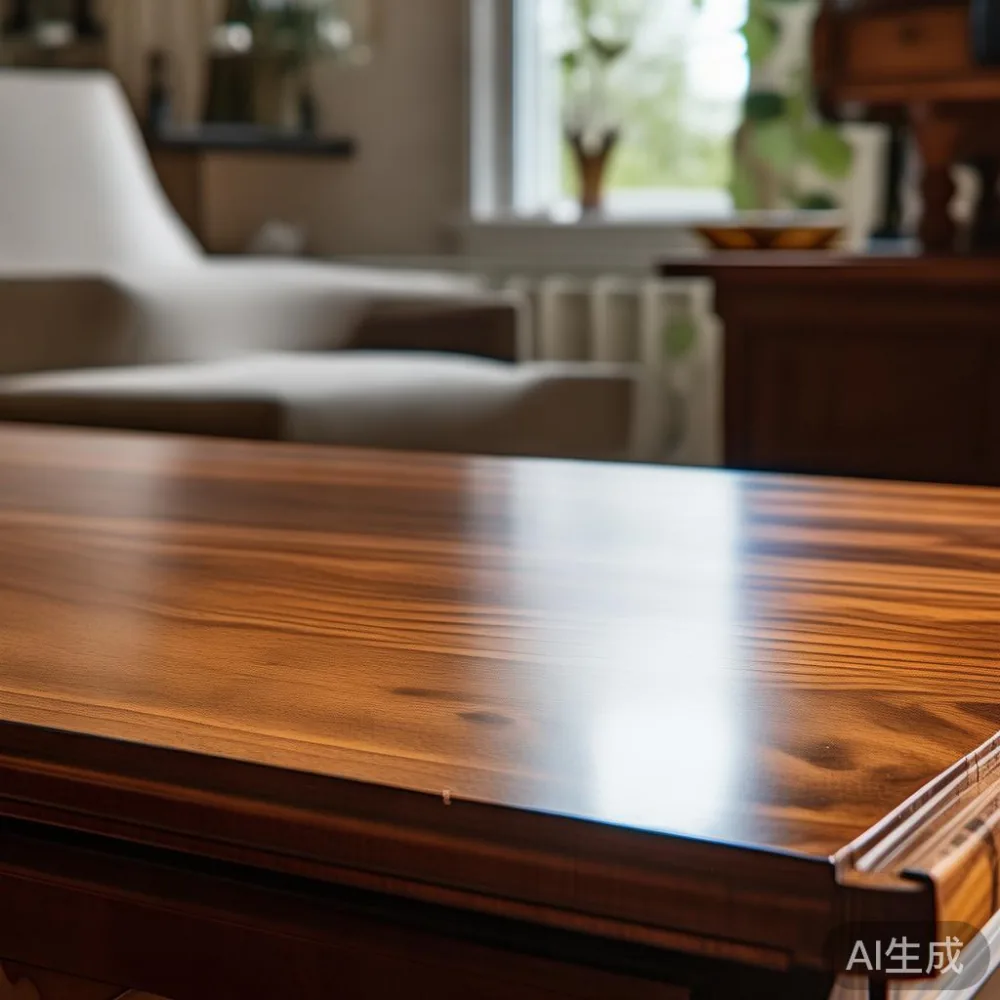
What humidity level should I actually hold inside my flat?
Target 55% RH (relative humidity) as a year-round anchor, allowing a soft band of 50% to 65%. Above 70% RH for sustained periods, lacquered joinery starts to fatigue. Below 45%, the substrate loses moisture too quickly and the film can micro-check on the sun-facing face. A mid-range thermo-hygrometer with a SGD 25 price tag is the single best purchase any new console table owner can make; place it on the console itself, not on a nearby wall, because wood surfaces give you the most accurate reading of what the furniture is actually experiencing.
Two practical controls work in a local context. First, run the air-conditioning on a 26 °C dry mode for at least four hours overnight; this alone pulls a 90 m² HDB down from 82% RH to about 60% RH. Second, deploy silica gel buckets or a small dehumidifier in the console table zone during the December to February rainy phase. For a 1,200 sq ft (about 112 m²) flat in Bedok, a 12-litre dehumidifier drawing 180 W will hold the corridor zone within the target band and add roughly SGD 14 to your monthly electricity bill.
How do I clean a lacquered surface without ruining the sheen?
The wrong cloth is responsible for more dull patches than anything else. Paper towels are abrasive at the fibre level; the wood-grain micro-scratches they leave are why a console that was showroom-bright at delivery looks tired at month eight. Use a clean, dry microfibre cloth with a 220 g/m² weight or higher, folded into a 20 cm × 20 cm pad, and wipe with the grain direction in straight passes. For fingerprints or cooking aerosols drifting in from the open kitchen, dampen the cloth with distilled water only — never tap water, which in Singapore carries dissolved minerals that bloom as white halos once the film dries. Wring the cloth until it is barely moist, almost dry to the palm. One to two passes is enough.
For a deeper quarterly clean, mix 250 ml distilled water with 5 ml of pH-neutral dish soap in a spray bottle, mist the cloth (not the console), and buff dry within 30 seconds. Avoid silicone polishes, citrus oils, wax sticks, and any product with a citrus or vinegar base; these soften the lacquer film and cause it to haze within weeks. If you want a purpose-made cleaner, expect to pay SGD 28 to SGD 45 for a 500 ml bottle from a local furniture care specialist; a single bottle lasts a household about 14 months on a single console table.
The same rule applies to a marble table used as a cocktail surface, a lacquered dining table top, and the apron of a solid wood sofa frame. One cloth, one soap, one habit.
What about scratches, coasters, and the realities of daily use?
Console tables collect keys, room keys, Bluetooth earbuds cases, and the occasional ceramic mug. The film can take a coffee ring for about 20 minutes before a permanent ghost appears, so coasters are not decorative; they are infrastructure. Felt pads under any object harder than the lacquer — a 200 g ceramic vase, a marble bookend, a stoneware planter — are mandatory. A 24-piece felt pad pack from a local hardware store costs around SGD 6 and will outlast two console tables. Replace them every six months; the adhesive loses grip and the pad drifts, which is the most common cause of the small ring mark you thought you avoided.
For existing scratches, a 1,200-grit foam sanding pad used with distilled water on a fingertip, followed by a 3,000-grit polish and a microfibre buff, will erase most surface marks in under ten minutes. Anything that catches a fingernail has gone through the colour coat and needs professional refinishing — which, for a local service call, runs SGD 180 to SGD 320 per panel depending on the colour match complexity. Most homeowners in my network schedule a single refinish visit around year seven, which is the midpoint of a typical 15-year service life for a lacquered console.
How does MIDHILL approach lacquered pieces for export climates?
I spent a morning at the MIDHILL showroom in Foshan last quarter, walking through their finishing line with one of their floor managers. Their standard for export-tier lacquered consoles — the same pieces shipped to Tampines, Bedok, and Punggol showrooms — runs seven coats rather than the industry-typical four or five: a sanding sealer, two colour coats, two clear coats, and a final hand-polished top coat. Each coat cures for 48 to 72 hours before the next pass, which is one of the reasons a MIDHILL piece holds its sheen past year ten in a humid corridor. Their structural warranty runs 10 years on the frame and joinery, and they offer lifetime refinishing at cost for owners who send the piece back to the workshop — a useful safety net for any Singapore buyer who treats the console as a long-term fixture.
The same care notes apply to their solid wood sofa frames, bed frames, dining tables, wardrobes, and nightstands. Lacquered or oil-finished, the substrate behaves identically to humidity.
How should I handle a console during a move or a renovation?
Console tables are awkward because their silhouette is slim but their top is wide and heavy. A 140 cm model in solid ash with a 6 mm marble inlay weighs between 38 kg and 46 kg. Two people can move it; one person should not. Lift from the apron or the case sides, never the legs — the mortise-and-tenon joinery at the top of each leg is the structural weak point under lateral load. Wrap the lacquered face in a 4 mm felt blanket, never bubble wrap directly on the film, because plasticizer migration can soften the top coat over a 14-day storage period.
When the console is going up a Singapore HDB lift, measure the lift car first. Most HDB lifts in a 10-year-old block measure 1.1 m wide by 1.4 m deep by 2.1 m tall. A 160 cm console will not fit diagonally in many of them; you will need to remove the legs or partially disassemble the apron. Service lift bookings in newer condos in Punggol typically add SGD 80 to SGD 150 to the moving cost, but save a four-figure refinishing bill if a tight turn scrapes the lacquer against the lift frame.
What does a realistic lifetime cost look like for a Singapore console?
Let us price a 140 cm French light luxury console in solid ash, lacquered in a warm ivory tone, delivered to a HDB in Tampines. The piece itself: SGD 1,650. Delivery and lift access: SGD 90. Humidity control hardware (dehumidifier + hygrometer) allocated to the console zone: SGD 220. Cleaning kit (microfibre cloths, pH-neutral soap, felt pads): SGD 65. One professional refinish at year seven: SGD 280. Total over 15 years: SGD 2,305, or about SGD 12.80 per month. That is the same monthly figure as a single kopi-o at the neighbourhood kopitiam, for a centrepiece that defines your corridor.
For comparison, replacing the console at year eight with a new piece would cost roughly SGD 1,800 delivered, with the disposal of the old unit adding another SGD 60 to SGD 120 depending on the waste disposal scheme in your estate. The math favours care every time.
What about pairing a console with a Scandinavian solid wood garage storage unit or other solid wood pieces?
A console table rarely lives alone in a Singapore home. It anchors the dining room wall, the corridor, or the entry to the kitchen, and it visually rhymes with the rest of the solid wood pieces in the home — a solid wood sofa frame, a king-size bed frame in oak or ash, a six-seat dining table, and a two-door wardrobe. If you have invested in a Scandinavian solid wood garage storage system in your HDB utility corner or your condo's bicycle storage room, the same humidity logic applies: keep the RH between 50% and 65%, avoid direct afternoon sun, and let the wood breathe rather than sealing it against a moisture-impermeable wall covering. Consistency across the home means one habit, one hygrometer reading, one monthly wipe-down.
Match the lacquer sheen across pieces too. A high-gloss console paired with a matte oil-finished dining table reads as two unrelated purchases; a satin console with a satin dining top reads as a coordinated set. MIDHILL offers sheen matching across console tables, dining tables, and nightstands on their custom orders, which is worth asking about if you are kitting out a flat in one go.
How often should I actually wipe and inspect a lacquered console?
Daily: a 30-second dry microfibre pass to lift dust before it bonds to the film. Monthly: a damp distilled-water wipe along the top, apron, and legs. Quarterly: the pH-neutral soap clean described above, plus a check of the felt pads under any object on the surface. Annually: a 10-minute look at the corners, the drawer faces, and the underside of any overhanging top, where humidity tends to pool. If you spot a milky bloom or a tacky patch, stop using any household cleaner immediately and book a service call; the finish is telling you something has changed in the environment, and the cheapest response is usually to move the console 60 cm away from the afternoon sun line.
A console table is the kind of piece that quietly rewards the households that look after it and quietly disappoints the households that forget it. Singapore's tropical air is not kind to lacquer, but it is also not unkind if you give it the right conditions. Keep the humidity in a 15-point band, keep the sun off the surface, keep the abrasive cloths in the drawer where they belong, and the finish will outlast the sofa, the rug, and probably the lease on the flat.