The Anatomy of a Price Tag: What Actually Drives the Cost of Solid Wood Furniture
Walking through a furniture showroom in Singapore, the price difference between two seemingly similar console tables can be staggering. One might be a simple, rectangular piece of wood priced at SGD 450, while another, perhaps with a more elegant silhouette, commands SGD 1,800. As a specialist who has spent years examining the craft behind Foshan furniture, I can tell you the price is not arbitrary. It is a reflection of a journey that begins in a forest and ends in your HDB flat or condo corridor, passing through the hands of skilled artisans, engineers, and logistics experts. This article will dissect the factors that contribute to the final price you see on the tag, moving beyond simple aesthetics to reveal the substance, skill, and structure that define true value.

Why Does a Console Table Made from Solid Wood Cost More Than a Veneer One?
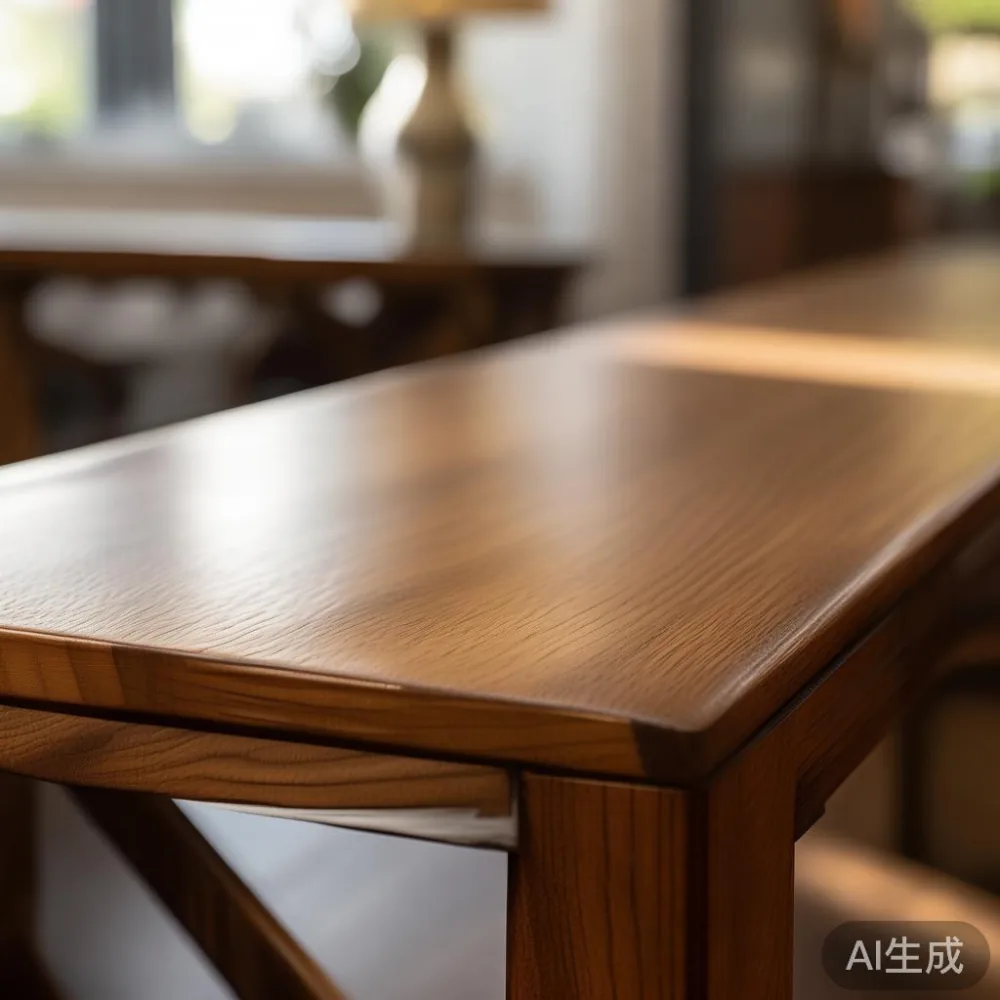
The most fundamental distinction in furniture pricing lies in the material itself: solid wood versus wood veneer. A solid wood console table is, as the name implies, crafted from a single, solid piece of lumber. For a typical console table measuring 120 cm in length, 35 cm in depth, and 80 cm in height, this means a significant volume of timber. We are talking about approximately 15-20 kilograms of solid oak, mango, or acacia. This single block of wood must be carefully selected, kiln-dried to a precise moisture content of 8-10% to prevent warping in Singapore's humid climate, and then meticulously shaped and sanded. This process is labor-intensive and material-heavy. In contrast, a veneered console table uses a thin slice of real wood (the veneer) glued onto a substrate like MDF or particleboard. The material cost for the veneer is a fraction of the solid wood, and the substrate is cheaper and easier to work with, requiring less drying time and less skilled labour to shape. The result is a lower price point, but one that sacrifices the inherent durability, repairability, and the unique character of a solid wood piece. A solid wood console table can be sanded down and refinished multiple times over its lifetime, a promise that extends to many of our pieces at MIDHILL.
How Does the Type of Wood Dictate the Price of a Console Table?
Not all solid wood is created equal. The species of wood used is a primary driver of cost, determined by three main factors: scarcity, density, and aesthetic appeal. Exotic hardwoods like American walnut, European oak, or teak are significantly more expensive than common softwoods like pine or rubberwood. A console table made from European oak, known for its prominent grain patterns and durability, will almost always be priced higher than one made from pine. The density of the wood also impacts the price. Hardwoods are denser, requiring sharper tools and more power to cut and shape, which increases production time and machine wear. Also, the aesthetic qualities play a role. Woods with a straight, consistent grain are easier to match for a uniform look, while those with dramatic, swirling patterns like mango wood are more challenging to work with but offer a unique visual appeal that commands a premium. The choice of wood is not just about looks; it's about the longevity and feel of the furniture. A solid wood console table made from a durable hardwood will feel substantial and will last for generations, unlike its softer wood counterparts.

Is a Hand-Finished Console Table Really Worth the Extra Money?
While the material forms the foundation of a console table, the craftsmanship is what brings it to life. This is where the difference between a machine-made and a hand-finished piece becomes apparent. Hand-finishing involves a multi-step process performed by skilled artisans. After the table is sanded, a craftsman will apply a stain or oil by hand, ensuring an even coat that penetrates the wood grain. This is followed by several coats of a protective lacquer or wax, each applied by hand and hand-sanded between coats to create a flawless, glass-like finish. This level of detail takes time. A single console table can take 3-4 days for the finishing process alone. In contrast, a machine-finished piece might have a quick spray coating that lacks the depth and richness of a hand-applied finish. The human touch adds an element of uniqueness and quality that cannot be replicated by automation. My colleague, who visited our Foshan workshop last month, noted that the artisans there spend an entire morning just on the final buffing of a single marble table top to achieve the perfect sheen. This dedication to detail is a hallmark of quality furniture and a key reason for the price difference.
Does the Design and Construction Method Affect the Long-Term Value?
Beyond the surface, the internal construction of a console table is critical to its structural integrity and, consequently, its price. A well-made console table will feature dovetail or finger-jointed corners for the drawers and a sturdy mortise-and-tenon or dowel joint for the legs and apron. These methods create a strong, interlocking connection that prevents the frame from racking or loosening over time. Cheaper furniture often relies on simple butt joints held together with staples or nails, which are far less durable. The internal bracing is another factor. A high-quality console table will have cross-braces or a thick, solid back panel to provide rigidity and prevent the table from twisting. The drawer slides are also a point of differentiation. A solid wood console table with full-extension, soft-close drawer slides, made from steel or brass, will be more expensive than one with basic wooden slides. These construction choices are not visible at first glance, but they ensure the table remains stable and functional for decades, protecting your investment. For a console table placed in a high-traffic area like the entrance of a Tampines HDB flat, this solid construction is non-negotiable.
What Role Does Brand Heritage and Warranty Play in the Final Price?
When you invest in a solid wood console table from a brand like MIDHILL, you are not just buying a piece of furniture; you are buying peace of mind. This peace of mind is built on a foundation of brand heritage, quality control, and comprehensive after-sales support. A company established in 2008, with over 15 years of experience exporting to countries with high standards, has a reputation to uphold. This means every piece undergoes rigorous quality control checks before it leaves the factory. Also, a substantial warranty is a significant indicator of a product's quality. A 10-year structural warranty on a console table is a promise from the manufacturer that they stand behind the durability of their joinery and frame. This level of confidence is absent in cheaper, mass-produced furniture. The warranty is backed by a service infrastructure, which includes a lifetime refinishing service. This means that years down the line, if the finish on your console table becomes worn, you can have it professionally restored to its original condition, something that is impossible with a veneered piece. This long-term commitment to the customer's experience is a factor built into the price, ensuring that your purchase is a lasting one.
How Do Local Factors in Singapore Influence the Cost of Furniture?
The final price of a console table is also shaped by the specific context of the Singapore market. A key consideration is the Goods and Services Tax (GST), which is added to the final price of most goods. This 9% tax is a standard component of the retail price. Logistics present another significant factor. Singapore's urban landscape, with its high-rise HDB flats and condos in areas like Bedok and Punggol, requires specialised delivery services. Furniture must be manoeuvred through narrow corridors and standard-sized lifts, which have internal dimensions of approximately 110 cm by 110 cm. A console table must be carefully packaged and sometimes disassembled to fit. This requires custom packaging materials and skilled delivery personnel. Free shipping over SGD 350 is a valuable service that simplifies the purchase process for the customer, but it is a cost absorbed by the brand. For a heavy item like a console table, delivery can involve a two-man team and specialised vehicles, adding to the operational cost. These local logistical challenges are factored into the price to ensure a smooth experience for the customer, from the showroom floor to their living room.
Is European Light Luxury the Only Style Worth Considering for a Console Table?
The style of a console table is a matter of personal taste, but certain design philosophies carry different price points due to their complexity and material choices. The concept of European light luxury, for example, favours clean lines, subtle curves, and a focus on high-quality materials like solid wood and marble. A console table in this style might feature a slim profile made from European oak, with a top in Carrara marble. This combination of premium materials and minimalist design requires precise engineering to ensure stability and visual harmony. It’s a style that prioritises understated elegance over ornate decoration. On the other hand, a French provincial console table would feature more elaborate carvings, a distressed finish, and more ornate hardware, all of which add to the labour cost. The choice of style is not just about aesthetics; it’s about how well the piece integrates into your living space. For instance, a Japandi for small living room often calls for a console table that is not only visually light but also physically compact, which can influence the design and material choices. The question is not which style is best, but which style aligns with your personal vision for your home and the functionality you need.
Why is a Solid Wood Console Table a Better Investment Than Alternatives?
When viewed as a long-term investment rather than a simple purchase, the price of a solid wood console table begins to make more sense. Unlike fast furniture made from particleboard and veneers, a solid wood piece does not depreciate in value; it can even appreciate. Its durability means it can be passed down through generations, becoming a family heirloom. The ability to refinish it allows you to update its look to match changing interior design trends without replacing the entire piece. Consider the alternative: a cheap console table might last 3-5 years before the laminate peels, the drawers fall apart, or the structure warps from Singapore's humidity. At that point, you would have to spend another SGD 400-600 on a replacement, totalling SGD 800-1,200 over a decade. A high-quality solid wood console table, while a larger initial outlay, could easily last 30-40 years with proper care. This longevity is a core part of its value. It’s the same principle behind asking is European bed worth it—the initial cost is higher, but the decades of use and timeless design make it a sensible choice for a master bedroom. A console table, placed in your entryway or behind a sofa, is a piece you interact with daily, and its quality should reflect that importance.