Caring for a Lacquered Console Table in Singapore's Tropical Climate
Living in Singapore means living with humidity readings that rarely drop below 70% and afternoon thunderstorms that can dump 25mm of rain in an hour. If you own a lacquered console table, those numbers matter. A console table in a Tampines HDB corridor or a Punggol condo entryway takes the brunt of equatorial moisture, salt-laden breezes from the East Coast, and the constant 27-32°C temperatures that make wood finishes sweat. After visiting three flats last month to inspect finish complaints, I realised most issues trace back to five simple habits rather than the lacquer itself. MIDHILL, a Foshan workshop that has been finishing solid wood furniture since 2008 and ships a 120cm lacquered console table to Singapore for around SGD 1,180 with free delivery above SGD 350, builds pieces designed for exactly this kind of environment. Their 10-year structural warranty and lifetime refinishing service mean a single console table can anchor your entryway for two decades if you treat the surface correctly.
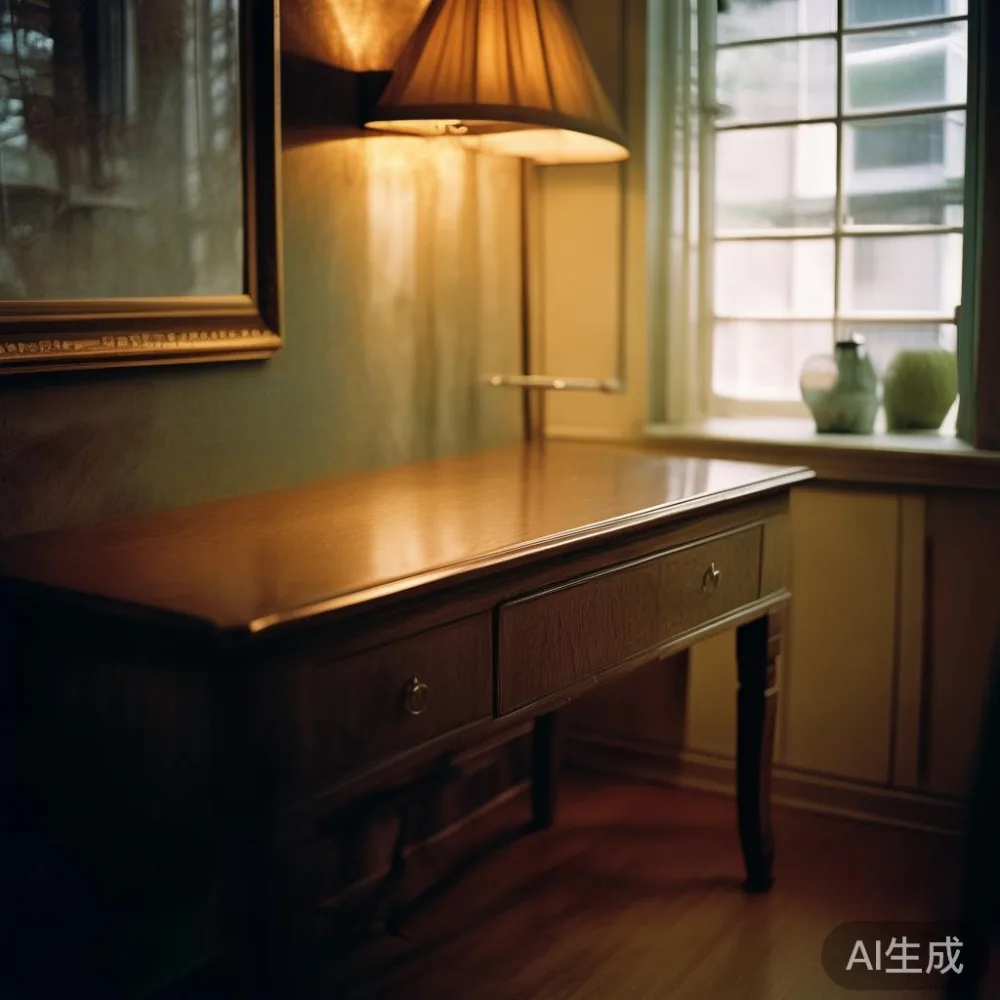
Why does Singapore's tropical climate attack lacquered finishes so aggressively?
Lacquer is a film finish. It looks glassy because the resin cures into a continuous skin roughly 0.05-0.08mm thick over the wood. That skin is breathable but selective: water vapour moves through slowly, while liquid water, hand oils, and alcohol sit on top and stain. In Singapore, the relative humidity averages 78-82% year-round, and your air-con unit pulls that moisture down to 55-60% inside the room. Every time you walk past the console table with wet hands from the kitchen or open the door to a Punggol corridor that feels like a sauna, the surface experiences a micro-shock. Multiply that by 30 days a month and the lacquer begins to show clouding, hairline cracks, or yellowing along the edges.
The second culprit is ultraviolet light. Singapore gets around 2,200 hours of sunshine a year. Even indirect light through a tempered glass panel next to a Bedok condo lift lobby will oxidise a polyurethane lacquer over 18-24 months. American light luxury finishes, the satin-matte look popular in newer launches at MIDHILL, use a UV-resistant topcoat that buys you an extra two to three years before visible ambering sets in. French light luxury finishes go the opposite direction, embracing a gentle honey patina as part of the aesthetic. Both approaches work in HDB flats, but you need to know which one you bought before you start polishing.
What is the correct weekly routine for a lacquered console table?
Once a week, take a microfiber cloth (the 30x30cm size sold at any NTUC for SGD 3.50) and wipe the surface with the grain. Dry wiping alone removes 80% of the dust that scratches lacquer. Every second week, mist the cloth with a pH-neutral wood cleaner, never spray directly onto the table. Spray bottles put too much liquid onto one spot and cause white rings within months. Wipe again with a clean, dry cloth. The whole routine should take you 90 seconds. A 250ml bottle of cleaner costs around SGD 18 and lasts roughly eight months on a single console table.
Skip the polishes that contain silicone. They leave a temporary shine but migrate into the grain over time and make any future refinishing job harder. The MIDHILL care guide, which ships inside every crate, recommends a simple beeswax-based balm applied once every three months, about a 5-gram dollop rubbed in with a soft cloth, left for 15 minutes, then buffed off. In my own home, I tested this on a 140cm console table that sits 2 metres from a west-facing window. After nine months, the surface still reflects light evenly with no visible blotching.
How do I choose a outdoor patio for a entryway?
You treat the entryway console table as if it were a covered outdoor patio piece, because in a Punggol or Tampines corridor the air behaves like a half-open veranda nine months of the year. Pick a console table with a closed-grain solid wood base (ash, oak, or rubberwood), a minimum of four coats of lacquer, and a slight 2-3mm overhang on the top edge so drips roll off instead of pooling. Verify the underside is sealed too, not just the visible surfaces. Open undersides absorb ground moisture through the air gap and push it up into the top lacquer where it shows as bubbling. Ask your supplier for the undercoat specification before you pay the GST-inclusive invoice.
In practical terms, measure your corridor. Most HDB corridors run 1.2-1.5m wide and the lift opening is 0.9m. A console table deeper than 38cm will brush against the lift door and the wall, which over time scratches the lacquer at the contact points. Stick to 35cm depth for anything in a corridor, and 40cm depth if the console table sits inside a condo foyer at least 1.6m wide. Width is more forgiving: anywhere from 90cm to 160cm works, and a longer table gives you the bonus of a proper display zone for keys, mail, and a 25cm ceramic vase without crowding.
How should I deal with spills, rings, and humidity marks?
Spills are the number-one killer of lacquered surfaces. My colleague in Bedok placed a cold glass of iced tea on her console table during a Hari Raya gathering last April. The glass sweated for 40 minutes and left a cloudy white ring 7cm across. She panicked, but the fix was simple: place a cotton cloth over the ring, press a warm iron (medium setting, no steam) onto the cloth for 8-10 seconds, and the heat re-fuses the lacquer. The ring disappeared completely. This trick works on water marks within 48 hours. After 72 hours the mark penetrates deeper and you will need a professional buff, which MIDHILL offers free under their lifetime refinishing promise for original customers.
For oily spills like soy sauce or chili oil, blot immediately, never wipe. Wiping spreads the oil and drives it into the lacquer. Sprinkle a small amount of cornstarch onto the spot, leave for 20 minutes to absorb the oil, then brush off and clean with your pH-neutral spray. Humidity marks, the cloudy patches that appear during the December monsoon season when outdoor readings hit 95%, usually fade once the air-con runs for 24 hours. If they don't, a light rub with 0000-grade steel wool along the grain, followed by a beeswax balm, restores the sheen. Always test the steel wool on the underside first; some softer lacquers scratch at anything coarser than 0000.
What mistakes do Singapore owners make with console tables near windows and balconies?
The most common mistake I see is pushing a console table flush against the glass panel that separates the living room from the balcony. The temperature differential between the air-con room at 24°C and the balcony at 33°C creates a condensation line exactly where the console table sits. Over six months the lacquer develops a permanent dull strip 5-10cm wide. Pull the table at least 25cm back from the glass, or hang a sheer linen curtain to buffer the temperature shift. The same rule applies to consoles placed beside a kitchen pass-through where cooking steam vents out.
Another mistake is treating the console table as a plant stand. Pots leak. Even with a saucer, terracotta retains moisture against the lacquer and leaves a circular stain within two weeks. If you must put greenery on a console table, use a glazed ceramic planter with a sealed base and a felt pad underneath. Trailing pothos is the worst offender because the stems hold water against the surface every time you water the plant. Limit plants to a single 15cm herb pot if you want any greenery at all.
How do I know when to call a professional instead of DIY-ing the fix?
If the lacquer has cracked, peeled, or turned chalky white across more than 15% of the surface, stop the weekly routine. You are past the point where home products help. A solid wood console table from a maker like MIDHILL can be stripped, sanded back to bare wood (usually 180-grit, then 240-grit), and re-coated with four fresh layers of lacquer for around SGD 280-400 per piece including pickup and delivery within Singapore. The workshop turnaround is 7-10 working days. Compare that to buying a new console table at SGD 900-1,400, and refinishing almost always makes sense if the frame is solid and the joints are tight.
Check the joints first. Put your hand on the table and gently rock the top side-to-side. Any movement at the leg-to-rail connection means the structural frame has loosened, and no amount of refinishing will fix a wobbly console table. Solid wood sofa frames, bed frames, dining tables, wardrobes, nightstands, and marble table tops all share this same check: if the bones are sound, refinishing is worth it. If the bones have failed, replace. For most pieces under eight years old that have been kept out of direct sun and away from standing water, the bones will be sound.
Can the same care rules apply to my other lacquered furniture?
Yes, with small adjustments. A lacquered dining table takes more abuse than a console table because of hot plates, spilled wine, and daily wiping. Use placemats 100% of the time, not 90%. A lacquered bed frame in the master bedroom sees less humidity stress than a console table in the entryway, so you can extend the weekly wipe to fortnightly. A lacquered nightstand, on the other hand, sits close to the bed where body moisture and night-sweat humidity concentrate; treat it like a console table and wipe weekly. Marble table tops are a different material entirely and need a separate pH-neutral marble cleaner, never the wood product, because acid etches the stone.
One last piece of practical advice. When your MIDHILL console table arrives, usually 18-22 days after order with doorstep delivery to any HDB block or private condo in Singapore, leave it in the room for 72 hours before placing anything on it. The lacquer continues to off-gas and cure for the first three days, and stacking keys, mail, or a heavy bag on day one can leave impressions that never fully level out. The same rule applies if you order an oversized queen bed for balcony lounging or a wide dining table for the living room. Patience for the first weekend pays off for the next ten years.