Veneer vs Solid Wood Console Tables: A 5-Year Cost Comparison
A console table sits in one of Singapore’s most demanding positions: a narrow entrance wall in an HDB flat, a compact dining area in a Tampines condo, or a hallway near the lift in Bedok or Punggol. It handles bags, keys, a lamp, and daily visual scrutiny, while its width must negotiate corridors, lift doors, and turning space. Choosing between veneer and solid wood is therefore not only an aesthetic decision. It is a decision about purchase cost, maintenance, repair risk, and what the table will look like after 5 years.
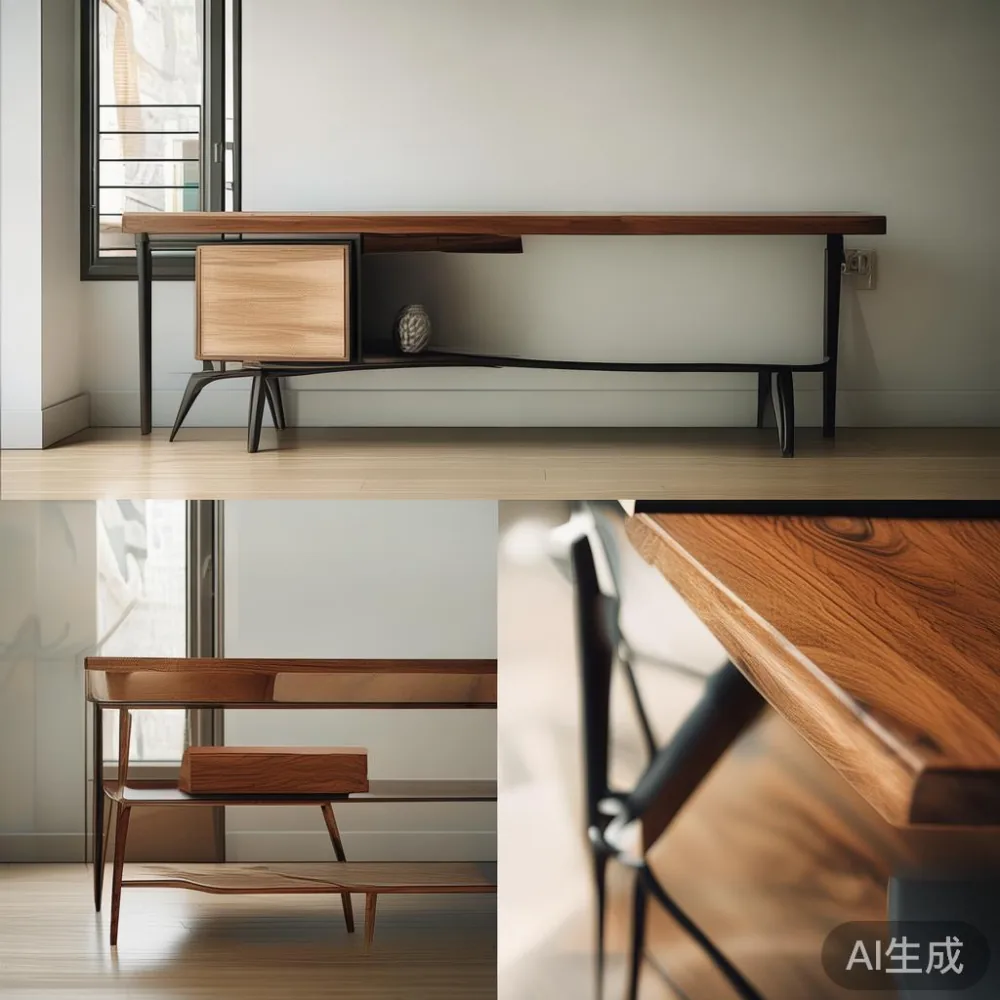
For this comparison, I priced a representative console table in Singapore dollars, including GST where relevant, then accounted for plausible maintenance and replacement expenses over 60 months. I also visited my colleague’s home last month to inspect a 120 cm solid wood console table that had been used in a family entryway for roughly 18 months. Its observations provide a practical counterpoint to showroom pricing.
What exactly are we comparing over 5 years?
Both options use wood as the visible surface. A veneer console table has a thin, sliced layer of timber, usually about 0.6 mm to 1.2 mm, bonded to a engineered or engineered-core panel. A solid wood console table is cut from solid boards, with a species such as oak, ash, walnut, or teak used across the visible structure. A solid surface does not automatically mean a large slab: many pieces combine solid components with a stable rear panel and engineered elements for movement control.
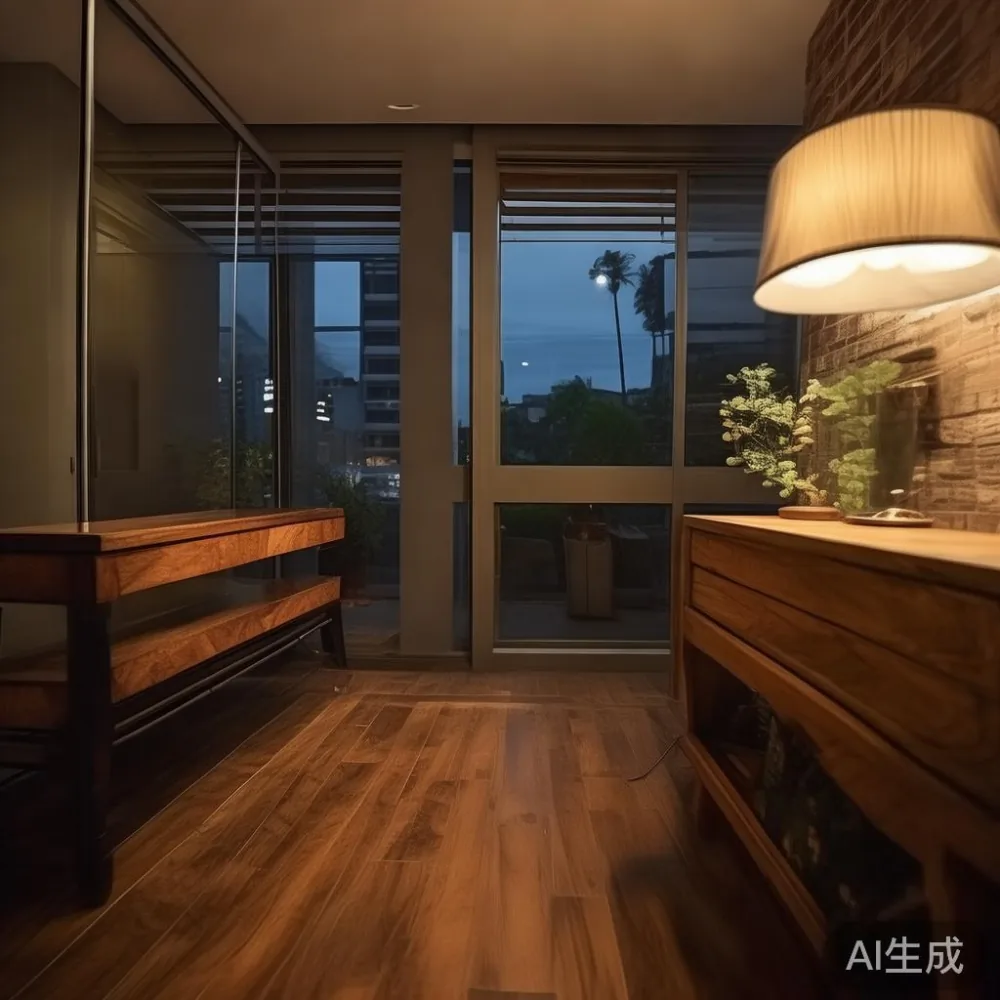
For a fair comparison, I used a 120 cm wide, 35 cm deep, 75 cm high console table with 2 drawers and 2 open shelves. That size can sit against a living-room wall without blocking a common HDB circulation route, and it can fit through many condo corridors if the packaging is checked in advance. The assumed weights were 28 kg for the veneer model and 42 kg for the solid wood model. The heavier piece needs more care when moving and may require two people.
The figures below are planning estimates rather than quotations. Singapore furniture prices vary by timber, finish, drawer hardware, and joinery. GST is included at 9% where stated. Delivery was calculated within Singapore, and the comparison assumes that both tables are cared for in normal indoor conditions, without flooding, direct sun, or paint spills.
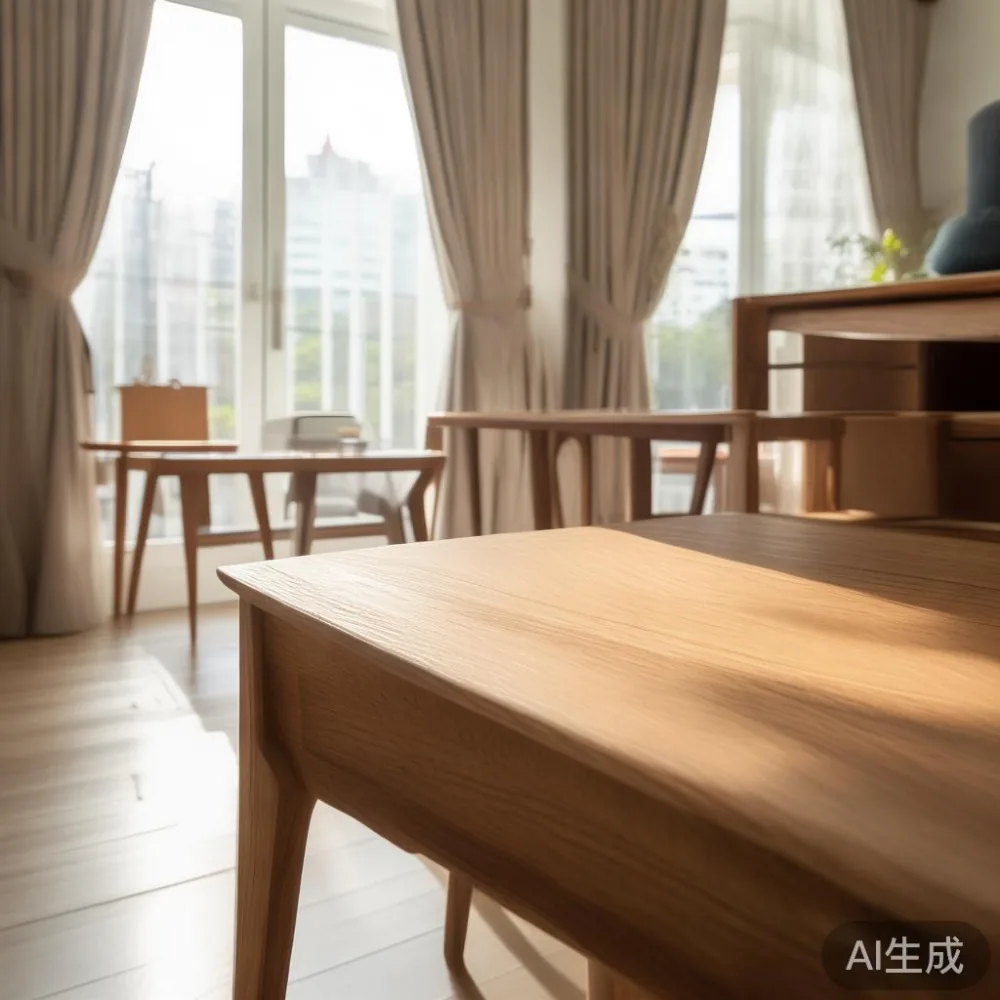
What does a veneer console table cost in the first year?
A mid-range veneer console table may cost SGD 620 before GST, or about SGD 676 after 9% GST. A comparable solid wood console table may cost SGD 1,280 before GST, or about SGD 1,395 after GST. The solid wood table costs SGD 719 more at purchase. That gap already consumes most of the annual maintenance allowance for a carefully used veneer table.
Delivery can add SGD 45 to SGD 95 for either model, depending on the lift booking, carrying distance, and whether the box must be turned at a stair landing. A straight HDB unit with an accessible ground-floor route may remain near the lower end. A high-floor condo with a long corridor and restrictive lift may reach the upper end or incur a second delivery attempt.
Veneer can chip at an exposed corner or drawer edge. A small repair kit may cost SGD 18, while professional colour matching can cost SGD 85 to SGD 180 per damaged area. Solid wood can scratch, dent, or develop a finish mark, but a local scratch repair may cost SGD 25 to SGD 70 if the surface is still present. Deep splits or joint movement are less common, yet they can cost SGD 120 to SGD 300 to rectify.
During my colleague’s visit, the 42 kg solid wood console table had moved through a narrow corridor after the carton was opened, and two people carried it upstairs. The veneer table my colleague considered buying weighed 28 kg and had a removable drawer that simplified installation. Neither weight is excessive for a console table, but the difference matters in a compact HDB flat where the owner may be handling the move alone.
How much does a solid wood console table cost over 5 years?
Over 60 months, I assigned the veneer table SGD 60 per year for polishing and colour-matched touch-ups, plus SGD 120 for one possible edge repair and SGD 85 for a delivery hiccup. That gives a 5-year running figure of SGD 565. The initial SGD 676 table then reaches SGD 1,241 in total.
For the solid wood table, I assigned SGD 35 per year for careful care, SGD 90 for a likely scratch or finish repair, and SGD 90 for delivery contingency. The 5-year running figure is SGD 355, producing a total of SGD 1,750. On these assumptions, solid wood costs SGD 509 more than veneer over 5 years. The result changes if veneer suffers major edge damage, or if the solid table is regularly sanded and refinished, but ordinary indoor use should not be confused with frequent restoration.
Table height also affects use. At 75 cm, the surface clears most console-height lamps and small decor, while the 35 cm depth gives room for a 22 cm tray, a 12 cm stack of books, or a 15 cm vase without crowding the wall. For a narrow dining zone, a 90 cm version may be more practical, with a typical weight of 21 kg for veneer and 32 kg for solid wood.
Which surface looks better after 60 months?
Appearance after 5 years depends more on finish quality and daily treatment than on the label. Veneer has a uniform face because the sliced leaf is selected for colour and grain. It can look exceptionally refined in French light luxury, where a pale oak surface and restrained hardware create an airy entryway. It also suits post-modern light luxury when paired with simple forms and contrasting materials.
Solid wood develops small marks that can make it appear more tactile and lived-in. It can suit American light luxury styling, where visible grain and warm timber feel at home beside leather, linen, or brushed metal. Yet solid wood is not automatically superior visually. A poorly finished veneer edge can reveal the core, while a well-built solid table can look calmer and more substantial as the grain mellows.
One important detail is light exposure. A console table beside a west-facing HDB window may receive several hours of direct afternoon sun. UV exposure can fade veneer and alter solid wood colour, although both materials respond over time. Rotating decorative objects, using blinds, and applying a fresh protective coat every 12 to 24 months reduce contrast. Avoid placing a hot kettle or damp flower vase directly on either surface.
Cleaning should be gentle: a microfibre cloth with a lightly dampened cloth, dried immediately. Do not use alcohol, silicone spray, or abrasive powder. These instructions also apply when comparing related pieces such as a solid wood sofa, a bed frame, a dining table, a wardrobe, or a nightstand. The same timber care principles carry across categories, although dimensions and use differ.
Are there hidden costs when a console table must pass through a lift?
The most overlooked expense can be access. Measure the console table’s longest dimension in its carton, not only the furniture dimensions. A 120 cm table packed for protection may have a carton around 126 cm long, 42 cm wide, and 18 cm high. Add the packing thickness and check that the lift door and internal diagonal do not create a tight clearance.
For an HDB tower, the lift opening might be 90 cm wide and 210 cm high, while the internal car could measure 140 cm by 135 cm. A 120 cm table can often fit diagonally, but a boxed 132 cm marble table with a marble top needs a different calculation because its weight and fragility make movement less forgiving. For a console table, removing drawers, securing hardware, and using a two-person carry can prevent damage and avoid a second trip.
At the condo level, ask whether the building requires a moving-in booking, protective floor covering, or a service lift deposit. A delivery fee of SGD 65 may therefore become SGD 145 after coordination. MIDHILL offers delivery arrangements and a 14-day return window, but specific Singapore access charges should still be confirmed before the order is scheduled. The company was established in 2008, exports to more than 15 countries, and supports its furniture with a 10-year structural warranty and lifetime refinishing service, which reduces long-term uncertainty when the timber needs restoration.
What should buyers in Tampines, Bedok, and Punggol choose?
Choose veneer when the main priority is a lower initial outlay, a very even surface, and a relatively lightweight console table that can be moved through a compact flat. Choose solid wood when tactile grain, repairability, and the intention to keep the piece for a decade or more outweigh the purchase premium. A solid table can also carry more meaningful family use, such as holding a heavier lamp, a tray, and decorative objects, without the same concern about thin engineered components.
Think about the household’s real routine. In a family flat, a console table may receive school bags, parcels, and frequently handled cables. A veneer surface will show scuffs faster if it has a glossy finish. Solid wood with a matte or low-sheen finish may disguise minor marks better, and its surface can be sanded when refinishing is needed. For a quiet condo, a veneered console can be visually calmer and may coordinate more easily with a European light luxury dining table or a European bed vs Modern bed comparison.
The wording around product styles matters less than proportion. A 120 cm console table with slim legs, 2 drawers, and open shelving works with a solid wood sofa, a bed frame, a dining table, a wardrobe, a nightstand, or a marble table. The console should not compete with those larger pieces; it should provide a measured landing zone. For Japanese-inspired rooms, a low, uncluttered console can support how to style Japandi bed in bedroom layouts, but the console itself can remain a practical 75 cm high.
Some owners researching a European light luxury bed vs Japandi bed are also comparing tables, and a search for the best Minimalist bed for 2026 can lead to broader questions about whether furniture should be replaced or maintained. That same maintenance logic applies to a console table. In a showroom for luxury Italian light luxury furniture, provenance and finish may drive the choice; for an HDB buyer, dimensions, lift access, and 5-year costs are usually more immediate.
What is the practical 5-year buying recommendation?
For the representative model, veneer is the lower-cost option over 5 years: SGD 1,241 compared with SGD 1,750 in the example. Solid wood offers greater repair potential and a more substantial feel, but it begins with a premium of roughly SGD 719. If a buyer intends to keep the console for 5 years or longer, that premium can be justified by frequent use and an interest in refinishing rather than replacement.
Before ordering, check 4 measurements: the available wall width, the lift door, the corridor turning space, and the drawer opening. Confirm the delivery day with the building, retain the packaging, and inspect the piece within the return period. For solid wood, request the timber species and finish details. For veneer, ask about the face veneer thickness, core construction, and edge treatment.
For most Singapore homes, a well-made solid wood console table is a durable long-term choice, while veneer represents a disciplined way to achieve a lighter visual and a smaller initial budget. The right answer depends on the surface you will live with, the space it must enter, and the maintenance you are willing to perform—not on a promise that either material will remain untouched for 60 months.